Last updated October 31, 2026
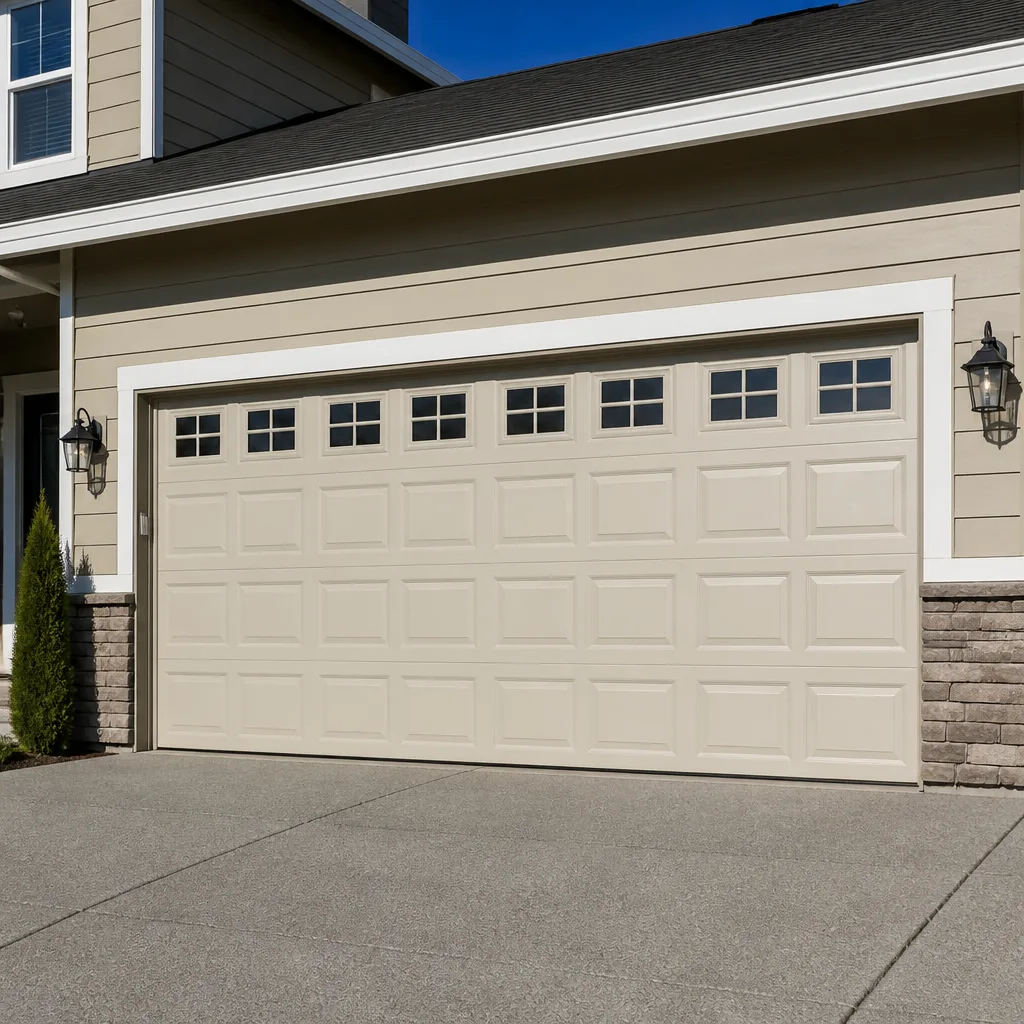 Raised-panel steel
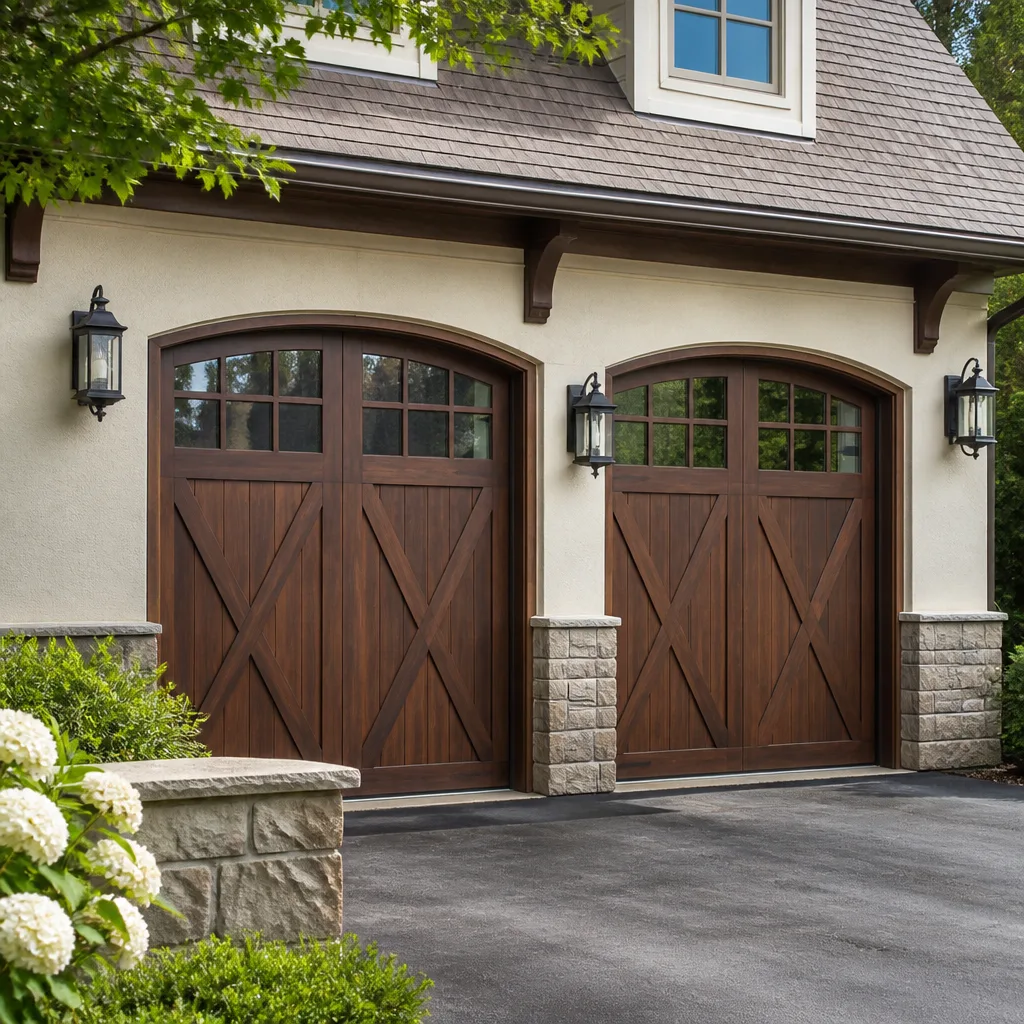 Carriage house
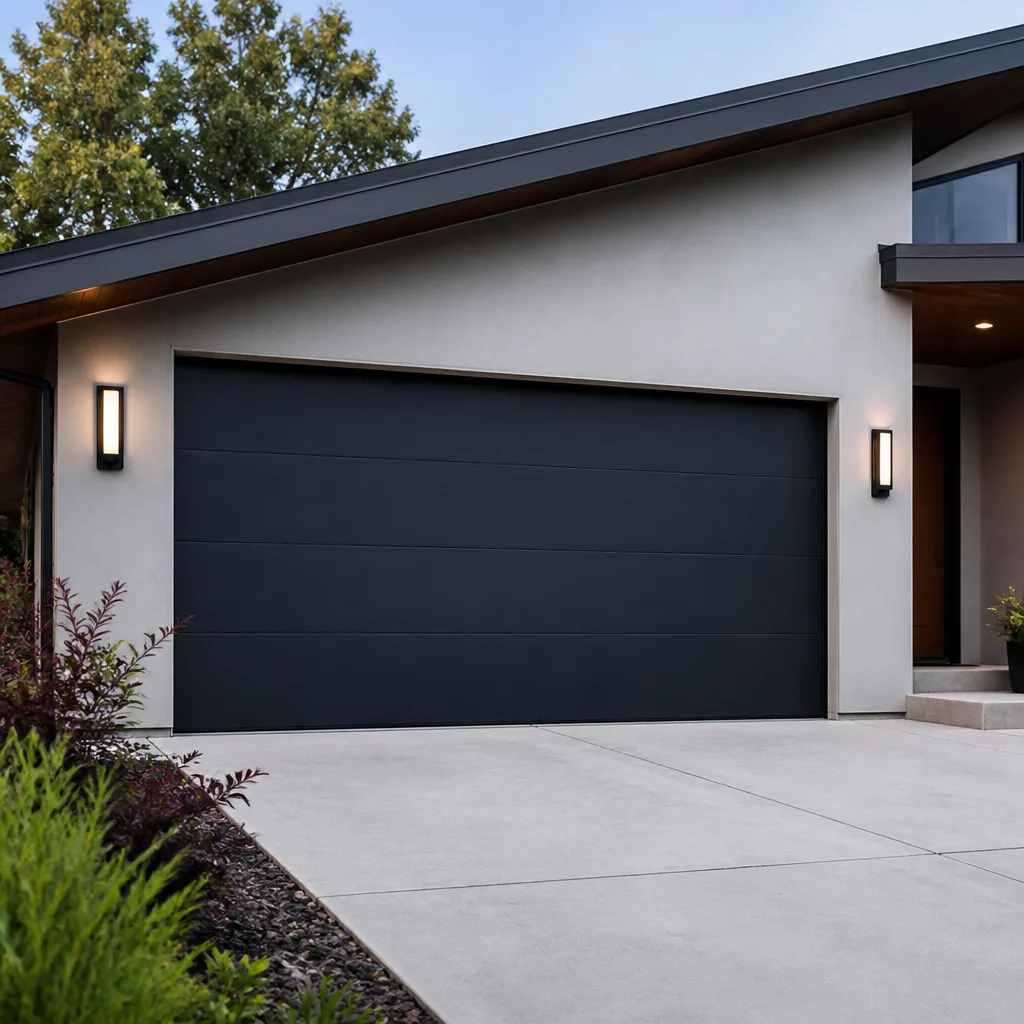 Modern flush
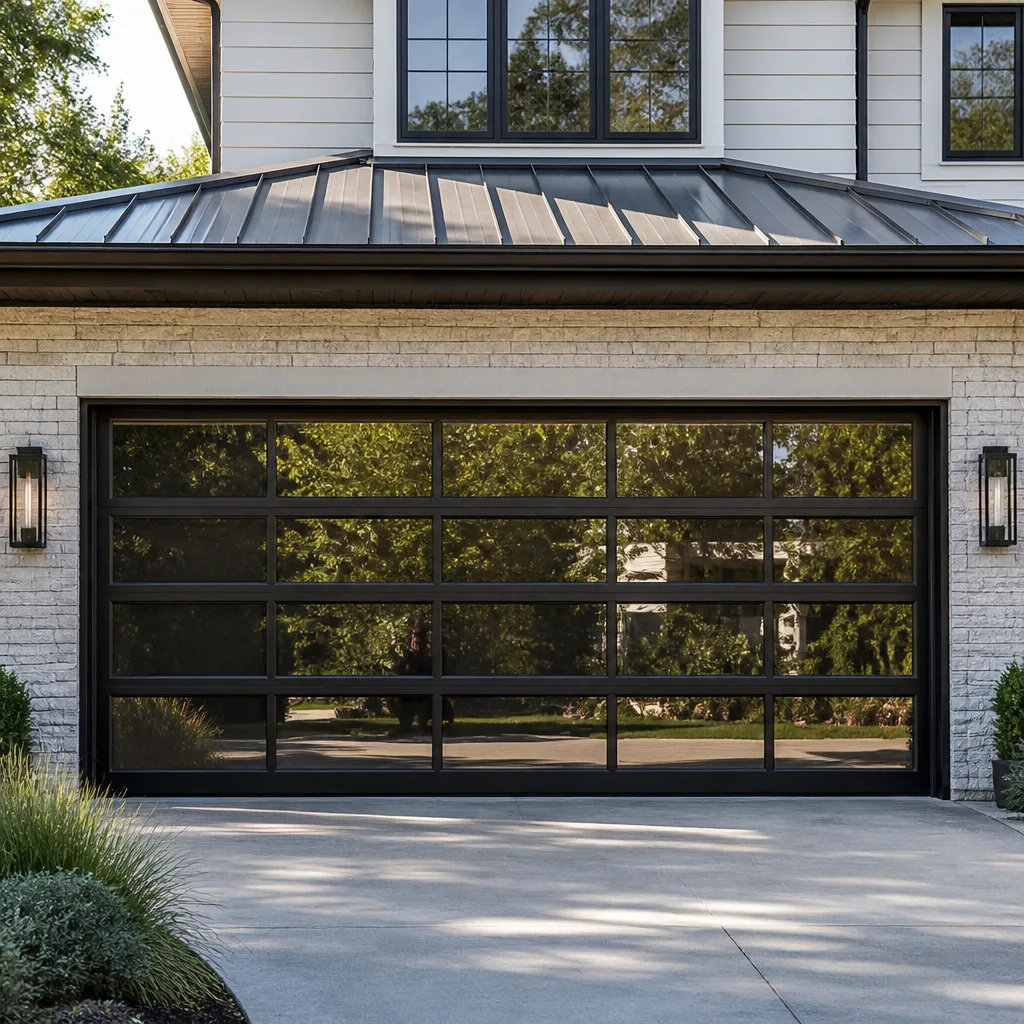 Full-view glass
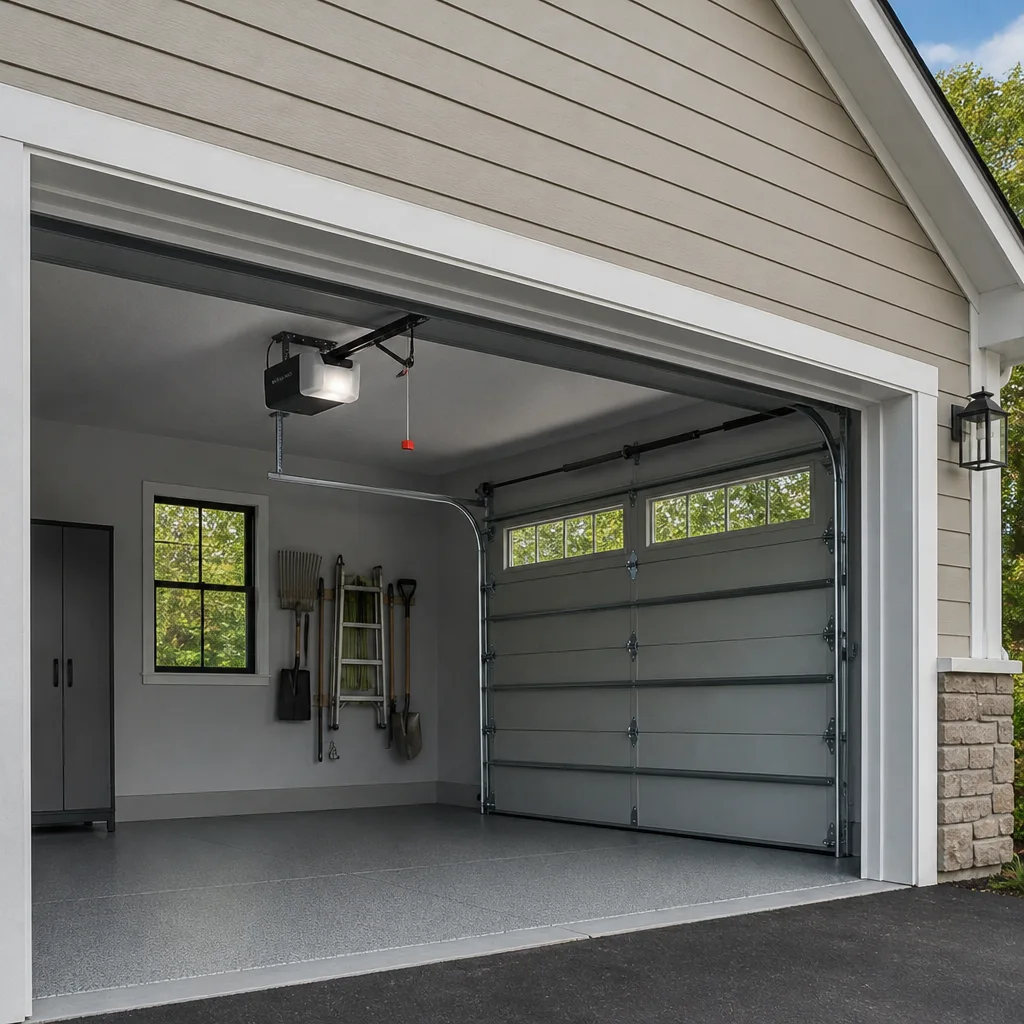 LiftMaster openers
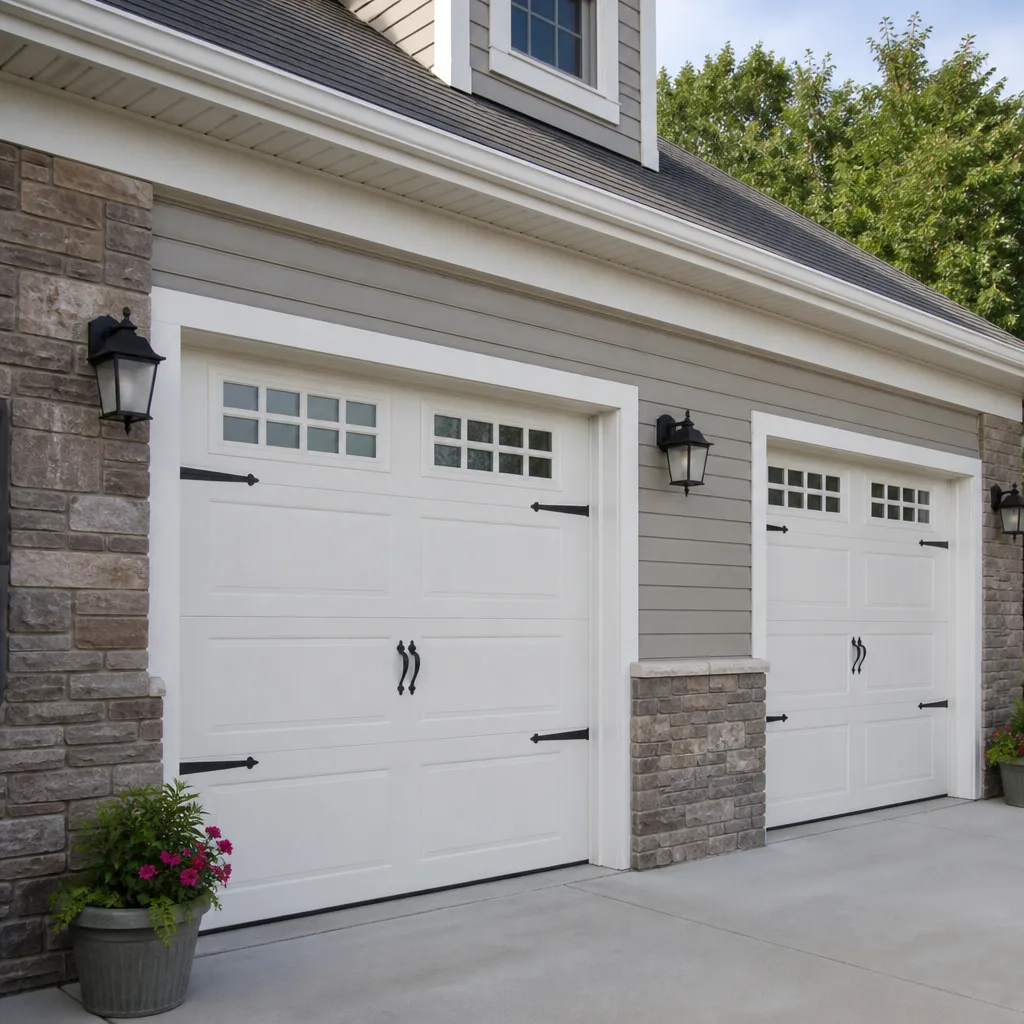 Chamberlain openers
Full 25-point door and opener safety check with every visit - springs, cables, rollers, tracks, and your LiftMaster or Chamberlain opener included
You get a price before we start. It does not change when the truck arrives.
Get your free estimateThe Complete Garage Door Repair Guide for West Hollywood Homeowners
Most garage door guides are written for the midwest, where doors face snow, ice, and road salt. West Hollywood homeowners are dealing with salt-laden marine air that corrodes torsion springs 30 to 40 percent faster than inland cities, and almost no one is telling them that. This guide will explain how the coastal climate, seismic activity, and West Hollywood’s mix of older bungalows and modern condos shape the way garage doors fail here, what repairs typically cost, which fixes you can handle yourself, and when the smarter move is a professional diagnosis.
Styles & brands we work with
Quick Answer
Garage door repair in West Hollywood usually costs between $120 and $380 depending on the component, with torsion spring replacement averaging $220 to $340. The most common local failures are corroded springs from marine-layer humidity, track misalignment after minor earthquakes, and worn opener gears in systems that are 10 to 15 years old. Most repairs are completed the same day, and a full door replacement is rarely the only option when the existing system is still structurally sound.
Table of Contents
- Why West Hollywood’s Climate Wears Out Garage Doors Faster
- Earthquake Effects: How Seismic Shifts Throw Tracks Out of Alignment
- HOA and City of West Hollywood Rules for Garage Door Work
- Brand-Specific Repair Quirks for Common West Hollywood Doors
- Repair vs. Replace: A Decision Framework for Door Age and Corrosion
- What Garage Door Repairs Cost in West Hollywood
- What You Can Safely Check Yourself (and What You Shouldn’t Touch)
- Common Mistakes to Avoid
- When to Call a Professional
- Frequently Asked Questions
- The Bottom Line
Why West Hollywood’s Climate Wears Out Garage Doors Faster
West Hollywood sits in a narrow band of coastal influence that extends inland from Santa Monica. The marine layer rolls in most evenings between May and August, blanketing neighborhoods like the Norma Triangle and the West Hollywood West area with cool, damp air that carries trace amounts of Pacific salt. This airborne salt and moisture settles on exposed metal, especially when garage doors are left partially open or when the door sits in a shaded carport that never fully dries out.
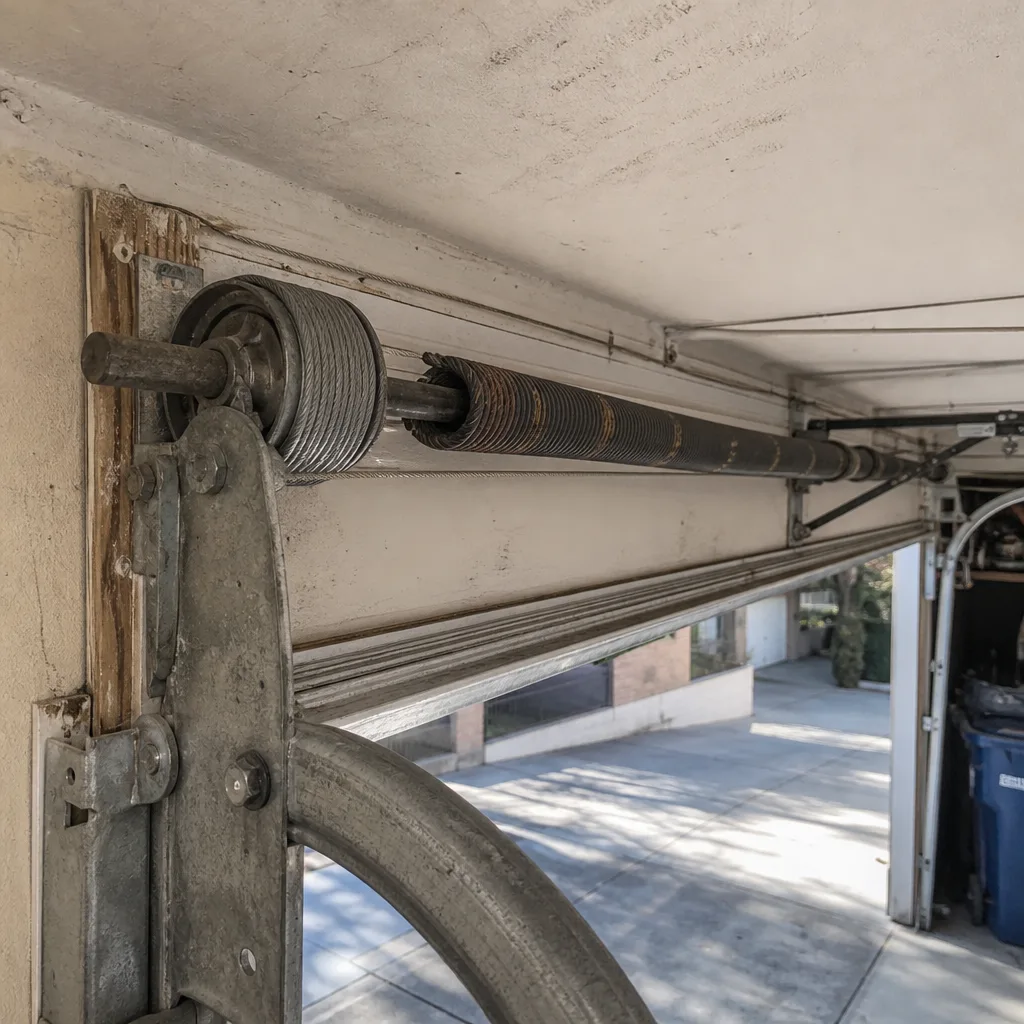
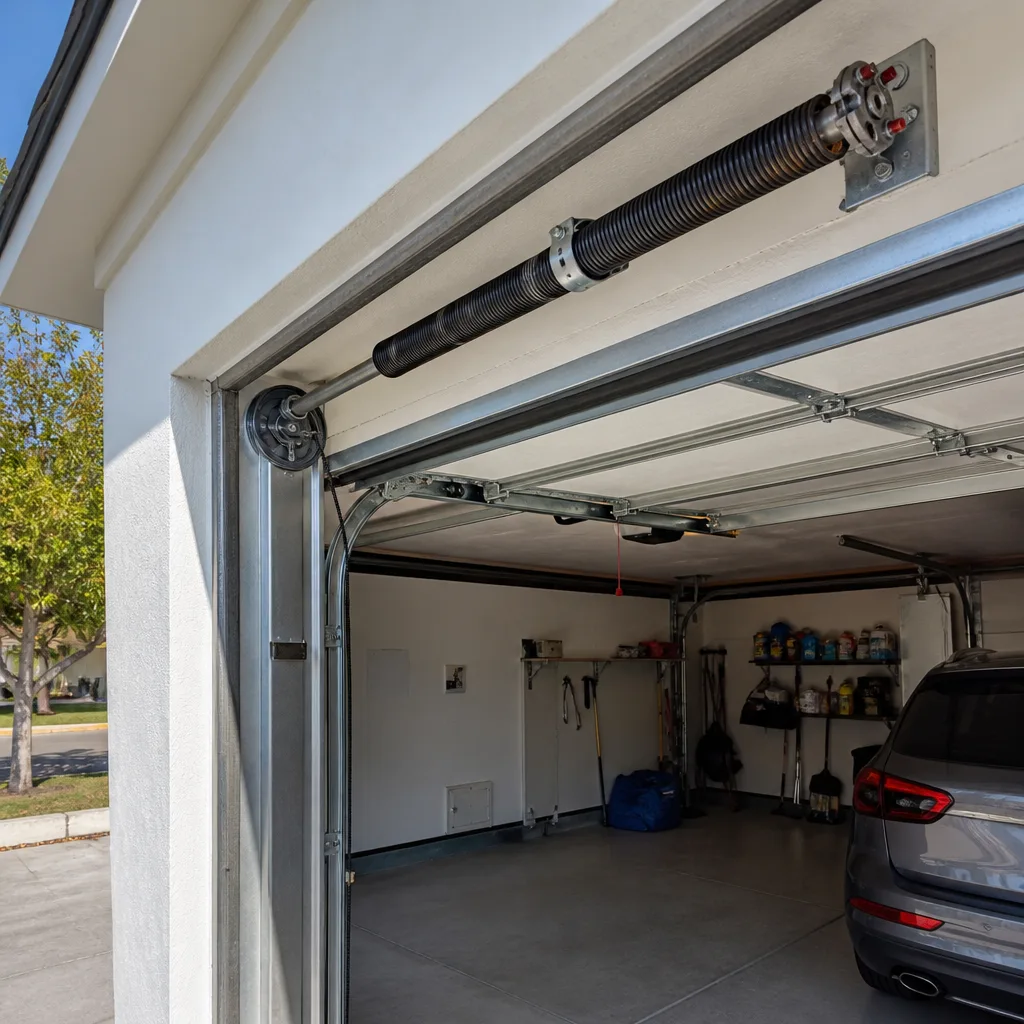
Torsion springs are the component that suffers most. A typical spring on a single-car door is rated for 10,000 cycles, which translates to roughly 7 to 10 years of daily use. But in West Hollywood’s microclimate, we regularly see springs snap at the 5 to 7 year mark. The corrosion works its way into the spring coils, creating pitting and micro-fractures that eventually fail under tension. Homeowners who live within two miles of the ocean should plan to have their springs inspected every two years, even if nothing looks wrong from the outside.
The hardware tells the same story. Rollers, hinges, and track brackets accumulate a fine layer of oxidation that you won’t notice until the door starts grinding or sticking. Cable assemblies can develop rust spots where the strands have worn thin. And wooden doors, common on West Hollywood’s 1920s and 1930s Spanish-style homes, absorb moisture from the marine layer and swell unevenly, throwing off the door’s balance and putting extra strain on the opener.
The practical takeaway is this: a garage door in West Hollywood that receives no preventive maintenance will typically need its first meaningful repair two to three years sooner than the same door in Pasadena or Burbank. An annual look at the springs, cables, and rollers, plus a light application of lubricant to moving parts, is the single most effective way to extend the life of the system.
Earthquake Effects: How Seismic Shifts Throw Tracks Out of Alignment
West Hollywood is bisected by the Santa Monica Fault zone and sits within shaking distance of the Hollywood Fault and the Newport-Inglewood Fault. Even a 3.5 magnitude tremor centered nearby is enough to move a garage door track a quarter-inch out of true, and a 4.0 or larger can visibly bend brackets or shift the entire door frame. What makes this particularly relevant to West Hollywood homeowners is the age of the housing stock: many of the city’s single-family homes and duplexes were built before modern seismic bracing standards, which means the garage structure itself can move slightly during a quake even when the door hardware stays fixed.
The signs to watch for after any tremor are specific and easy to check. Run the door up and down once by hand, using the red emergency release cord to disconnect the opener. Listen for new grinding or scraping sounds. Look at the gap between the door and the track on both sides; if the gap is wider at the top than the bottom, or if the door hesitates at the same point in both directions, the track has likely shifted. Rollers that sit at an angle inside the track are another tell.
Minor track misalignment is often repairable without replacing the door or the track. The fix involves loosening the track brackets, realigning them against a level, and re-tightening. But there’s a catch: garage door tracks are under spring tension, and the bottom roller brackets carry significant weight. A track that has pulled away from the wall should never be forced back into position by hand. The springs need to be tensioned down first, and that’s work for a trained technician.
After any earthquake that’s strong enough to knock items off shelves, it’s worth scheduling an Garage Door Repair in West Hollywood inspection within a week or two. Seismic shifts can leave hairline damage in spring coils and cable strands that isn’t visible from the ground and won’t cause a problem until the part fails suddenly, often while the door is in motion.
HOA and City of West Hollywood Rules for Garage Door Work
West Hollywood’s building code is administered by the City of West Hollywood’s Building and Safety Division, and the permitting rules for garage doors matter more here than in cities with newer housing stock. The city treats garage door work differently depending on the scope: repairs that involve replacing springs, cables, rollers, or the opener itself generally do not require a permit, because the work is considered maintenance of an existing system. However, changing the door’s physical dimensions or altering the header structure that supports the door triggers the city’s permit requirement.
This distinction matters because many West Hollywood homes have non-standard door openings. A 1950s bungalow in the West Hollywood West neighborhood might have a 7-foot-tall door with a narrow side clearance, while a newer condo building near Santa Monica Boulevard might have a standard 8-foot opening with stricter fire-rating requirements for the door material. Swap a door into an opening that requires structural modification, and the city will want a permit and an inspection.
HOAs add another layer. Most condo associations in West Hollywood, including the larger developments along Doheny Drive and the mid-century buildings near Plummer Park, require architectural review for any visible change to the garage door. That includes changing the door’s color, material, or window configuration. A repair that uses identical parts to what’s already there is almost always fine, but a full Garage Door Installation in West Hollywood on an HOA-governed property should be approved in writing before the work is scheduled.
The practical rule of thumb: if the repair doesn’t change the door’s appearance, dimensions, or function, you probably don’t need permission. If it changes what the neighbors see from the street, plan for a conversation with the HOA and possibly the city.
Brand-Specific Repair Quirks for Common West Hollywood Doors
West Hollywood’s housing stock spans nearly a century, which means the garage doors in service today represent three distinct eras of manufacturing. Each era has its own failure patterns, and knowing the brand on your door helps predict what will go wrong next.
Wayne Dalton doors are common on the mid-century apartment buildings and smaller condo complexes scattered through West Hollywood. Their most distinctive feature is the TorqueMaster spring system, which encloses the spring inside a tube rather than exposing it on a shaft above the door. The TorqueMaster design is safer for homeowners but harder to service, since the spring can’t be visually inspected for corrosion. We recommend Wayne Dalton owners near the coast have their spring tension tested every two years, because marine-layer rust can eat through the internal components without any outward sign.
Craftsman openers are the most common motor unit on older single-family homes in West Hollywood, particularly the 1990s-era models that are now 25 to 30 years old. The weak point on these units is the drive gear, a plastic component that wears down over time and eventually strips, leaving the motor running with no movement from the chain. A stripped drive gear sounds like a loud grinding noise from the opener, and the fix is a gear replacement, not a full opener replacement, which is a fraction of the cost. We work on Craftsman units routinely and carry the common replacement parts for that generation of opener.
Raynor doors appear frequently on the newer custom homes in the hills above Sunset Boulevard, where architects specified them for their insulation ratings and clean aesthetics. Raynor’s steel sandwich construction resists the marine layer well, but the weatherstripping along the bottom edge is the usual failure point. Once that rubber seal cracks, the gap lets in moist air and debris, accelerating corrosion on the interior hardware. A $20 weatherseal replacement is often all that’s needed.
The point is that repair strategy depends on the specific system, not just the symptom. A technician who knows the brand’s quirks can diagnose in minutes what a generic repair shop might take an hour to find, and a brand-agnostic shop can service whatever is already installed rather than pushing a replacement door.
Repair vs. Replace: A Decision Framework for Door Age and Corrosion
Every West Hollywood homeowner faces this decision eventually, and the right answer depends on three factors that generic guidebooks don’t address: door age, corrosion level, and parts availability for the installed system.
Start with the door’s age. A steel or aluminum door manufactured in the last 15 years is almost always worth repairing, even if the work runs several hundred dollars. These doors have decades of service life left, and replacing them early wastes money. Doors from the 1980s or earlier are a different story: their panel material has likely degraded, insulation is poor or absent, and the hardware may be out of production. A 40-year-old wooden door on a 1920s Spanish bungalow can be charming, but warped panels from decades of marine-layer absorption are not economically repairable.
Corrosion level is the second factor. If the springs show surface rust but the coils are intact and the door balances properly, repair is clearly the right call. If the bottom panels are rusted through, the track is pitted, and the cables show frayed strands, you’re looking at a repair bill that could approach or exceed the cost of a new basic door. The line is usually clear once the door is physically inspected.
The third factor is parts availability. Some door hardware from the 1990s and early 2000s, particularly for brands that have changed ownership or discontinued product lines, is no longer manufactured. If a proprietary hinge or cable drum has failed and the part can’t be sourced, the repair path narrows. Gold Star’s cross-brand experience matters here: we work on systems from LiftMaster, Chamberlain, Genie, Clopay, Amarr, Wayne Dalton, Craftsman, and Raynor, which means we know which parts are still available and which door systems have aged into replacement territory.
A practical framework for the decision:
- If the door is under 15 years old and the panels are sound, repair. The cost will almost never justify replacement.
- If the door is 15 to 30 years old, evaluate the panels, the hardware, and the availability of parts before deciding. A written estimate from a technician who has inspected the door is the only way to make this call honestly.
- If the door is over 30 years old and showing significant corrosion or panel warping, replacement is usually the better long-term investment. A new door will also bring insulation and safety improvements that older doors lack.
- If the door is in an HOA-governed property, factor in the approval timeline for any replacement, which can add two to four weeks in West Hollywood’s condo buildings.
The repair-first philosophy is simple: if the existing system can be brought back to safe, reliable operation for less than half the cost of replacement within the next three to five years, repair wins. We’d rather fix what you have than sell you something you don’t need.
What Garage Door Repairs Cost in West Hollywood
Pricing for garage door repair in West Hollywood runs slightly above the Los Angeles County average, driven by higher labor costs, the need to stock corrosion-resistant parts, and the service density of the city. These are the price ranges you should expect to see on a written estimate:
- Torsion spring replacement (single spring): $180 to $280, including the spring and labor.
- Torsion spring replacement (double spring system): $260 to $380.
- Cable replacement (pair): $120 to $180.
- Roller replacement (all rollers, nylon upgrade): $120 to $220.
- Track realignment (no parts needed): $90 to $140.
- Weatherseal replacement (bottom and sides): $90 to $150.
- Opener drive gear replacement: $150 to $240, depending on make.
- Full opener replacement (labor only, if opener is supplied): $200 to $350.
Two things to remember about pricing in West Hollywood. First, any quote you receive should be itemized and agreed to before work starts. Second, a repair that’s quoted before the technician arrives is a guess, not a quote. The honest approach is a free on-site evaluation, a written price, and your approval before anything gets touched.
What You Can Safely Check Yourself (and What You Shouldn’t Touch)
There’s a meaningful difference between the maintenance a West Hollywood homeowner can safely perform and the repairs that require trained hands. Knowing that line will save you money without putting you in danger.
These checks and maintenance tasks are safe for most homeowners:
- Monthly visual inspection: Look at the springs, cables, and rollers for visible rust, fraying, or misalignment. If you see red-brown powder on the spring coils, that’s active corrosion and it’s worth scheduling an inspection.
- Balance test: Pull the red emergency release cord with the door closed, then lift the door by hand. It should move smoothly and stay in place at the halfway point. If it’s heavy, the springs are losing tension.
- Photo-eye test: With the door open, wave an object in front of the safety sensors near the floor while pressing the close button. The door should stop and reverse immediately.
- Lubrication: Apply a garage-specific lubricant (not WD-40) to the rollers, hinges, and bearings every six months.
Do not attempt these under any circumstances. Garage door torsion springs are under extreme tension, and a spring or cable that releases unexpectedly can cause serious injury or death. Leave these to a technician:
- Spring replacement or adjustment: This is the single most dangerous repair in residential construction. The winding process requires specific tools and training.
- Cable replacement: Cables are attached to the springs and retain that same dangerous tension.
- Track removal or major realignment: Tracks are anchored to framing that supports the springs and door weight. Removing them without proper bracing is a structural risk.
- Any repair involving the bottom roller brackets: The bottom brackets carry the full weight of the door plus spring tension.
The rule is simple: if the component is connected to a spring, it’s professional work. If it’s a visual check, a balance test, or a lubrication pass, you can handle it. A trained technician can also help with Garage Door Opener Repair in West Hollywood, where the electrical and mechanical systems overlap and both need assessment.
Common Mistakes to Avoid
- Ignoring a slow door. A garage door that takes noticeably longer to open or close is usually a sign of spring fatigue. Waiting until it fails completely turns a $200 spring job into a door-off-track emergency.
- Using WD-40 on the rollers and springs. WD-40 is a solvent, not a lubricant. It will temporarily quiet noise but strip away the grease that protects against corrosion. In West Hollywood’s marine layer, that accelerates spring and roller failure.
- Skipping the annual inspection because the door “works fine.” Marine-layer corrosion builds invisibly inside spring coils and cable sheathing. By the time it’s visible, the component is often close to failure.
- Adjusting the springs without training. This is the mistake that sends people to the emergency room. Garage door springs hold enough tension to break bones and cause fatal injuries. There is no safe DIY version of spring work.
- Replacing a door to fix an opener problem. If the motor hums, the remote doesn’t work, or the door reverses for no reason, the problem is in the opener, not the door. Replacing the door won’t fix it.
- Assuming HOA rules don’t apply to repairs. Even a simple spring replacement on a condo garage may require notifying the HOA, and any visible change to the door face will require approval. Check first.
- Paying for a quote over the phone before anyone has seen the door. A phone estimate is a rough guide at best. The only honest price is one written after an on-site inspection.
When to Call a Professional
Call a professional if the door won’t open or close, if you hear a loud snap from the garage, if the springs show visible rust or gaps between coils, if the door is off its track, if the opener makes grinding noise or runs without moving the door, or if the door reverses unexpectedly. These are all symptoms of wear or sudden failure that need a trained diagnosis, not a YouTube tutorial.
Gold Star Garage Door Service offers free estimates across West Hollywood and the surrounding area. Call (866) 810-8325 to schedule an inspection, and our technician will diagnose the problem, give you a written price before any work begins, and explain your repair options in plain English. We work on what you already have, not what we’d like to sell you.
Frequently Asked Questions
Garage Door Repair services like spring replacement in West Hollywood typically cost between $180 and $340 depending on whether the door uses a single or double spring system and the spring’s weight rating. Coastal corrosion may require replacing both springs even when only one has snapped, since the second is usually in similar condition. Call (866) 810-8325 for an exact quote after our technician inspects your door; estimates are free.
Most spring, cable, and roller repairs are completed the same day, since our service vehicles carry common parts for LiftMaster, Chamberlain, Genie, Clopay, Amarr, Wayne Dalton, Craftsman, and Raynor systems. Complex track realignments or parts that need to be ordered for older doors may take longer. Call (866) 810-8325 to check our current availability.
No. Once our technician has inspected your door and given you a written price, that price is locked. We quote and agree on the full cost before any work starts, which means no surprises on the invoice.
Our DIY vs Professional Garage Door: The West Hollywood Homeowner’s Decision Guide explains that repairs replacing springs, cables, rollers, openers, or other hardware without changing the door’s size, material, or appearance do not require a permit from the City of West Hollywood. Any structural change to the door opening, or any visible door change in an HOA community, may require approval. Check with your HOA first if you’re not sure.
Every two years is the right interval for West Hollywood’s marine-layer climate, as detailed in The Complete Guide to Garage Door in West Hollywood. The salt air accelerates spring corrosion and hardware wear, and an inspection catches pitting and fatigue before a spring snaps. If you live within two miles of the coast, annual inspections are even more valuable.
Usually, yes. Many opener problems are caused by a single failed component, like a stripped drive gear on an older Craftsman unit or a failed capacitor on a newer LiftMaster. We diagnose the opener separately from the door and only recommend replacement when the unit’s motor or logic board has failed. That’s the heart of our Garage Door Opener Repair in West Hollywood service.
We serve all of West Hollywood, including the Norma Triangle, West Hollywood West, the Design District, and the hillside neighborhoods north of Sunset Boulevard, along with surrounding areas. If you’re in the city, we can get there.
The Bottom Line
Garage doors in West Hollywood fail differently than garage doors almost anywhere else. The marine layer accelerates spring corrosion, seismic activity knocks tracks out of alignment, and the mix of century-old bungalows and modern condos means almost no two doors are alike. The smartest approach is an inspection every two years, immediate attention to any new noise or hesitation, and a repair-first philosophy that keeps your existing system running for as long as it’s economically sensible. Gold Star Garage Door Service home is built around that philosophy. Our technicians service eight major brands, provide written quotes before any work starts, and offer free estimates across West Hollywood. Call (866) 810-8325 when your door needs attention, and we’ll tell you honestly what needs fixing, what can wait, and what it will cost.
Written by the team at Gold Star Garage Door Service, serving West Hollywood since 2018. For more guides & resources, visit our blog.
See the difference
 Before
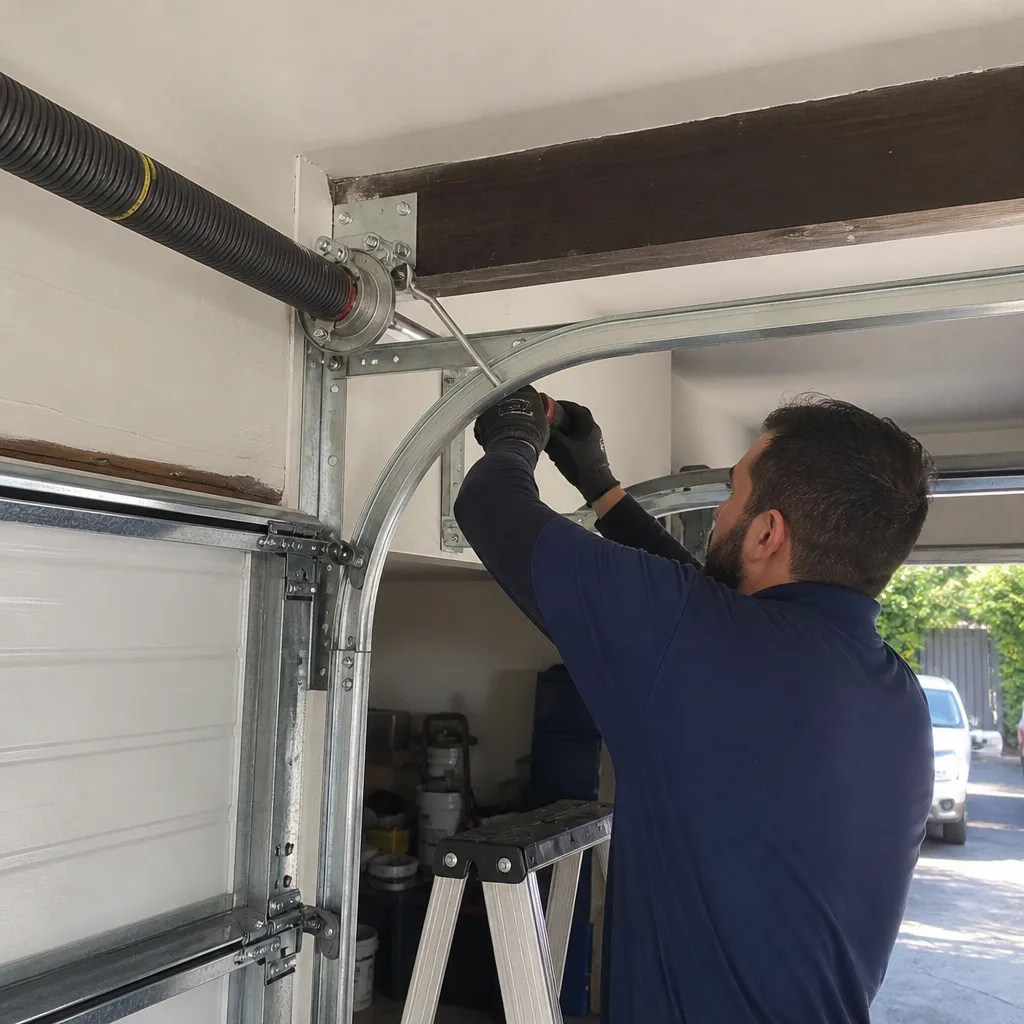 After
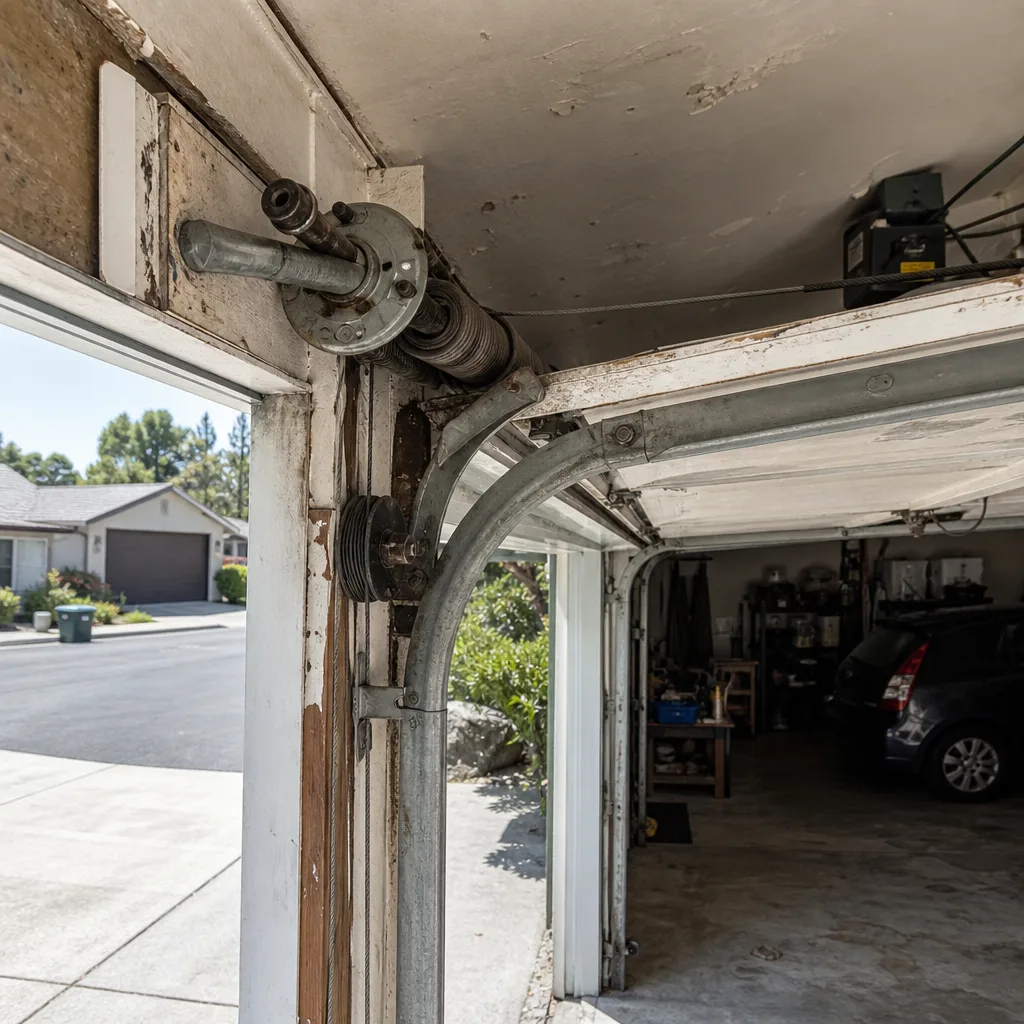 Before
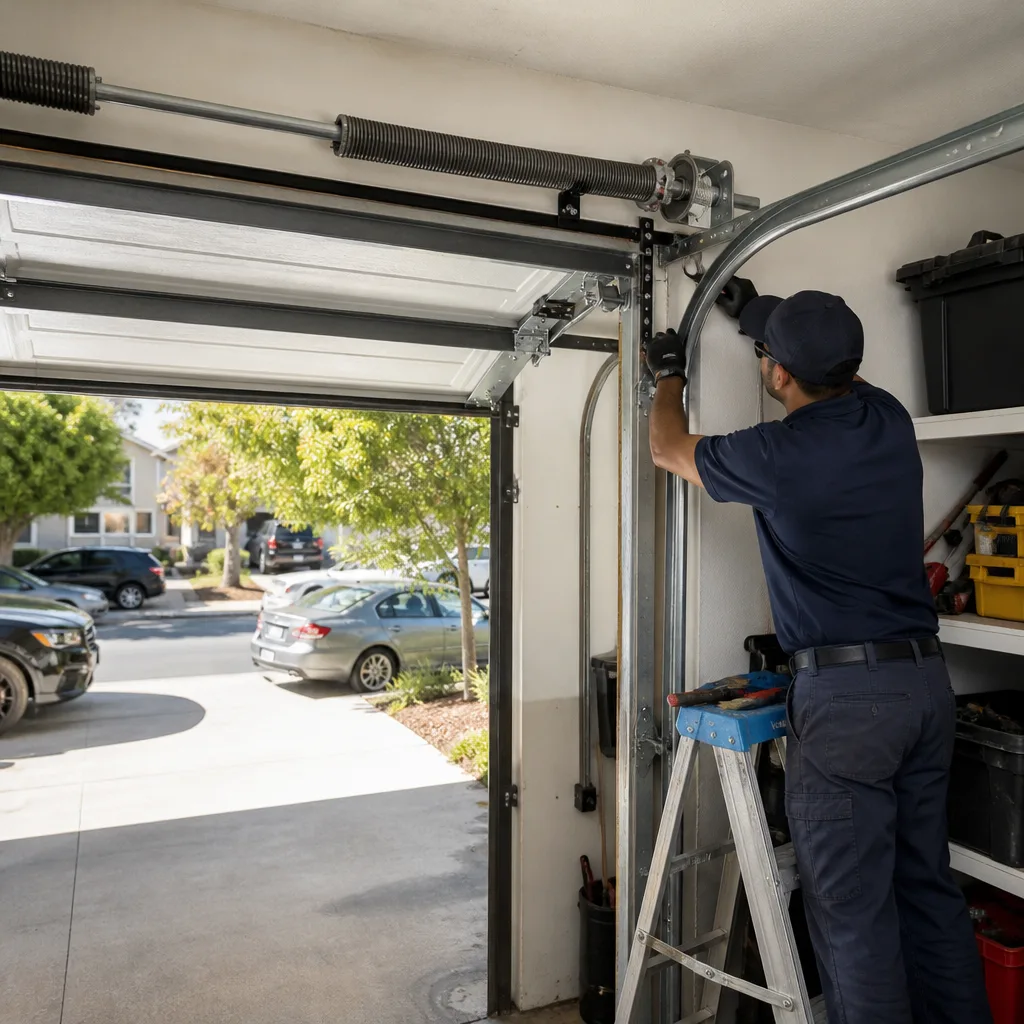 After
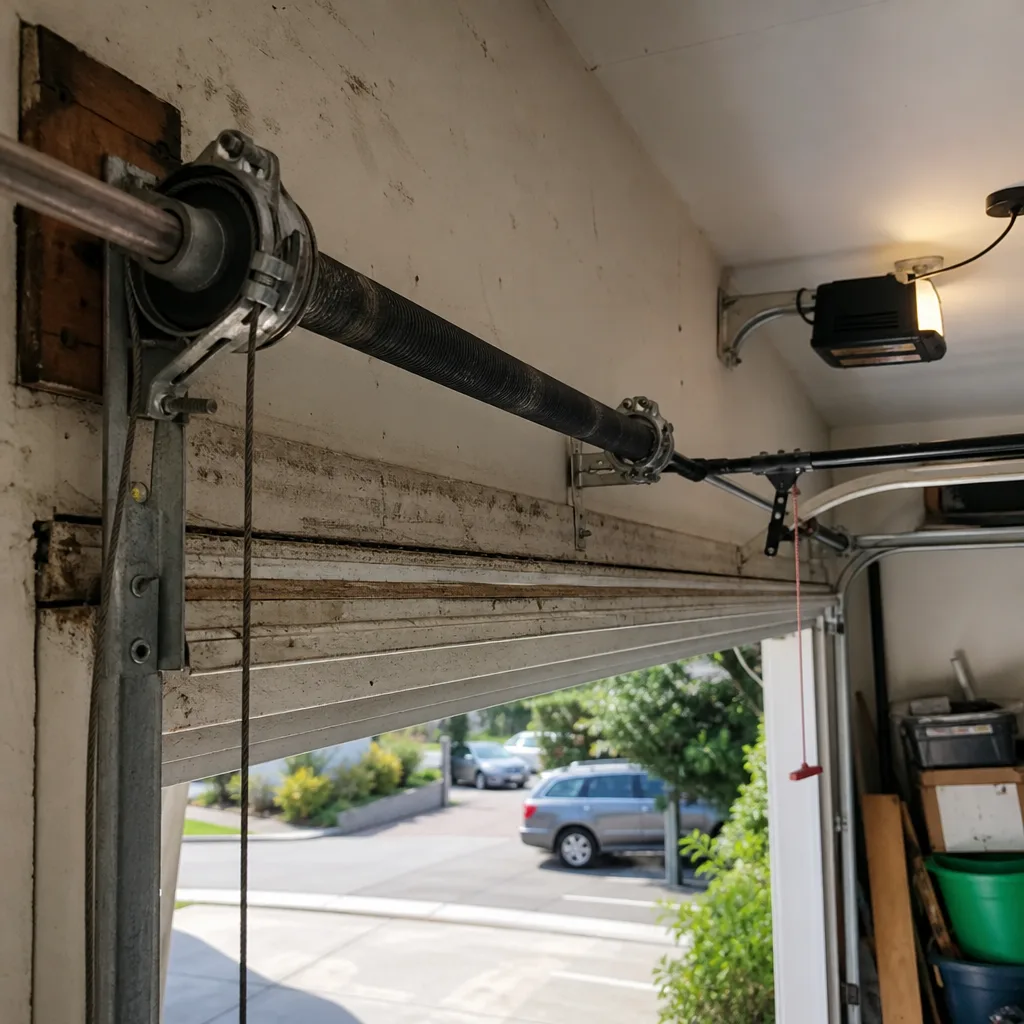 Before
 After