Last updated October 31, 2026
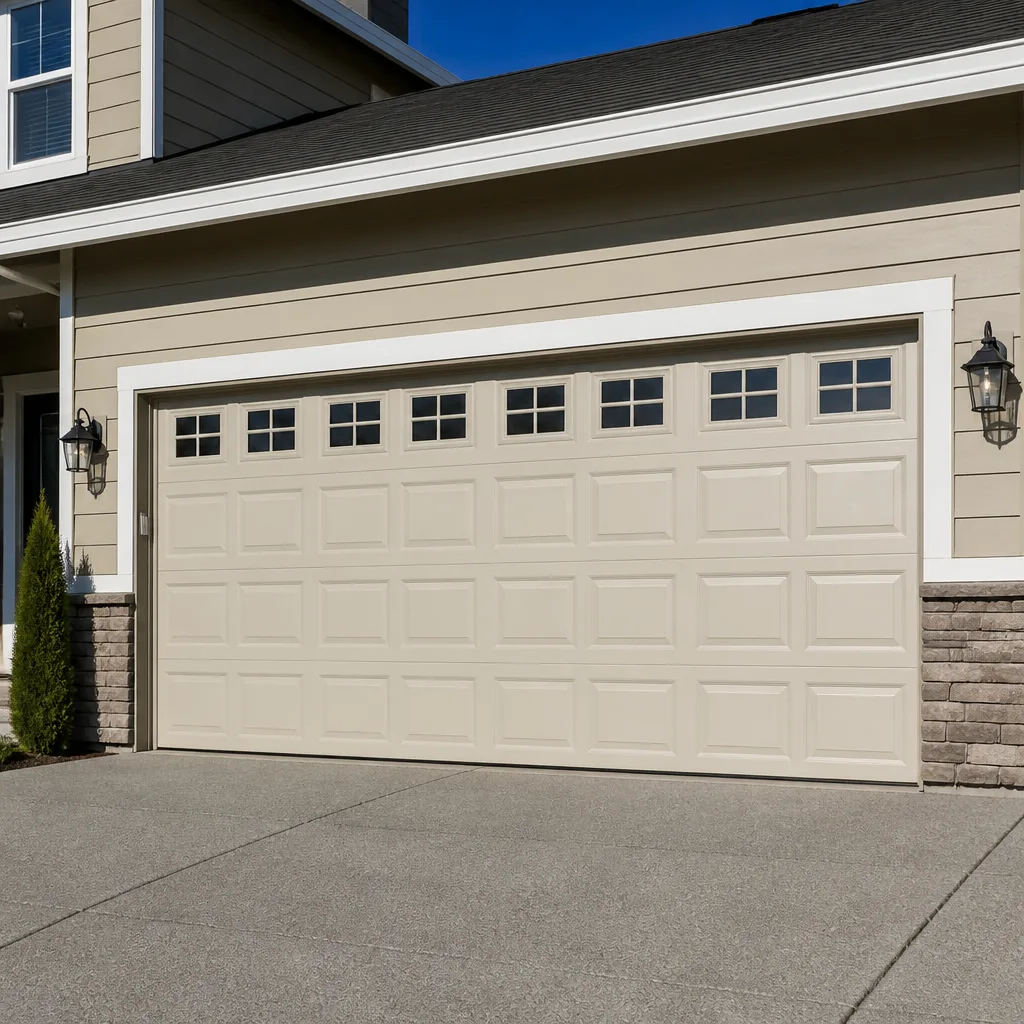 Raised-panel steel
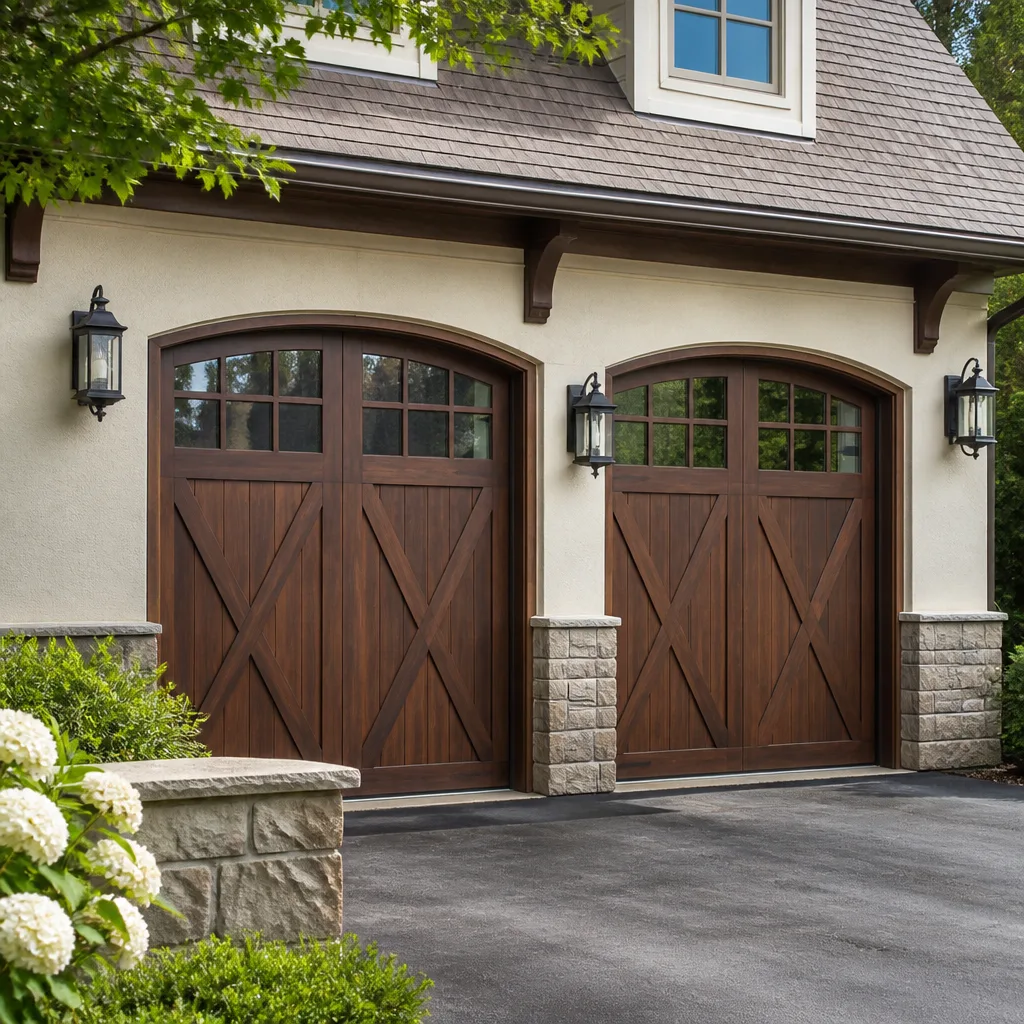 Carriage house
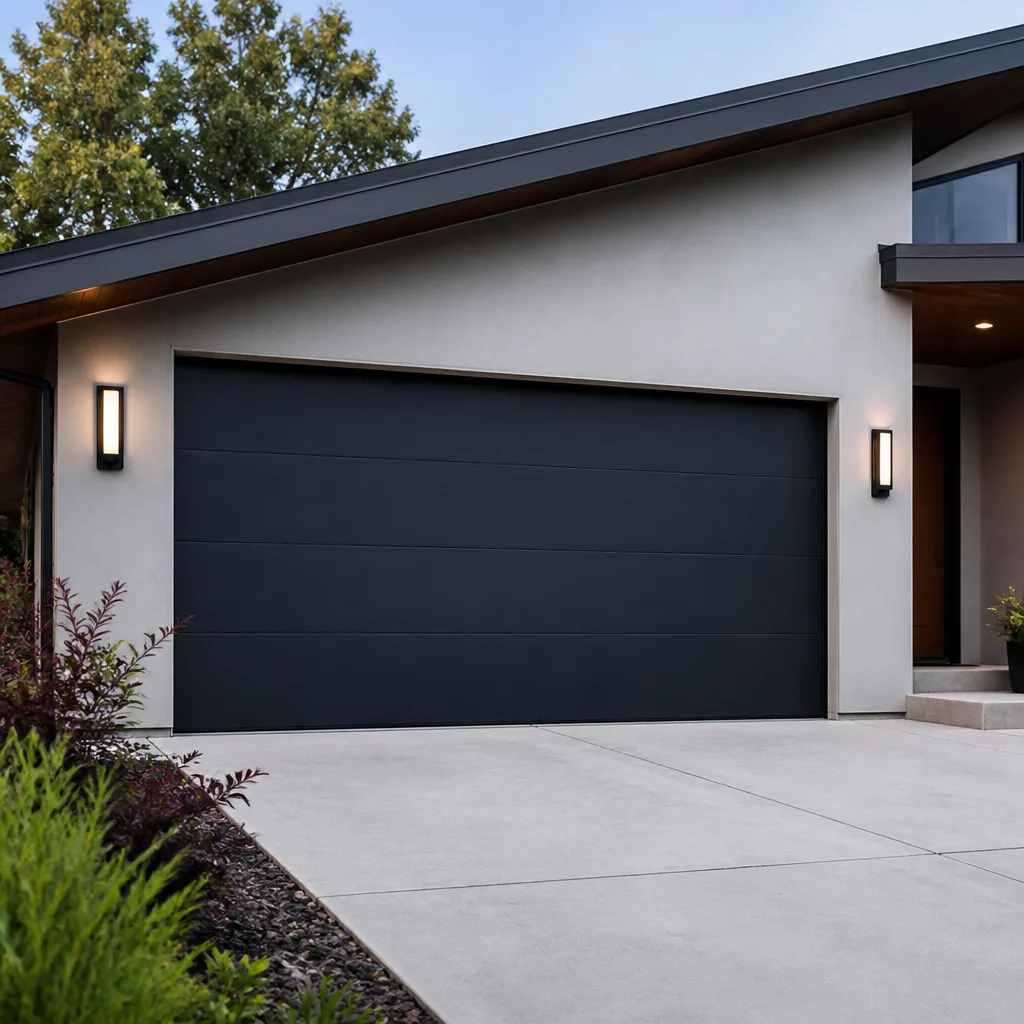 Modern flush
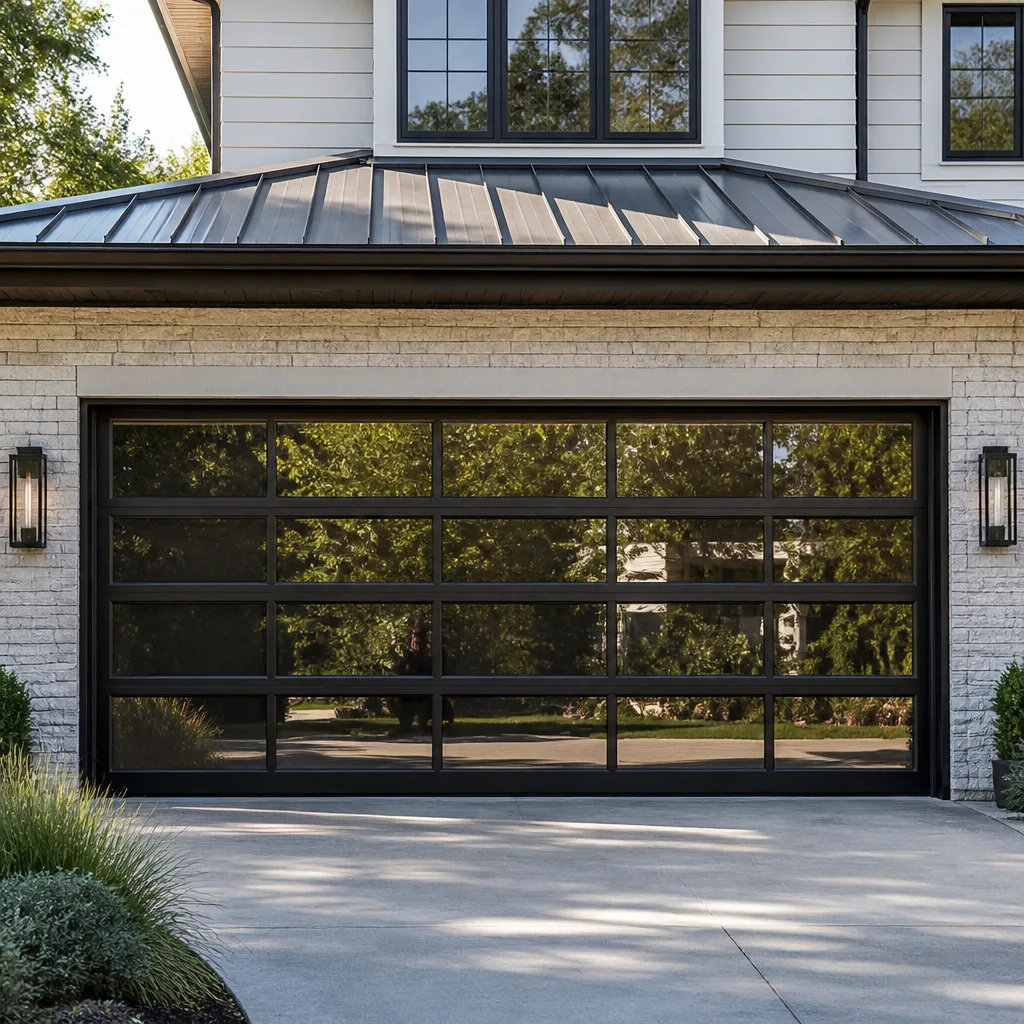 Full-view glass
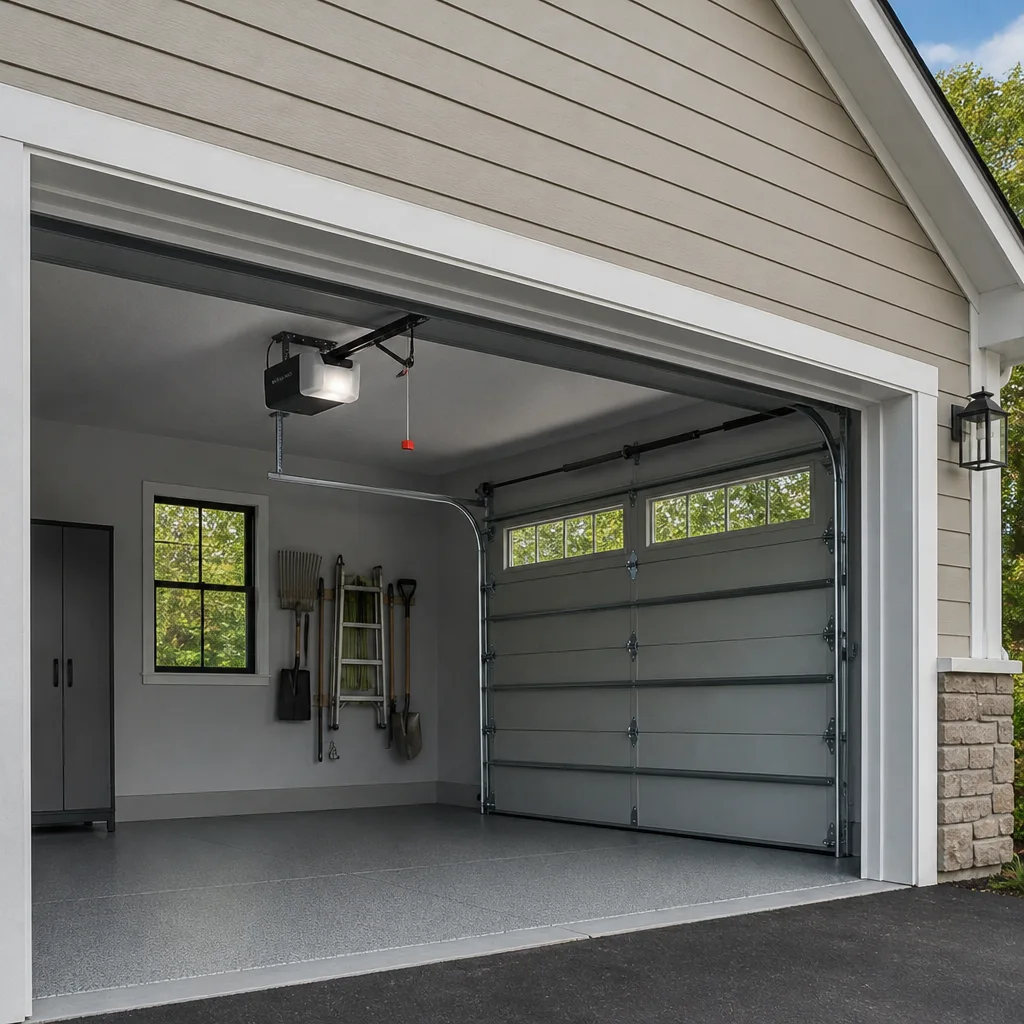 LiftMaster openers
 Chamberlain openers
Full 25-point door and opener safety check with every visit - springs, cables, rollers, tracks, and your LiftMaster or Chamberlain opener included
You get a price before we start. It does not change when the truck arrives.
Get your free estimateDIY vs Professional Garage Door: The West Hollywood Homeowner’s Decision Guide
A garage door spring stores enough energy when wound to cause a serious injury or fatality if it releases uncontrolled. That’s not a liability disclaimer. It’s a physics fact. The honest answer to “can I DIY this?” depends entirely on which task you’re asking about, not on a blanket yes or no. In West Hollywood, where homes range from 1920s Spanish duplexes off Santa Monica Boulevard to newer hillside builds with heavy custom doors, the decision gets even more specific. This guide draws the line clearly: what’s safe to handle yourself, what isn’t, and where the middle path actually saves you money. For Garage Door Cost Breakdown: The West Hollywood Homeowner’s Reference for 2026, see our dedicated breakdown.
Styles & brands we work with
Quick Answer
In West Hollywood, garage door tasks fall into three buckets: lubrication, sensor alignment, and weather seal replacement are reasonable DIY projects if you have basic tools and patience. Spring replacement, cable work, and track realignment are not, because failure modes include serious injury and structural door failure. The middle path many homeowners miss is buying your own parts and hiring labor only, which keeps the dangerous work professional while trimming 20 – 35% off total cost.
Table of Contents
- The Honest Failure Mode Framework
- Tasks You Can Do Yourself: The Reasonable DIY List
- Tasks That Require a Pro: The Non-Negotiable List
- The California Liability Context
- The Middle Path: Buying Parts, Hiring Labor
- Tool and Knowledge Requirements for DIY Work
- When Your Quick Fix Fails: Follow-Up Inspection Signs
- Common Mistakes to Avoid
- When to Call a Professional
- Frequently Asked Questions
- The Bottom Line
The Honest Failure Mode Framework
Most online guides get the DIY vs. professional garage door debate wrong in one of two directions. Either they overstate DIY risk to steer you toward a service call, or they understate spring danger to get YouTube views. Both are failures of honesty. What actually matters is failure mode: when something goes wrong on a task you did yourself, what does the aftermath look like?
Here’s the framework we use with homeowners in West Hollywood, and it’s the same lens we use when deciding whether to encourage or discourage a DIY approach:
Tolerable failure modes are annoying but recoverable. You lubricate the wrong part, the door still works but squeaks differently. You realign a sensor and it doesn’t fix the problem, the door still opens manually. You replace a weather seal incorrectly and the garage gets a little draftier. You redo the task or call someone. No harm done.
Catastrophic failure modes are not recoverable without potentially life-altering consequences. A torsion spring under 140 pounds of torque releases into your face. A cable snaps while the door is halfway up and the full weight drops. A track realignment fails and the door derails onto a car, or worse, a person. These aren’t “call a pro because it’s better.” These are “call a pro because the downside is permanent.”
This distinction, not skill level, is what separates reasonable DIY from reckless DIY. A homeowner with a mechanical engineering degree should not touch a torsion spring without the right winding bars and training. A first-time DIYer can absolutely replace a broken weather seal with a $15 part and 20 minutes. It’s about the task, not the person.
In West Hollywood specifically, the failure mode math shifts slightly. Many homes have compact garages or carports with limited clearance. A door that derails in a tight space is more likely to damage a vehicle. Hillside properties on streets like Kings Road or up in the Norma Triangle have garage doors that bear unusual load angles, and a door that drops unexpectedly can roll backward faster than on flat ground. The stakes are a little higher here, which means the line between tolerable and catastrophic failure modes should be drawn more conservatively.
Tasks You Can Do Yourself: The Reasonable DIY List
These are the tasks where a West Hollywood homeowner with basic mechanical confidence can genuinely handle the work, save a service fee, and be no worse off if something goes slightly wrong. We’ve coached enough neighbors through these to know which ones actually stick.
1. Lubrication
This is the highest-leverage DIY task for older West Hollywood homes, especially those near the coast where salt air drifts in and dries out metal parts faster. A door from the 1990s that hasn’t been lubricated in years will groan, stick, and put strain on the opener motor. You’re fixing all three with a $8 can of white lithium grease or silicone spray.
Steps:
- Close the door completely.
- Spray the hinges at each panel seam, both sides of the door.
- Spray the rollers, but only on the stem and bearing area, not the wheel surface that touches the track.
- Apply a thin coat to the torsion spring above the closed door.
- Wipe excess with a rag. You’re lubricating, not degreasing.
- Run the door through a full open-close cycle twice.
Failure mode: You use the wrong product (WD-40 is a degreaser, not a lubricant) or you over-apply and get drips on the floor. Annoying. Recoverable. The door works the same as before, which is the point.
2. Photo Eye Sensor Realignment
If the door reverses immediately after touching the floor, or refuses to close at all while the opener light blinks, the photo eyes near the floor on each side are the likely culprit. In West Hollywood’s tighter garages, a bike wheel or storage bin bumps these out of alignment constantly.
Steps:
- Check that both sensors are mounted at the same height, roughly 6 inches off the floor.
- Look at the small LED on each sensor. Green means aligned and receiving. Red or blinking means misaligned or blocked.
- Loosen the wing nut on the sensor bracket and adjust the angle until the green light appears.
- Tighten the bracket and test the door.
Failure mode: You align them, the door still misbehaves, and the actual problem was a wiring fault or a bad sensor. No injury. You’ve eliminated the most common cause and narrowed the diagnostic for whoever comes next.
3. Bottom Weather Seal Replacement
The rubber seal along the bottom of the door cracks and shrinks over time, especially with West Hollywood sun exposure on west-facing garage doors. Replacing it is one of the most straightforward DIY fixes there is. You buy the right seal profile for your door brand, which matters. Wayne Dalton doors use a different bottom retainer profile than Clopay or Amarr, and a mismatched seal will pull loose within months.
Steps:
- Note your door brand and measure the existing seal profile (T-style, bead-style, or U-shaped).
- Order the matching seal. A 16-foot door uses a single piece.
- Pull out the old seal. If it’s T-style, it slides sideways out of the retainer channel.
- Feed the new seal through the channel from one end. If it’s stiff, soak it in warm water for 10 minutes.
- Trim only after it’s fully inserted, leaving about 2 inches of overhang on each side.
Failure mode: You order the wrong profile and waste $20 and 45 minutes. No injury to anyone except your ego. This is the ideal DIY task.
Tasks That Require a Pro: The Non-Negotiable List
These tasks share a common thread: the failure mode is severe injury, death, or structural damage to the door system and anything in its path. We’re direct about this because underwarning is worse than overwarning. A real professional flags danger. Here’s what to avoid.
Torsion Spring Replacement
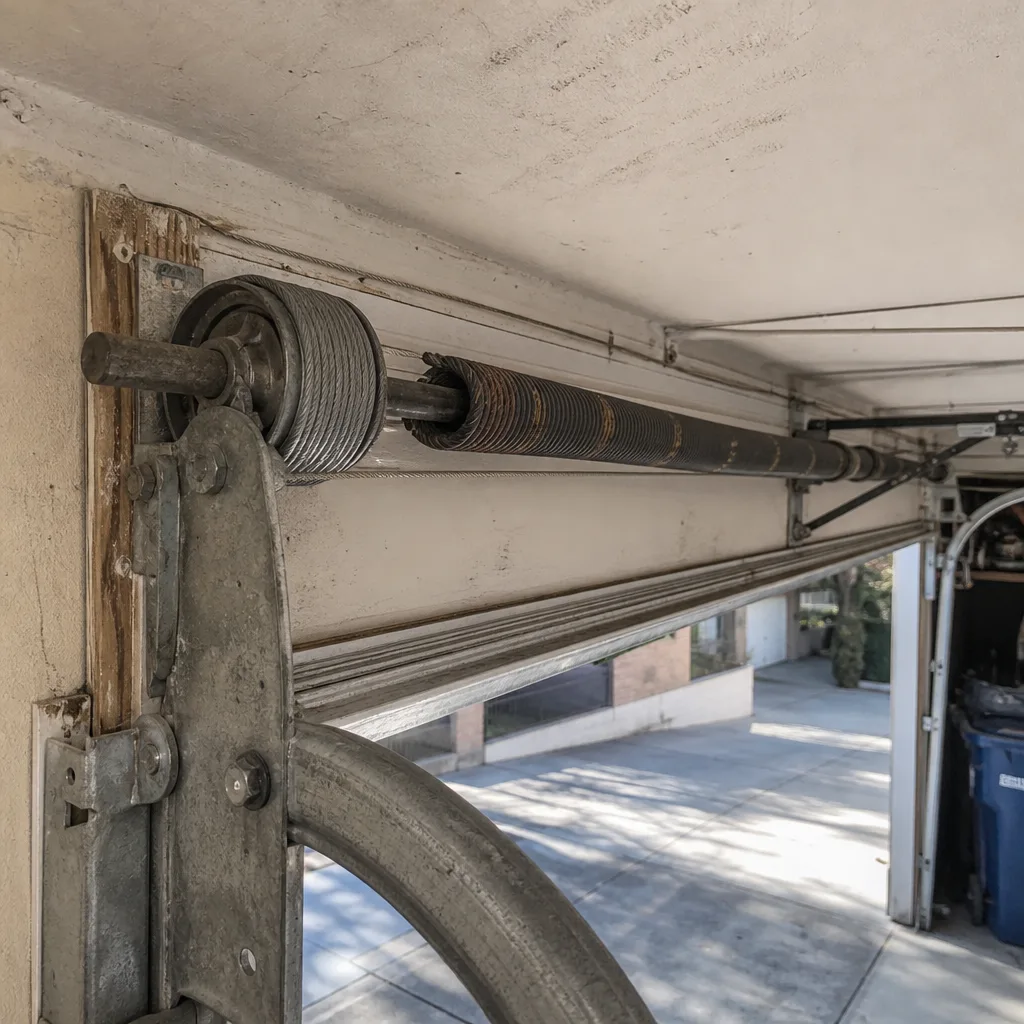
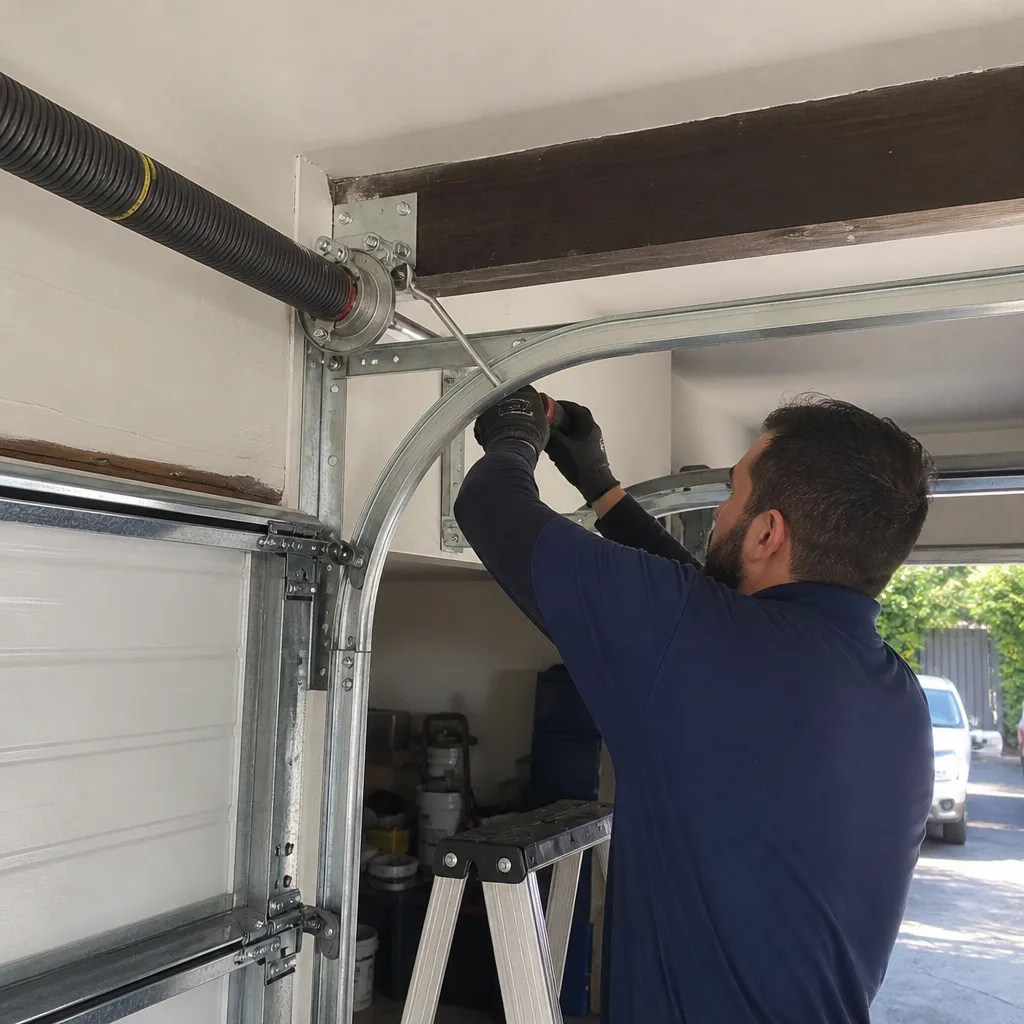
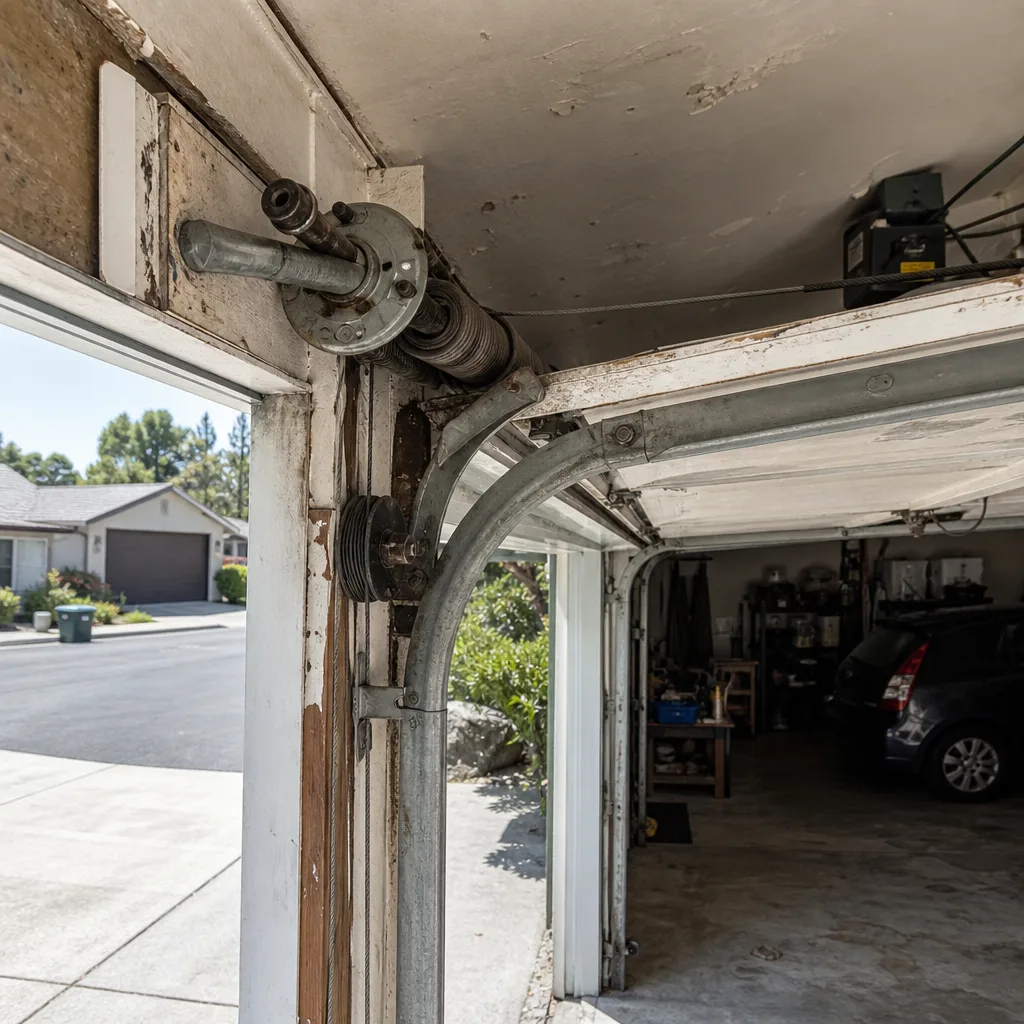
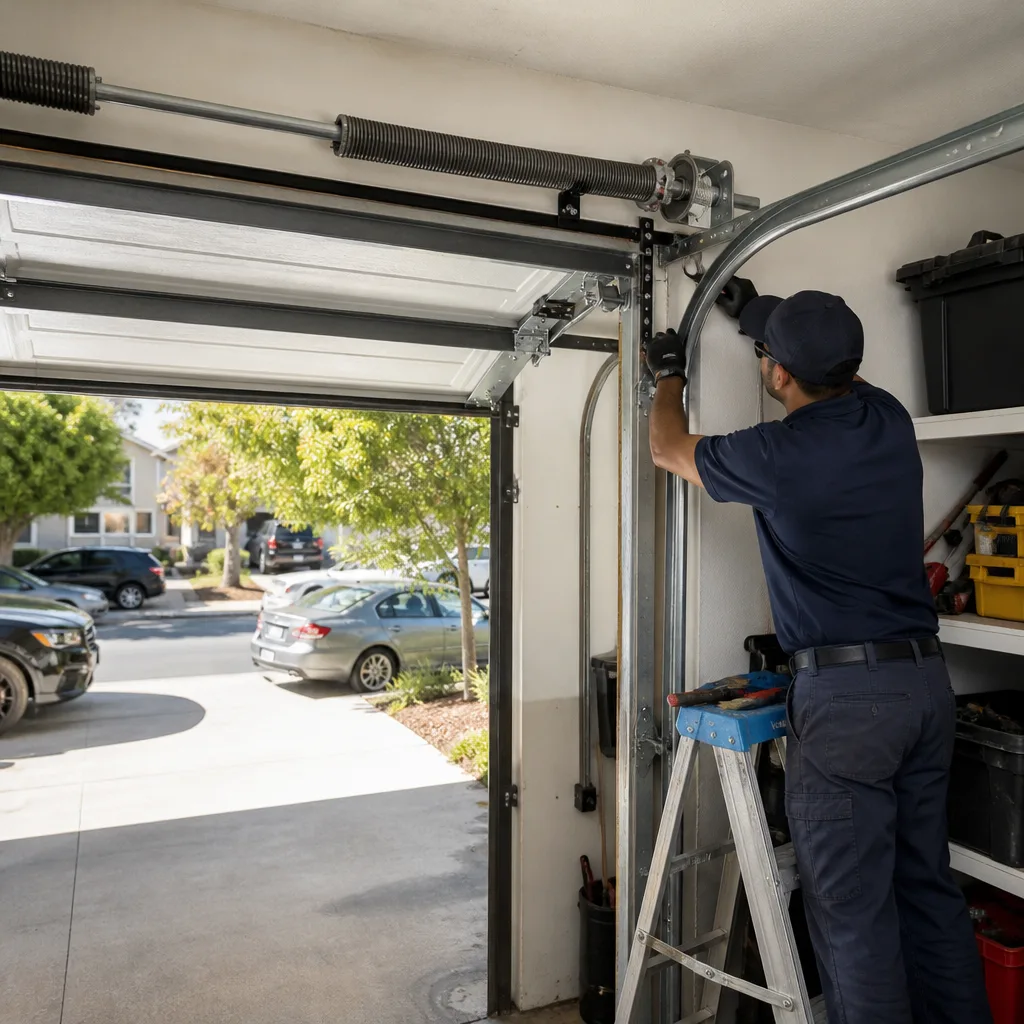
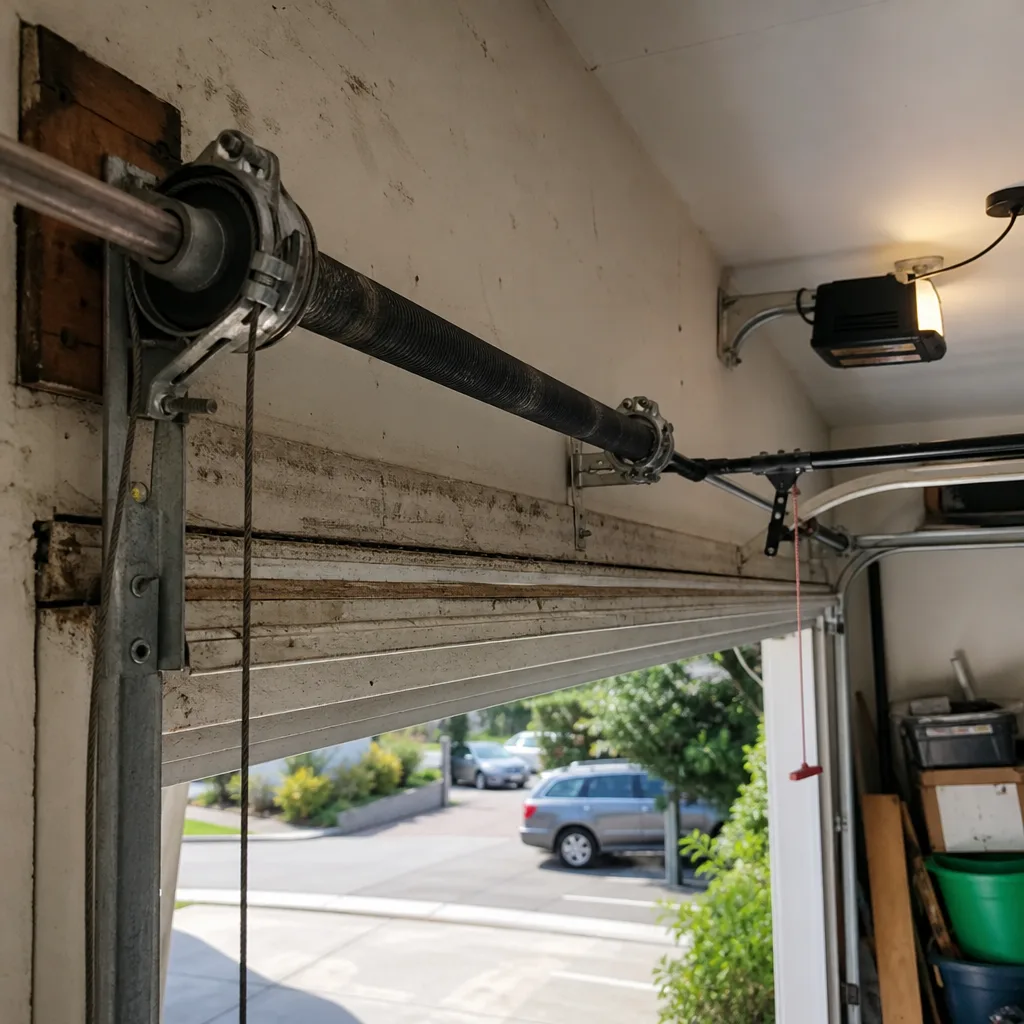
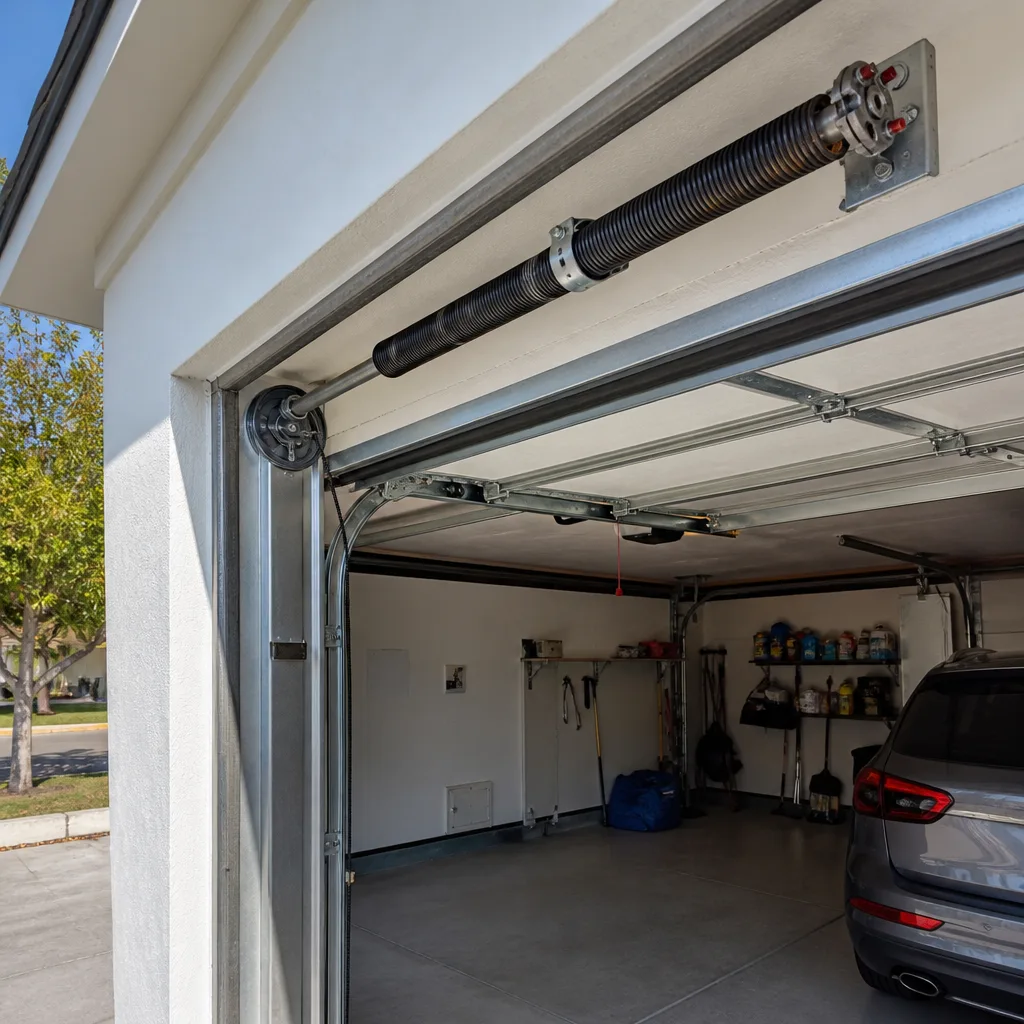
A torsion spring above a closed garage door holds between 80 and 140 pounds of torque when wound. When it breaks, that energy releases instantly, and whoever is nearby catches the tail end. The tools matter: winding bars that fit the spring cone precisely, not screwdrivers or improvised rods. The order of operations matters: you wind in quarter turns, count them, match both sides, and never position your body in the plane of the bars. The margin for error is measured in inches and milliseconds.
In West Hollywood, we see broken springs on a regular basis in the Beverly Grove adjacent area and up in the hills. Doors on the older Spanish-style homes were often installed before modern safety containment cables became code, which means springs break and release without a safety cable catching them. If you see a spring that’s clearly broken and not contained by a cable running through its center, do not operate the door manually and do not stand under it. Call someone. For advance planning, review our Garage Door Emergency Preparedness Guide for West Hollywood Homes.
Cable Replacement
Cables under the same tension as the springs route through pulleys at the bottom corners of the door. Replacing one requires unwinding spring tension in the correct sequence. Skip a step and the door weight transfers to the remaining cable, which then snaps. When the door is mid-travel and a cable fails, the full weight of a 150 to 400 pound door comes down uncontrolled.
The California angle: many West Hollywood garages are tucked into homes built before 1950 with shorter garage ceilings and retrofitted openers. Before any major work, check Garage Door Permits, Codes & Inspections in CA: What You Need to Know. Cable routing sometimes includes non-standard pulley configurations that don’t match the YouTube video you found. If the setup doesn’t match exactly, don’t attempt the job.
Track Realignment or Replacement
Tracks guide the door on a precise path. Bent or misaligned tracks change that path, and the failure mode is the door binding, derailing, and dropping. On a flat surface, a dropped door smashes whatever is below it. On West Hollywood’s hillside properties where garages are built into slopes, a derailed door can roll away or jam unpredictably. Track realignment requires specialized tools and the understanding that a track that looks straight but is off by 3/8 of an inch can cause a derail within a few dozen cycles.
On a related note, garage door repair in West Hollywood that involves the load-bearing hardware, springs, or cables, should always be handled by a trained professional. This isn’t a brand loyalty argument. It’s a mechanical reality.
The California Liability Context
California is a comparative negligence state. If someone is injured by your garage door, and the investigation finds that a self-performed repair contributed to the failure, your homeowner’s insurance carrier may reduce or deny the claim. That’s not a scare tactic. It’s how California insurance adjusters handle liability when an unlicensed repair attempt is a contributing factor.
What this means practically: if you replace a cable yourself and the door later drops on a neighbor’s car, your insurance company’s claims adjuster will ask who performed the last maintenance on the door. If the answer is “I did,” and they can show the cable was installed incorrectly, your liability exposure increases. The claim may still be covered, but the carrier’s likelihood of subrogating against you or raising your premiums goes up.
West Hollywood homeowners should also note that the city’s dense parking environment means many garages are used for vehicle storage, and a door failure that damages a car, or a car that rolls into a door in a tight space, becomes a multi-party situation quickly. The garage door on a median West Hollywood lot is inches from the neighbor’s wall or fence, not dozens of feet away like in newer suburbs.
When you’re deciding whether a repair is DIY-appropriate, factor in what sits below and around the door. A door that operates over an empty workbench in a detached garage in the flats has a different liability profile than a door over a Tesla in a hillside carport near Laurel Canyon.
The Middle Path: Buying Parts, Hiring Labor
Here’s the path most West Hollywood homeowners don’t know exists. You can buy your own components and hire a professional for installation only. It lowers the total bill by 20 to 35 percent while keeping the dangerous work in trained hands.
We see this regularly: a homeowner researches and realizes their opener’s circuit board has failed. A new board costs $140 plus shipping. Replacing it is a 45-minute job with specific wiring steps. They could buy the board themselves and hire us to install it. They pay for labor only, not our markup on the part. The diagnosis remains professional, the work is guaranteed, and the total cost drops.
This approach works best for:
- Opener circuit boards and logic boards: DIYers on YouTube make this look straightforward, but miswiring a board for a LiftMaster or Craftsman opener can damage the new part instantly. Buy the board, hire for installation.
- Spring hardware kits: If you know your door needs a specific torsion spring set for a Wayne Dalton system, you can purchase the kit through a supplier and hire a technician to install it. The technician should still inspect the springs for correct size and torque rating before starting.
- Smart opener add-ons: Some West Hollywood homeowners buy a Wi-Fi bridge or smart wall console and want it integrated into an existing opener. The part itself is a $50 purchase. The wiring and programming can be trickier than the box suggests.
The middle path is not appropriate for tasks where the diagnosis itself requires expertise. If you don’t know why the door is misbehaving, buying a part is a guess. A professional diagnostic call costs less than a wrong part you can’t return.
Tool and Knowledge Requirements for DIY Work
Before you start any garage door DIY project in West Hollywood, run this self-assessment. It separates the homeowners who will actually finish the job from those who will call us mid-project with the door disassembled and the opener beeping.
For lubrication: You need a can of white lithium grease or silicone spray, a rag, and a step stool. That’s it. The knowledge requirement is knowing which parts to lubricate and which to leave alone, and you now have that from earlier in this guide. Ten minutes, no prior experience needed.
For photo eye sensor realignment: You need a Phillips screwdriver or a small adjustable wrench, plus the patience to read the LED indicator on each sensor. The knowledge requirement is understanding that the green light means aligned and red or blinking means not. This is a 15-minute job for someone who has never touched a garage door before.
For weather seal replacement: You need a utility knife, a flathead screwdriver or pry bar for stubborn old seals, and a tape measure. The knowledge requirement is knowing your door brand and seal profile, which is printed on the seal itself if you can pull a broken end free. Budget 30 minutes including trimming.
For anything involving springs, cables, or tracks: The tool requirement includes professional winding bars, torque wrenches, and a tension gauge. The knowledge requirement includes understanding spring torque calculations, cable routing patterns across eight different brands, and track tolerance specs. This isn’t a gatekeeping claim. It’s a description of what the job actually requires, and the reason we carry that equipment on every West Hollywood service call.
When Your Quick Fix Fails: Follow-Up Inspection Signs
You lubricated, realigned, and replaced the seal. The door works better. But sometimes the quick fix masks a deeper problem, and it shows up days or weeks later. These are the specific signs that your DIY fix addressed a symptom, not the cause, and a professional follow-up is warranted.
The door still reverses halfway down after you realigned the sensors. Sensor misalignment was either never the issue or it was one of two issues. If the door reverses at the same spot every time, the problem may be in the logic board or the force settings. Realigning sensors was worth trying, but the persistent symptom means the underlying cause wasn’t resolved.
The door is quieter after lubrication, but it hesitates or jerks during travel. You eliminated the noise, not the friction. A door that hesitates is binding somewhere, often in the tracks or at a hinge that’s failing. Lubrication bought you time, not a fix.
The new weather seal sits correctly, but the door doesn’t close flush with the floor. This is a track or spring tension issue. The seal is doing its job, but the door’s travel path has shifted. If the door used to close flush and now sits 3/8 of an inch proud on one side, the springs have lost tension or a track bracket has moved.
You can hear the opener straining even after lubrication. An opener that works audibly harder than it used to is often fighting a spring that’s losing tension. The spring is doing less of the lifting, so the opener motor is doing more. This is the early warning sign of spring failure, not a lubrication shortfall.
None of these signs mean your DIY work was a waste. They mean the easy fixes were worth trying first. But if the symptoms below the surface persist, the next call is to garage door opener repair in West Hollywood or a spring and cable specialist, depending on what the symptoms point to.
Common Mistakes to Avoid
- Using WD-40 as a garage door lubricant. WD-40 is a water displacer and degreaser. It strips the existing lubrication and leaves metal parts dry within days. Use white lithium grease or silicone spray. This mistake is so common in West Hollywood garages that we see it on a weekly basis.
- Replacing one spring instead of both. If one torsion spring breaks, the other has the same age, the same cycle history, and is often 30 to 90 days behind. Replacing only the broken spring means paying for a second service call within months. Most West Hollywood garage doors have two springs, and when one goes, we replace both by default.
- Buying a new opener before checking the outlet. About one in five “dead opener” calls we get in West Hollywood turn out to be a tripped GFCI outlet in the garage. The outlet shares a circuit with exterior lights in many older homes, and a good rain plus a worn exterior fixture trips it. Check the reset button on the outlet before spending $300 on a new motor.
- Watching one YouTube video and attempting a spring replacement with screwdrivers. Screwdrivers are not winding bars. Winding bars are hardened steel rods sized to the spring cone. A screwdriver that slips under load becomes a projectile at close range. There is no version of this that works.
- Ignoring a slow or jerky door and assuming it will work itself out. Garage doors do not self-heal. A jerky door is a mechanical symptom that worsens with use. The longer it runs misaligned or under-lubricated, the more expensive the eventual repair.
- Painting over rust on the bottom panel without addressing the rust’s cause. In West Hollywood’s coastal air, rust is the result of moisture wicking up from the bottom seal. Paint covers it temporarily. Replacing the seal and treating the rust is the actual fix. Paint alone means the rust returns by the next rainy season.
- Forgetting to test the auto-reverse safety feature after any DIY work. Place a roll of paper towels under the door and close it. If the door doesn’t reverse after touching the roll, the safety reversing mechanism is not functioning. This is a 30-second test that every homeowner should run monthly, and it’s mandatory after touching any part of the door system.
When to Call a Professional
Call a professional when the task involves springs, cables, tracks, or any component under tension. Call when the door has come off its track, when a cable is frayed or snapped, when the door drops faster than normal, or when the opener runs but the door doesn’t move. Call when you’ve done the reasonable DIY work and the symptom persists or changes. Call when you inherit a garage door system from a previous owner and have no maintenance history. And call when the door is over your daily driver and you’d rather not test your insurance company’s definition of comparative negligence.
Gold Star Garage Door Service offers free estimates in West Hollywood. Call (866) 810-8325. We work on what you already have, from panel to opener, on all eight major brands including LiftMaster, Chamberlain, Genie, Clopay, Amarr, Wayne Dalton, Craftsman, and Raynor.
Frequently Asked Questions
You can realistically handle lubrication, photo eye sensor realignment, and bottom weather seal replacement on most West Hollywood garage doors. For more guides & resources on keeping your door running smoothly, visit our blog. These tasks require basic tools, have tolerable failure modes, and rarely take more than 30 minutes. Spring replacement, cable replacement, and track work are not DIY-appropriate regardless of your tool collection or confidence level.
A garage door torsion spring is genuinely capable of causing fatal injury if it releases uncontrolled during winding or unwinding. The spring stores 80 to 140 pounds of torque, and the winding bars become projectiles if they slip. This is not exaggerated for effect. The danger is the primary reason professionals exist for this specific repair.
Yes, and many West Hollywood homeowners do. Buy the part through a supplier, then hire a professional for installation only. This approach typically saves 20 to 35 percent on the total job while keeping the dangerous or technically demanding work in trained hands. Make sure the part matches your door brand and model before purchasing.
In California, your homeowner’s insurance coverage depends on the specifics of the situation, and a self-performed repair that contributed to the failure can reduce or complicate your claim. California is a comparative negligence state, which means the insurance adjuster will examine who did the last work on the door. If an unlicensed repair attempt contributed to the failure, your liability exposure increases.
Test the door through at least five full open-close cycles and listen for strain, hesitation, or unusual noise. Run the auto-reverse safety test by placing a roll of paper towels under the door and closing it. If the door reverses on contact and operates smoothly through multiple cycles, your fix held. If the original symptom returns within a few days, the underlying cause wasn’t addressed.
Gold Star Garage Door Service provides free estimates in West Hollywood. Call (866) 810-8325 to schedule one. The price you’re quoted is the price you pay, agreed upon before any work begins. Whether the job is a spring replacement, an opener repair, or a full garage door installation in West Hollywood, the quote is set upfront.
The Bottom Line
The DIY vs. professional garage door decision in West Hollywood comes down to one question: what happens if this goes wrong? If the answer is “I redo the task or call someone,” you can probably handle it yourself. If the answer is “someone gets hurt or the door destroys something,” the task belongs in professional hands. The middle path, buying parts and hiring labor, works for homeowners who want to save money without touching the dangerous components themselves. The line isn’t about your skill level. It’s about the physics of the system and the consequences of a mistake. For anything involving springs, cables, or tracks, call Gold Star Garage Door Service at (866) 810-8325 and get a free estimate before you touch anything.
Written by the team at Gold Star Garage Door Service, serving West Hollywood since 2018.
See the difference
 Before
 After
 Before
 After
 Before
 After