Last updated October 31, 2026
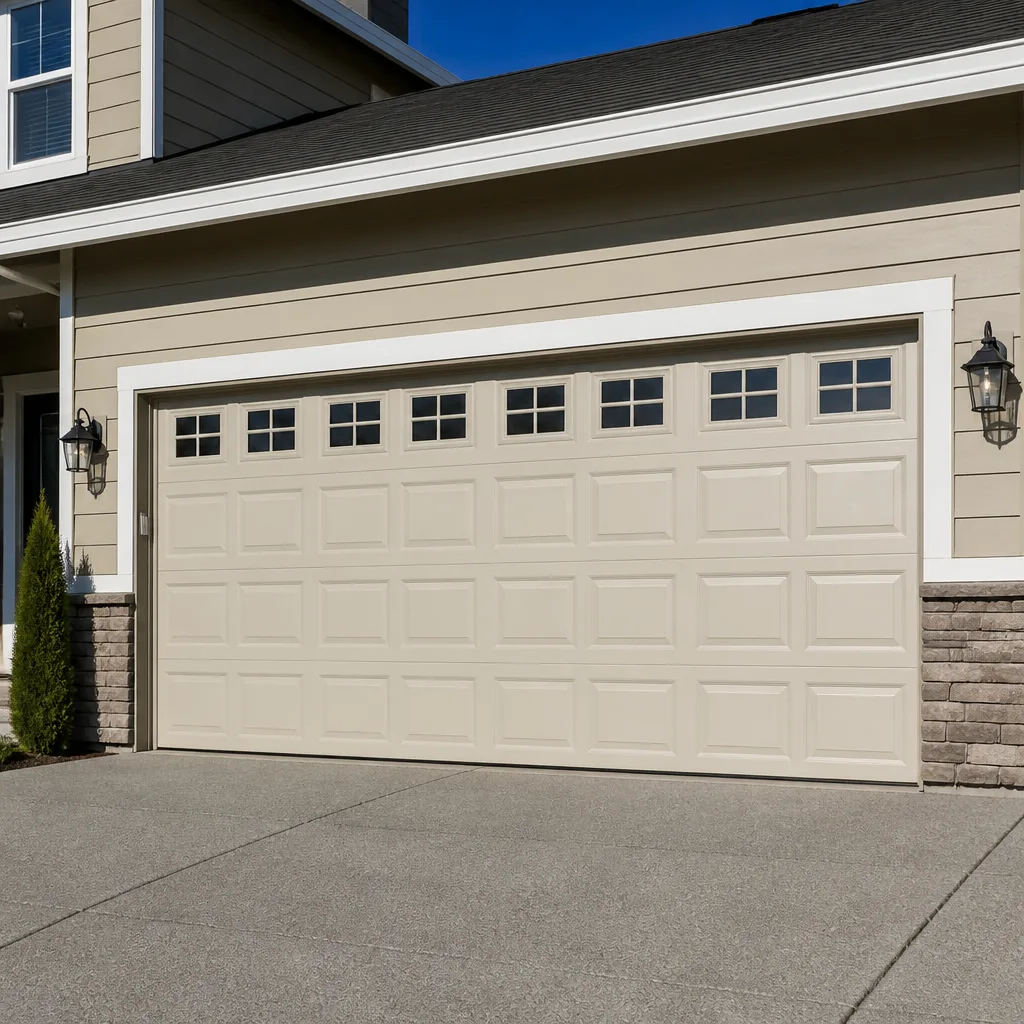 Raised-panel steel
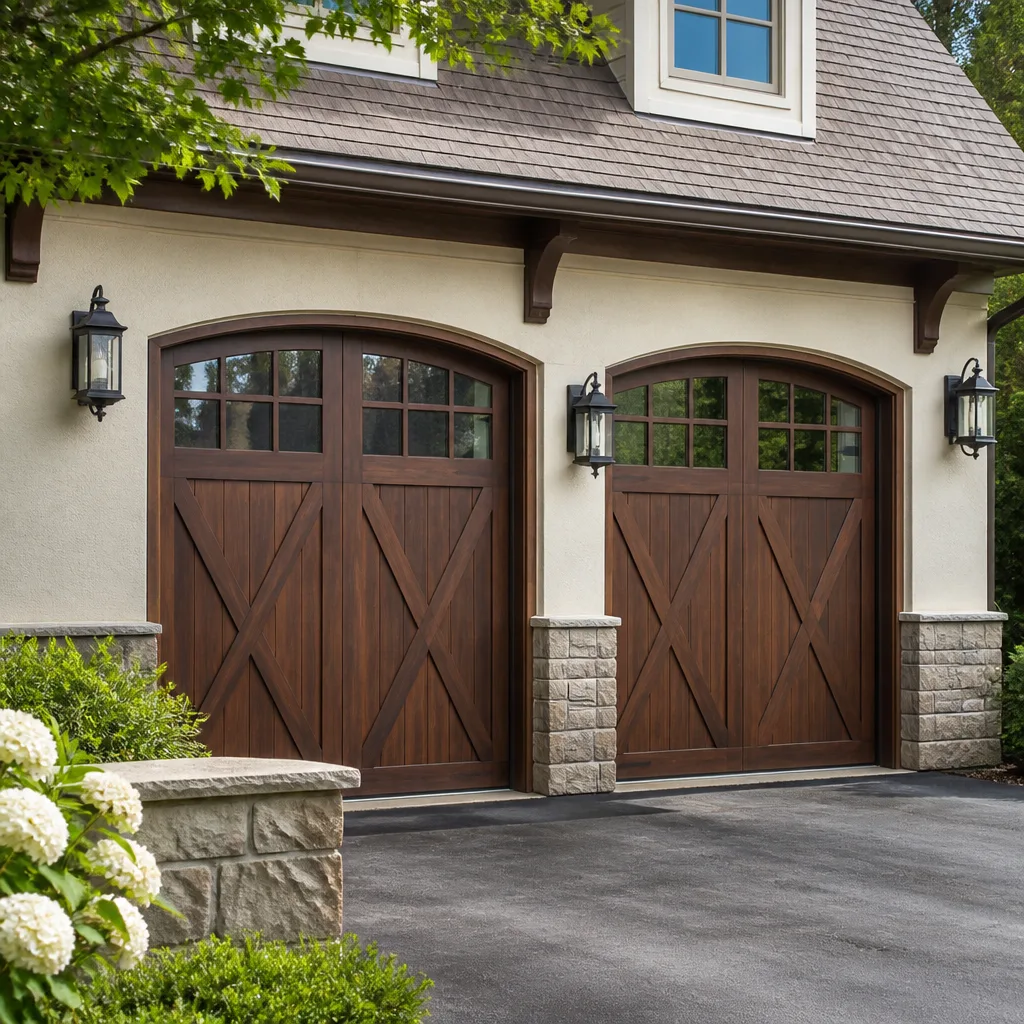 Carriage house
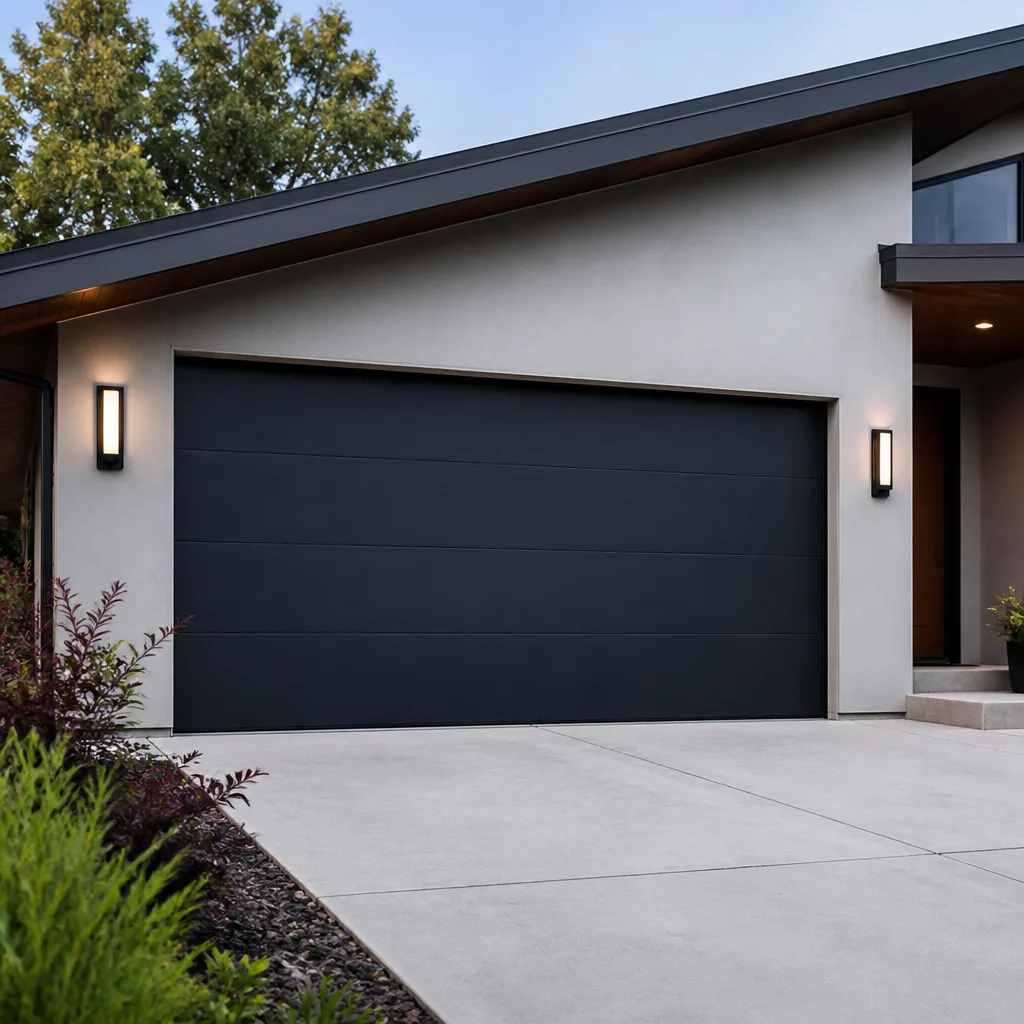 Modern flush
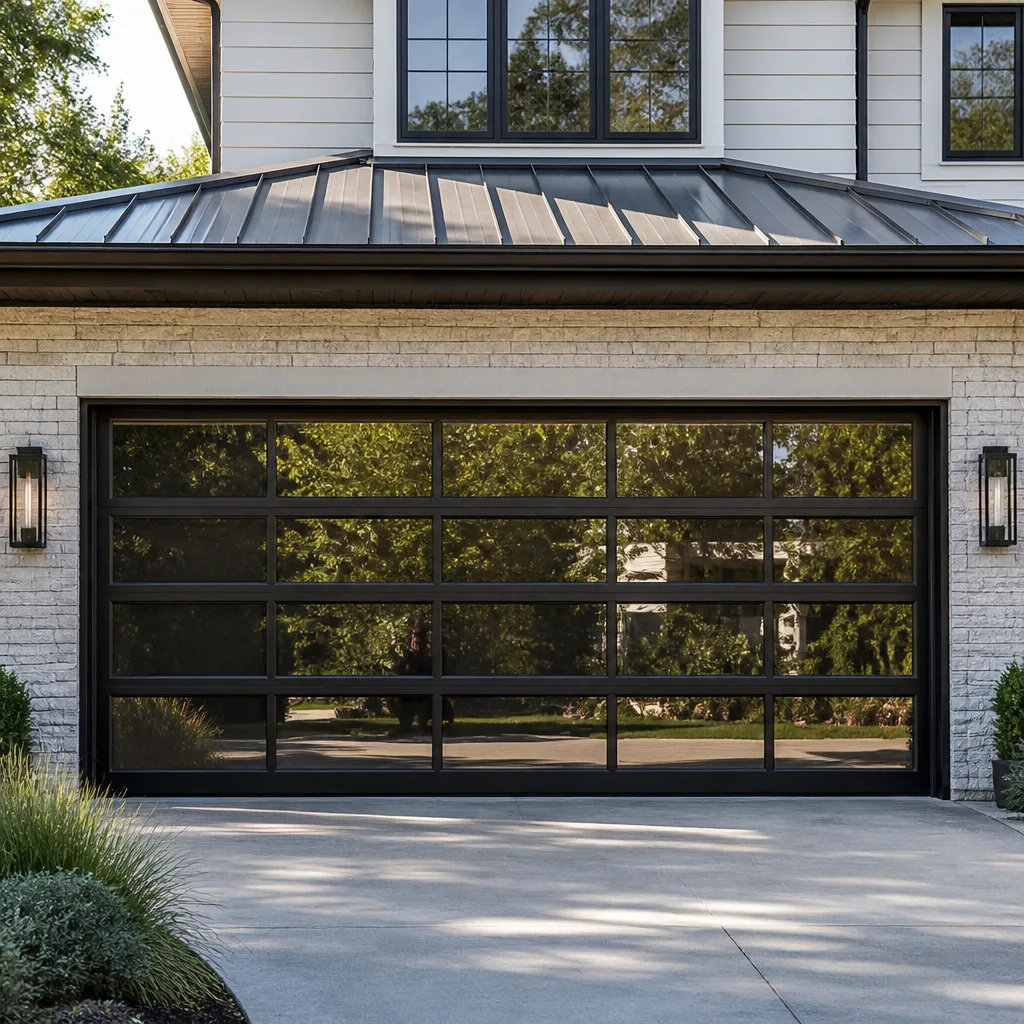 Full-view glass
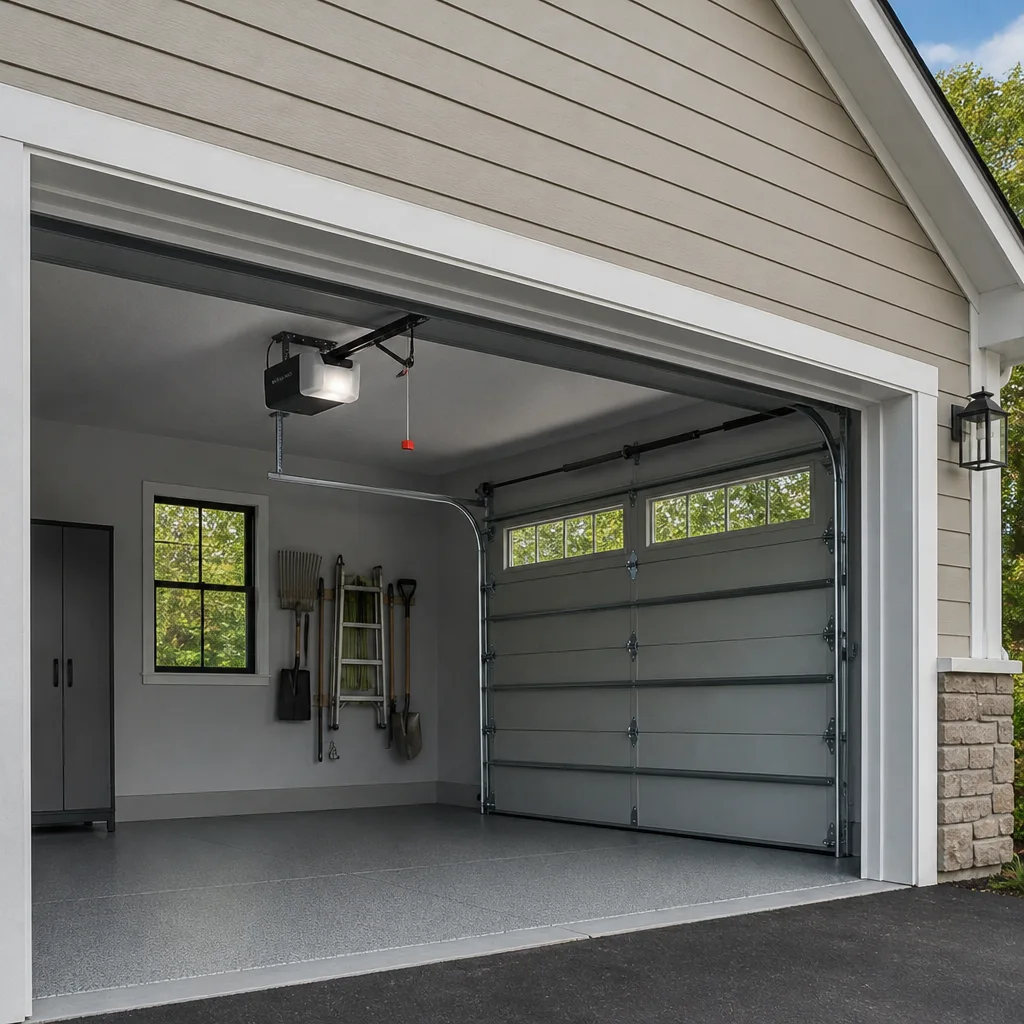 LiftMaster openers
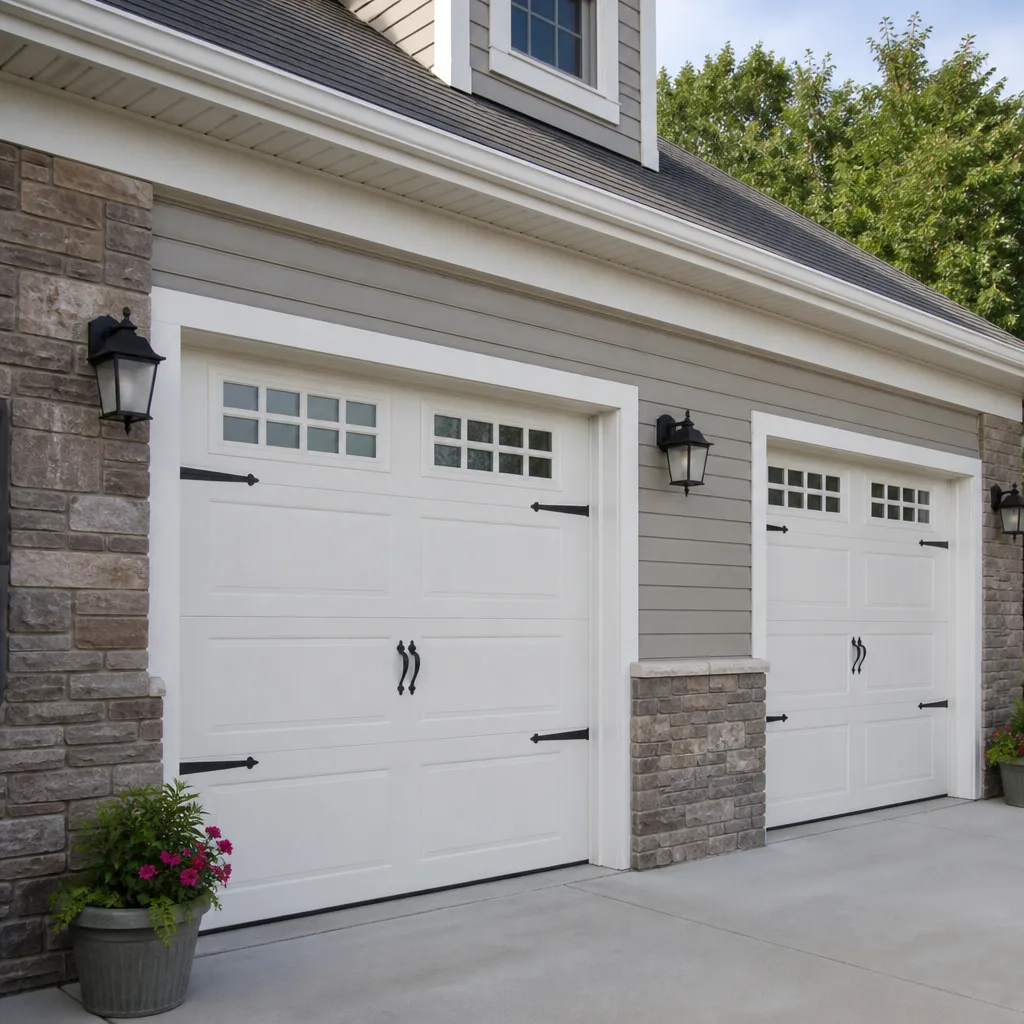 Chamberlain openers
Full 25-point door and opener safety check with every visit - springs, cables, rollers, tracks, and your LiftMaster or Chamberlain opener included
You get a price before we start. It does not change when the truck arrives.
Get your free estimateThe Complete Guide to Garage Door in West Hollywood
West Hollywood sits on fewer than two square miles between Beverly Hills and Hollywood, yet packs in some of the most architecturally divergent streetscapes in Los Angeles County. A 1920s Spanish Colonial on Harper Avenue, a mid-century courtyard apartment on Kings Road, and a glass-faced infill house in the Norma Triangle each demand completely different garage door solutions. This guide maps the full lifecycle, selection, installation, and long-term upkeep, specifically against the zoning, HOA, and aesthetic realities of West Hollywood, so you make one decision well instead of three poorly. For more guides & resources on garage doors in the area, explore our blog.
Quick Answer
A garage door in West Hollywood typically costs between $1,100 and $4,200 installed, depending on material, insulation, and whether the property falls under historic district or HOA design review. The most common doors in the city are carriage-house steel in Spanish Colonial and Tudor neighborhoods, flush aluminum or wood composite on mid-century buildings, and full-view aluminum or glass panel doors on newer infill construction. Opener selection matters more here than in most LA neighborhoods because many homes share alley-access lots, where noise carries directly into a neighbor’s bedroom window at 6 a.m.
Styles & brands we work with
Table of Contents
- The West Hollywood Garage Door Landscape
- Zoning, HOA, and Historic District Rules That Affect Your Door
- Door Types by Architectural Era: What Actually Gets Installed in WEHo
- Materials and Climate: What Survives West Hollywood’s Sun and Salt Air
- Garage Door Opener Selection: Noise, Alley Lots, and Smart Features
- The Full Lifecycle Cost: Purchase Price vs. 15-Year Ownership
- A Brand-Agnostic Look at the Major Garage Door Lines
- A West Hollywood-Specific Maintenance Schedule
The West Hollywood Garage Door Landscape
West Hollywood incorporated as its own city in 1984, but its housing stock predates that by six decades. The city’s residential fabric splits roughly into three eras: pre-war courtyard and Spanish Colonial buildings from the 1920s and 1930s, mid-century dingbat and low-rise apartments from the 1950s and 1960s, and a steady wave of contemporary infill and remodel projects from the late 1990s onward. Each era brings its own garage door conventions, and many buildings retain their original doors, which means our technicians routinely open panels that are older than most of the city’s current residents.
What makes West Hollywood unusual is density. The city has roughly 36,000 people living across 1.9 square miles. That density shapes demand. Many single-family homes have detached garages accessed from narrow alleys. Many multi-unit buildings have shared garage entrances with doors cycling dozens of times a day. Spring fatigue, track wear, and opener motor burnout all happen faster here than in a suburban cul-de-sac because the equipment simply cycles more often. Understanding that baseline matters before you ever pick a door.
Our shop is the Gold Star Garage Door Service home for this kind of context-driven work. We’ve repaired, replaced, and installed doors across every neighborhood in West Hollywood, from the Norma Triangle up to the Sunset Strip adjacent blocks, and we know which doors hold up and which ones don’t under this city’s specific conditions.
Zoning, HOA, and Historic District Rules That Affect Your Door
Here’s the part generic buying guides miss. In West Hollywood, you may not own the right to choose your own garage door without permission. The city has multiple local historic districts, including the Harper Avenue Historic District and portions of the West Hollywood West neighborhood, plus individual landmarked structures scattered throughout the city. If your property falls in one of these designations, any exterior alteration, including a garage door replacement, requires a Certificate of Appropriateness from the city’s planning division before work begins. That review process evaluates whether the proposed door matches the building’s original architectural character, which usually means wood or wood-look materials, specific panel profiles, and paint colors from a defined palette.
Many condominium and townhome communities in West Hollywood also carry HOA design guidelines that overlay city rules. A condo board may restrict door materials, prohibit windows on street-facing doors, or require match-and-match replacement with neighboring units. We’ve seen HOAs reject a perfectly good insulated steel door because the panel stamping didn’t match the 1967 original. It is not enough to buy a door that fits the opening. It has to fit the rules.
Before you buy:
- Check whether your address falls within a city historic district or is a landmarked structure. The city planning department maintains a map.
- If you are in an HOA, request the design review section of your CC&Rs. Ask specifically about garage doors, not just exterior paint.
- Get any required approval in writing before ordering a door. Custom doors are non-returnable.
- If your garage faces a street rather than an alley, expect stricter aesthetic review. Street-facing doors are treated as primary facade elements in West Hollywood.
We also handle the service side of these decisions. Our Garage Door Installation in West Hollywood team routinely works alongside owners who have already secured HOA or historic district approval, and we can help you understand what documentation your installer will need before the first panel comes off the truck.
Door Types by Architectural Era: What Actually Gets Installed in WEHo
Walk any West Hollywood block and you’ll see three dominant door styles that map cleanly onto the city’s architectural history. Knowing which era your building belongs to narrows your decision dramatically.
Pre-war Spanish Colonial and Tudor (1920s-1930s): These homes dominate the West Hollywood West and Crescent Heights adjacent neighborhoods. The period-appropriate choice is a carriage-house door: wood or steel with a wood-look finish, recessed or raised rectangular panels, and either faux or functional strap hinges. Clopay and Amarr both make believable wood-look steel carriage doors that give you the period profile without the maintenance of real wood. Actual solid wood carriage doors exist too, but they require repainting every few years under California sun, and the weight demands a stronger opener.
Mid-century apartments and dingbats (1950s-1960s): These buildings run heavily along the east-west residential streets south of Santa Monica Boulevard. The original doors were often flush wood or flat aluminum slabs with no ornament. The honest replacement is a flush panel steel or aluminum door in a matte finish, occasionally with narrow horizontal window strips. Wayne Dalton’s flush panel steel lines or a simple Amarr flush door fit this vocabulary. Avoid carriage-style stamping here. It looks like a costume on a mid-century building.
Contemporary infill (1990s-present): The Norma Triangle and the blocks around it have seen substantial new construction, much of it with glass-forward architecture. These homes lean toward full-view aluminum doors, often with frosted or clear tempered glass panels set in powder-coated aluminum frames. They maximize natural light in tight West Hollywood lots and tie the garage visually into the house rather than hiding it. These doors pair best with belt-drive openers, since an aluminum and glass door transmits vibration acoustically.
Materials and Climate: What Survives West Hollywood’s Sun and Salt Air
West Hollywood is not a beach city, but it sits close enough to the Pacific that salty marine air reaches it on many mornings, especially during June gloom. Combine that with 280-plus sunny days a year and you get a specific weathering profile: UV damage on east and west-facing door surfaces, light surface corrosion on untreated steel hardware, and fading on paint and stain finishes within five to seven years if the door is not factory-finished.
Here’s what that means by material:
- Steel doors: The most common choice in West Hollywood. Factory-applied coatings, whether Clopay’s polyester finishes or Amarr’s equivalent, hold up well for ten to fifteen years. If you buy an unprimed or economy steel door, expect rust at panel edges and fastener points within a few seasons. Galvanized steel tracks and hardware are worth the small premium here.
- Aluminum doors: Resistant to corrosion and a natural fit for mid-century and contemporary buildings. The tradeoff is denting. Alley-access garages in West Hollywood see occasional vehicle contact, and aluminum shows those dings more readily than steel.
- Wood doors: Beautiful on Spanish Colonial homes but the highest maintenance option in this climate. Real wood doors in West Hollywood need repainting or resealing every two to three years. Many owners choose wood-look steel instead precisely because the maintenance calendar is too aggressive.
- Wood composite and fiberglass: Middle-ground options that mimic wood grain without the rot risk. They cost more than steel but less than solid wood, and they perform well under marine-influenced air.
One West Hollywood-specific note: many older garages here are detached and uninsulated. If you use your garage as a home office, gym, or storage for temperature-sensitive items, an insulated steel or aluminum door changes the interior climate meaningfully. The R-value is not just a selling point. It is the difference between a garage that bakes at 110 degrees in August and one that stays workable.
Garage Door Opener Selection: Noise, Alley Lots, and Smart Features
West Hollywood’s defining physical feature for opener selection is the alley. Many pre-war and mid-century properties share a rear alley, with garages set close to neighboring bedroom windows. A chain-drive opener on a steel door in that configuration is a noise complaint waiting to happen, especially if anyone in the household leaves before 7 a.m. Los Angeles County noise ordinances set limits on mechanical equipment sound transmission, and while garage door openers are rarely the subject of formal enforcement, they absolutely can be the subject of neighbor tension, HOA complaints, and polite-but-pointed notes taped to your gate.
The practical rule: if any part of your garage door is within 30 feet of a bedroom window, yours or a neighbor’s, install a belt-drive or direct-drive opener. Belt drives use a reinforced rubber belt instead of a metal chain, cutting operating noise roughly in half. Genie and Chamberlain/LiftMaster both make belt-drive units with DC motors that start and stop gradually instead of jolting, which reduces both noise and wear.
Three things to ask about when comparing openers for a West Hollywood property:
- Drive type: Belt-drive or direct-drive for noise-sensitive lots; chain-drive only for detached garages with no neighbor proximity.
- Smart controls: Many West Hollywood homes are occupied by people who receive frequent package deliveries and service calls. A Wi-Fi-enabled opener that lets you open the garage remotely for a dog walker or delivery and close it from your phone is no longer a luxury feature.
- Battery backup: The city has not experienced a grid failure on the scale of the 2019 PSPS events, but Southern California Edison outage maps still light up during heat waves and wind events. A battery backup keeps your door operational when the power drops.
- Single-car steel door, no insulation: $1,100 to $1,800 installed
- Double-car steel door, insulated: $1,800 to $3,000 installed
- Carriage-house steel door, premium finish: $2,200 to $3,500 installed
- Full-view aluminum and glass door: $3,000 to $4,500 installed
- Wood composite or solid wood custom door: $3,500 to $7,500 installed
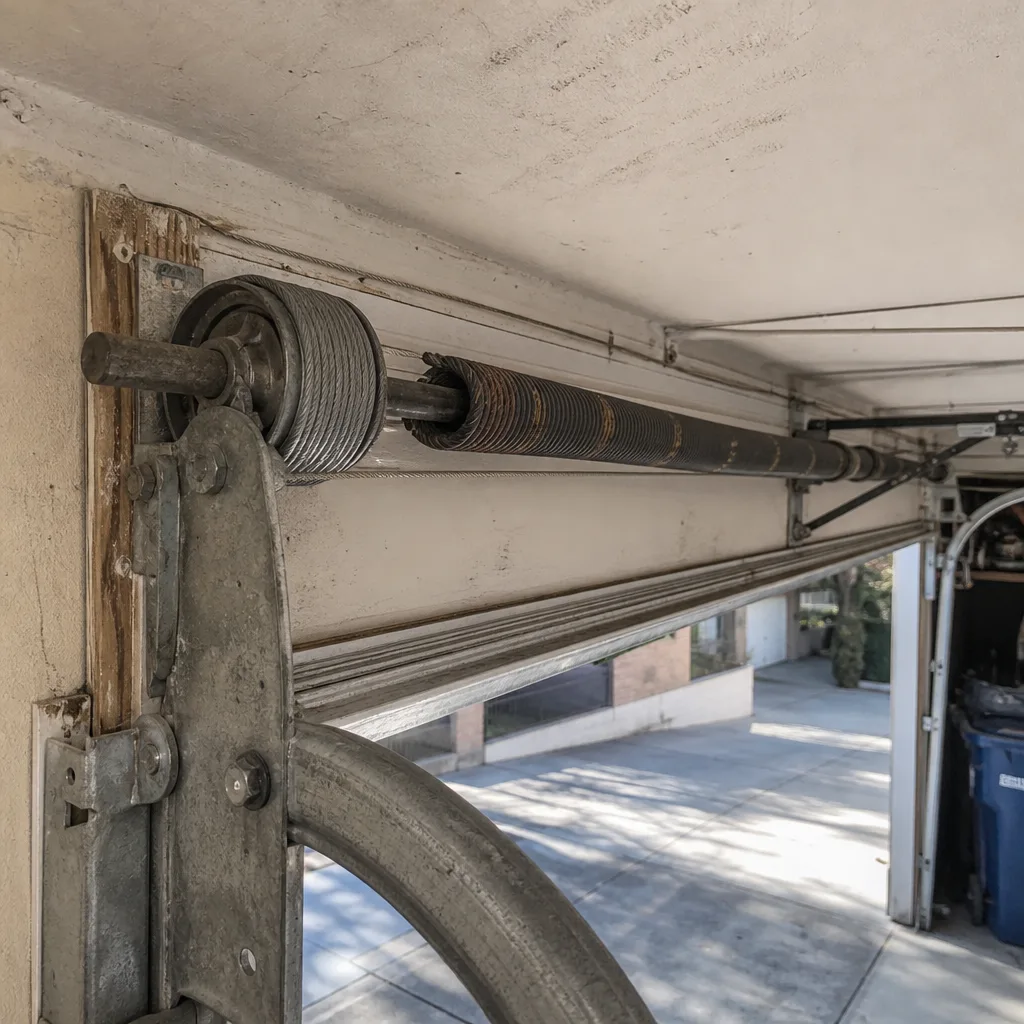
- Torsion spring replacement: Most springs last 7 to 12 years with normal use. In West Hollywood’s higher-cycle garages, replace every 7 to 9 years. Budget $250 to $450 per spring replacement.
- Opener replacement: Openers last 10 to 15 years. Budget $450 to $800 for a mid-range belt-drive unit installed.
- Roller and cable replacement: Rollers wear out, especially on doors that cycle frequently. Budget $150 to $250 every 5 to 7 years.
- Weather seal replacement: The bottom seal on an alley-facing West Hollywood door takes sun and debris exposure. Replace every 3 to 4 years at $100 to $150 per replacement.
- Cosmetic refinishing: If you have a painted steel door, expect repainting once every 8 to 10 years. A pro paint job on a double door runs $700 to $1,200 in this market.
- Inspect the door when it is closed. Look at the panel seams, the bottom seal, and the roller brackets. If the door sits unevenly or you can see daylight under one corner in the morning, something has shifted.
- Run the door and listen. A well-tuned door makes a low, even hum. Grinding, squealing, or a hard clank at the top or bottom of travel means the rollers, hinges, or springs are wearing.
- Check the auto-reverse function. Place a 2×4 or a filled cardboard box in the door’s path and close it. The door should reverse within two seconds of contact. If it does not, call a professional before using the door again. That is a safety issue, not a convenience issue.
- Lubricate the torsion springs, rollers, and hinges with a garage door-specific lubricant. Do not use WD-40, which displaces the factory grease. A three-in-one garage door oil or white lithium grease is appropriate.
- Tighten the track brackets and inspect the bolts on the opener rail. These come loose over time from daily vibration.
- Wash the door surface with mild soap and water. West Hollywood air leaves a fine film of dust and salt on the panels that accelerates paint breakdown if left to sit.
- Replace the bottom weather seal. This is the one maintenance item that pays for itself fastest, since a failed seal lets dust, water, and pests into the garage and onto whatever you store there.
- Have the door balance checked. A door that is properly balanced can be raised manually with two fingers. A door that is not balanced is wearing out the opener motor and the springs simultaneously.
If your opener is failing, our Garage Door Opener Repair in West Hollywood service diagnoses motor, logic board, gear, and rail issues before recommending replacement. We repair openers from every major brand, including Genie, LiftMaster, Chamberlain, and Craftsman, so you are not stuck with a dead motor just because your opener is ten years old.
The Full Lifecycle Cost: Purchase Price vs. 15-Year Ownership
Here is the number most buyers never see. A garage door is a 15 to 20-year purchase, not a one-time transaction. The purchase price is only the beginning. For a deeper look at what drives those costs locally, see our Garage Door Cost Breakdown: The West Hollywood Homeowner’s Reference for 2026.
Initial installation costs in West Hollywood run roughly:
Those numbers assume a standard opening. West Hollywood has many non-standard openings, since so many garages predate modern door sizing. If your rough opening is 8 feet wide rather than 7, or 7 feet tall rather than 6’8″, expect a 10 to 20 percent premium for a custom-sized door.
Ongoing costs over 15 years:
A $2,200 door with normal West Hollywood usage will cost roughly $3,600 to $4,200 over its full life once you add springs, rollers, seals, and opener replacement. That is the honest number. It is also why choosing a door with quality hardware upfront matters more than shaving $300 off the panel price.
A Brand-Agnostic Look at the Major Garage Door Lines
We service and install all eight of the most widely installed garage door and opener brands in the US, which means we do not have a financial reason to push you toward any single one. Here is how a few of them map to West Hollywood scenarios.
Clopay: The widest range of styles and price points. Their carriage-house steel doors in woodtones are the most common pick for Spanish Colonial and Tudor homes in West Hollywood. They also make respectable flush panel models at entry-level prices.
Amarr: Strong in the insulated steel and wood-look categories. Their Lincoln and Classica lines cover most traditional WEHo styles well, and their finishes hold up consistently under Southern California sun.
Wayne Dalton: A solid mid-range option with strong flush panel and contemporary aluminum lines. Their Torquemaster spring system is different from a standard torsion setup and requires brand-specific parts, which matters when service time comes. We carry those parts, which is not true of every independent shop.
Genie: Primarily an opener brand. Their belt-drive smart openers are a frequent choice for West Hollywood homes where noise matters and the owner wants an app-controlled unit without paying LiftMaster’s premium.
The honest framework is this: choose the door material and style that fits your building first, then choose the brand that makes that style in your size at the right price. The brand is secondary. The fit, the insulation, and the finish are primary.
A West Hollywood-Specific Maintenance Schedule
Garage doors in West Hollywood cycle more often and face more sun and marine air than doors in inland LA. A maintenance schedule tuned to those conditions prevents most failures before they happen.
Every 3 months:
Every 12 months:
Every 3 to 4 years:
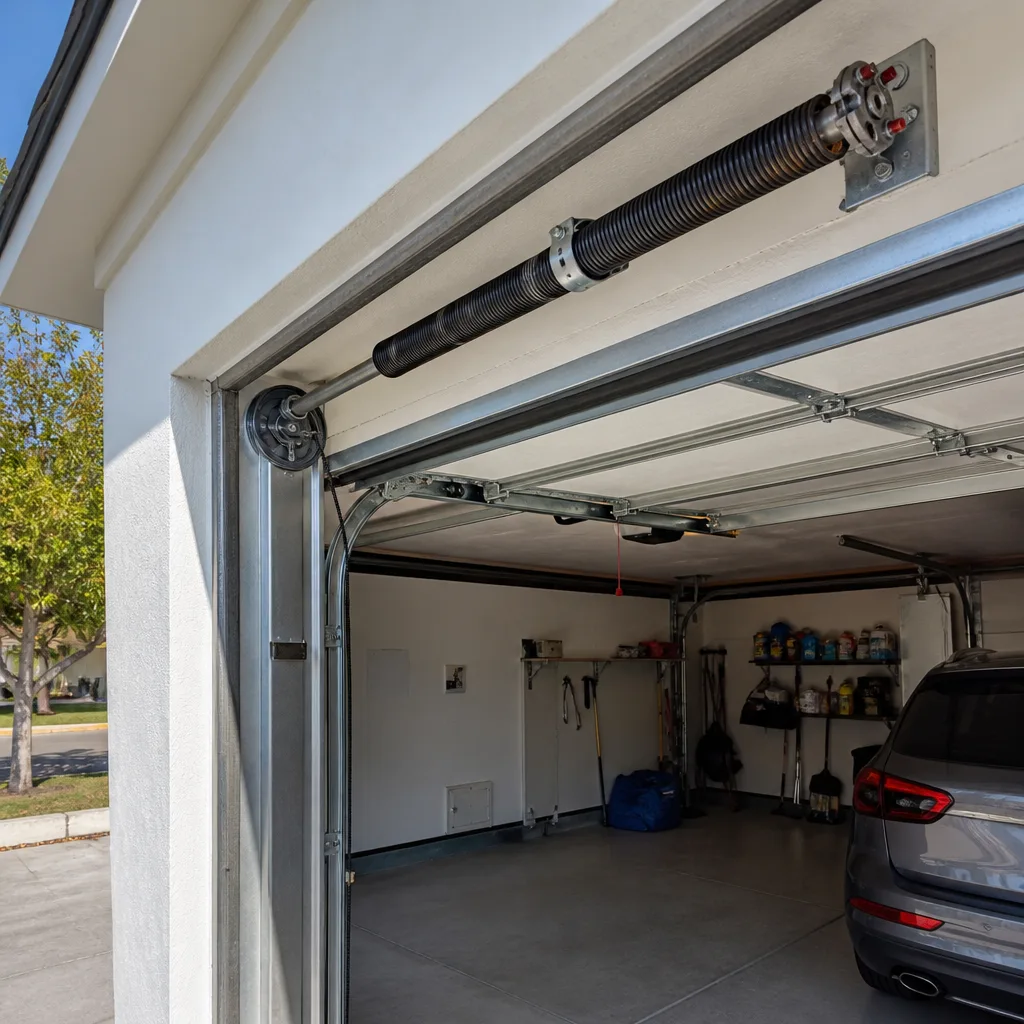
One safety note that applies to several items on this schedule. Torsion springs are under hundreds of pounds of tension, even when the door is closed. We do not recommend adjusting, loosening, or replacing torsion springs yourself. That work requires specific tools and specific technique, and spring failures can cause serious injury. The same goes for cables. If a cable has frayed or come off the drum, leave the door alone and call us. For routine cable and spring service, our Garage Door Repair in West Hollywood team handles it with the right tools and the right tension settings.
Common Mistakes to Avoid
- Buying a door without checking HOA or historic district rules. A custom-order door that arrives and then gets rejected by the design review board cannot be returned. Verify approvals first, order second.
- Choosing chain-drive openers on alley-facing West Hollywood garages. The savings is $80 to $150, and the cost is a neighbor relationship you cannot repair with an apology. Belt drive is the default choice in this city.
- Skipping insulation to save money. West Hollywood garages face direct afternoon sun on the west side. An uninsulated steel door turns a garage into a convection oven from June through October.
- Replacing the door but keeping a 15-year-old opener. A new door is heavier or lighter than the old one and puts different strain on the opener. If the opener is near the end of its life, doing both at once saves a second service visit.
- Painting a factory-finished steel door with the wrong paint. Vinyl-backed panels and some factory coatings reject standard latex paint, and the result is peeling within a year. If you repaint, match the paint chemistry to the door material.
- Ignoring a door that has started to shake or bang on open and close. That noise is the sound of a component failing. Catching a roller or hinge problem early costs under $200. Waiting until the door comes off its rails costs much more.
See the difference
 Before
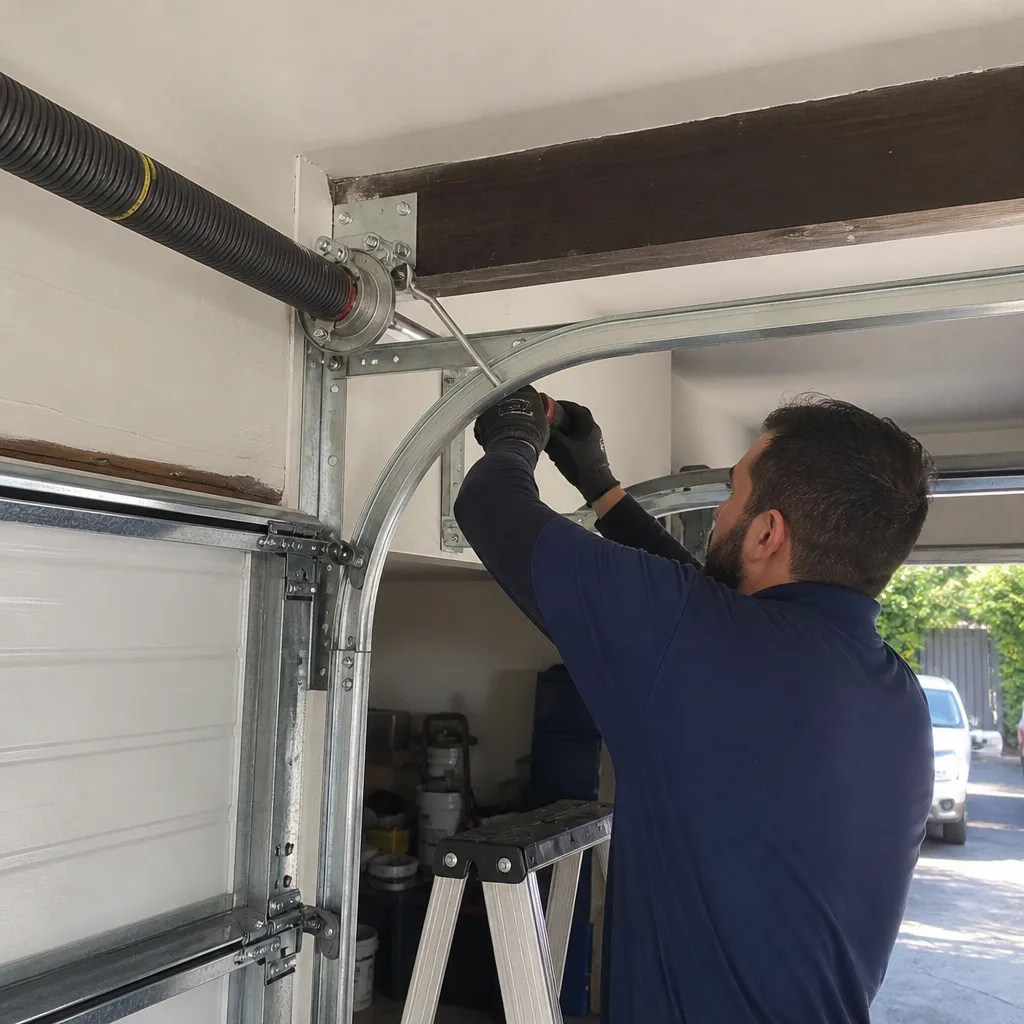 After
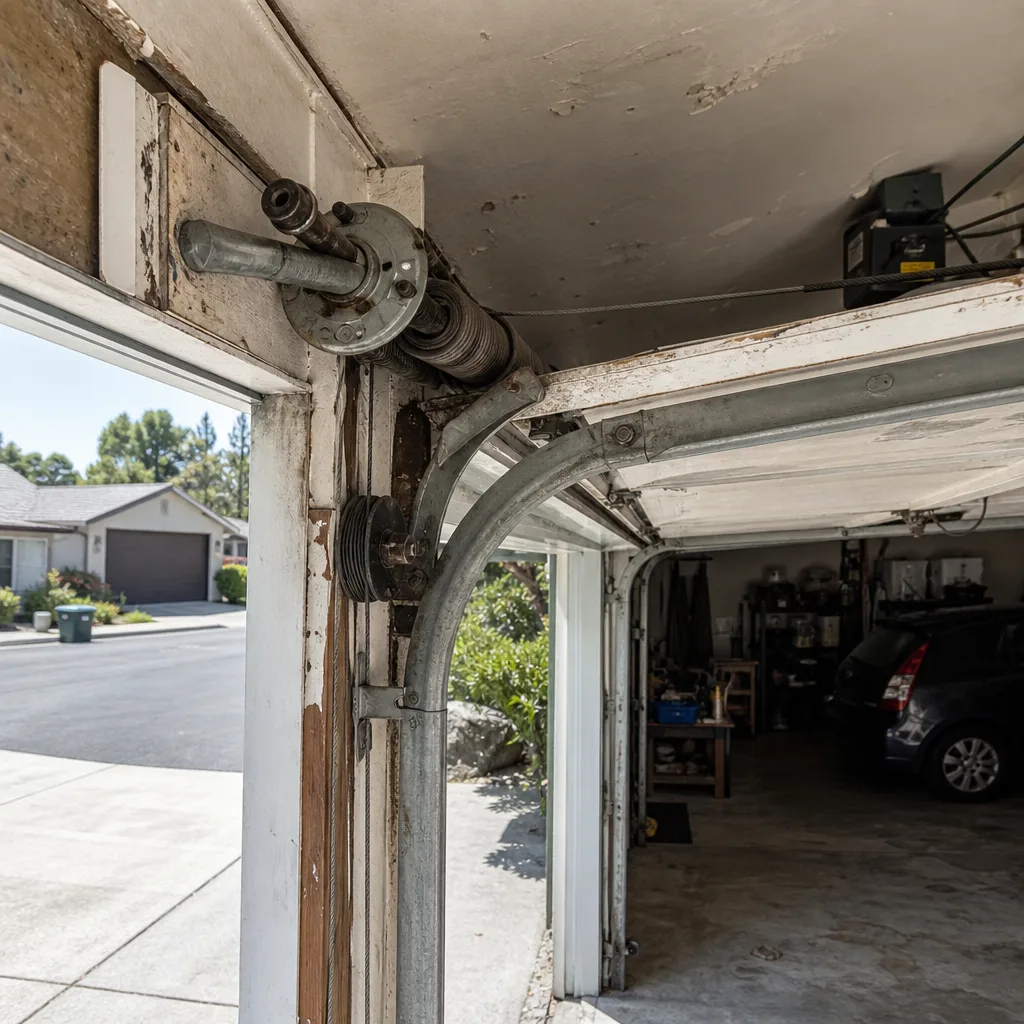 Before
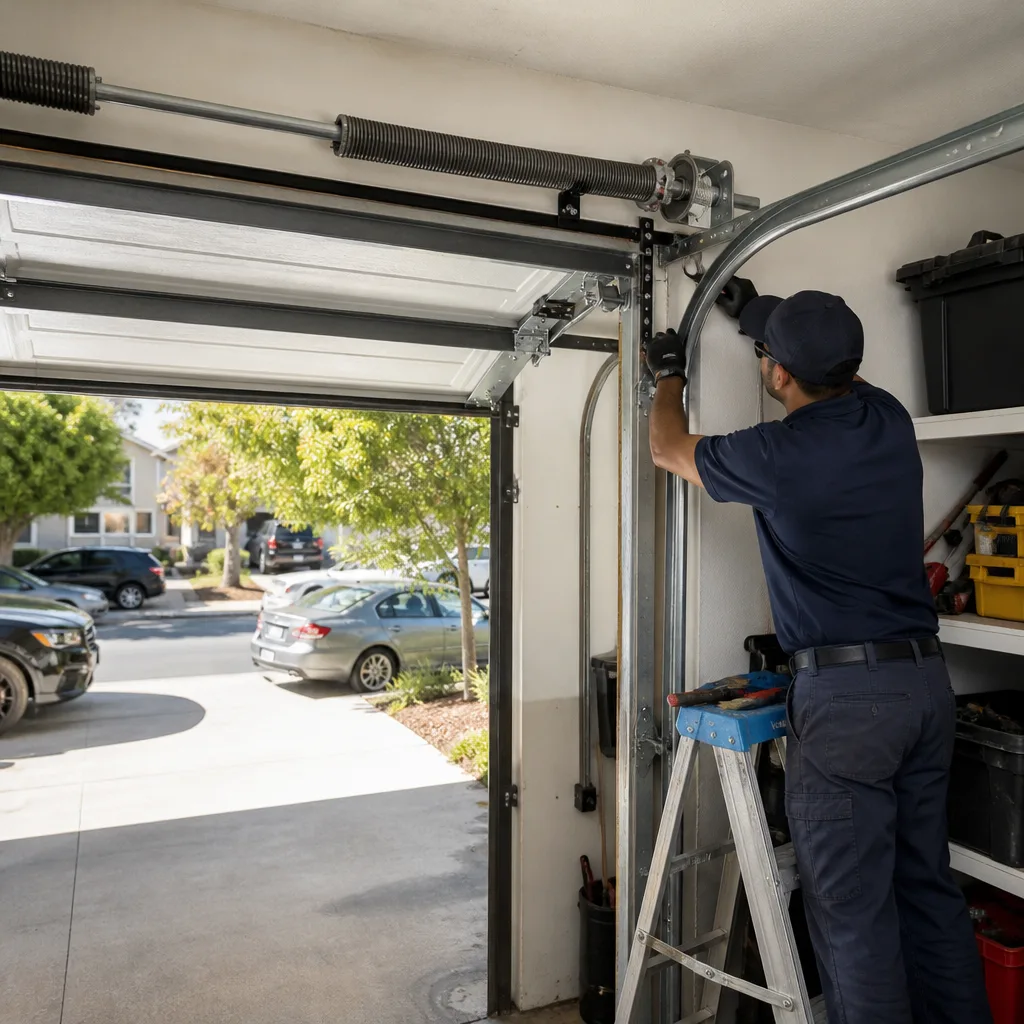 After
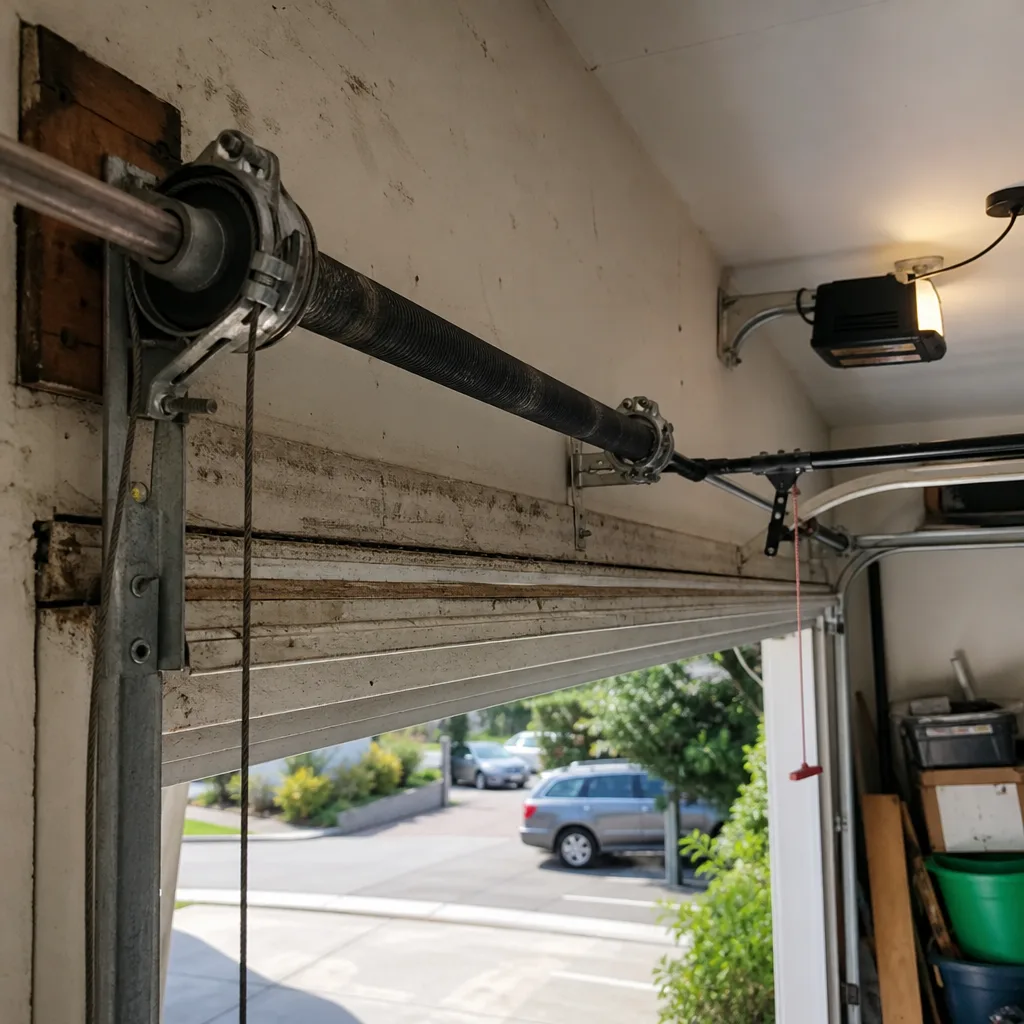 Before
 After
When to Call a Professional
Some garage door work is genuinely dangerous unless you have the training and tools. Torsion springs, lift cables, and anything involving the door’s balance system belong in this category. If your door will not open, opens crooked, makes a sharp snapping sound, or shows a visibly broken spring, stop using it and call someone who works on these systems every day. The same applies if the door falls faster than normal when you pull the release cord, which usually means spring failure. For guidance on handling these situations safely, see our Garage Door Emergency Preparedness Guide for West Hollywood Homes.
Gold Star Garage Door Service offers free estimates in West Hollywood. Call (866) 810-8325 and we’ll come out, diagnose what is actually wrong, and give you a written price before any work starts. We work on what you already have, across all eight major brands, and we never push replacement when repair is the right call.
Frequently Asked Questions
A new garage door in West Hollywood typically costs between $1,100 and $4,200 installed, depending on size, material, insulation, and whether you need a custom size for an older opening. Carriage-house steel doors run $2,200 to $3,500, while full-view aluminum and glass doors start around $3,000. Call (866) 810-8325 for an exact quote for your specific door and opening.
Yes, in many cases. If your property is in a West Hollywood historic district, a landmarked building, or an HOA-governed condo or townhome community, you likely need written approval before replacing the door. Check with the city’s planning division first if you own a single-family home, and check your CC&Rs if you are in an HOA.
Yes, we offer same-day and emergency service for many repairs in West Hollywood for issues like broken springs, off-track doors, and inoperable openers. Some jobs require parts that are not on the truck, but we carry components for eight major brands and can usually resolve the issue in one visit. Call (866) 810-8325 to check today’s availability.
No. We quote the price before any work begins and we do not change it after the fact. If the diagnosis reveals a second problem during the repair, we stop, show you what we found, and get your approval before moving forward. You know the number before the work starts.
Yes. Our trucks are stocked for the eight brands we service, including Wayne Dalton, LiftMaster, Chamberlain, Genie, Clopay, Amarr, and Craftsman, so many older West Hollywood doors and openers can be repaired on the first visit rather than waiting for parts.
A belt-drive or direct-drive opener is the quietest option for a West Hollywood alley-access garage where noise travels into neighboring bedroom windows. Genie and LiftMaster both make belt-drive smart openers that work well in this setting, and they pair correctly with most door types in the city.
The Bottom Line
A garage door in West Hollywood is a decision made at the intersection of architecture, zoning, and daily use. The right door for a Spanish Colonial on Harper is wrong for a mid-century dingbat on Kings Road, and the right opener for a quiet cul-de-sac single-family home is wrong for an alley-facing unit on a shared lot. Get the approvals first, choose the material and style that fits your building era, buy a belt-drive opener if anyone sleeps within 30 feet of the door, and budget for springs, rollers, and seals over the door’s 15-year life. Do that, and the door just works, year after year. Gold Star Garage Door Service serves all of West Hollywood with repair, opener service, and installation across all eight major brands. Call (866) 810-8325 for a free estimate before any work begins.
Written by the team at Gold Star Garage Door Service, serving West Hollywood since 2018.