
Last updated October 31, 2026
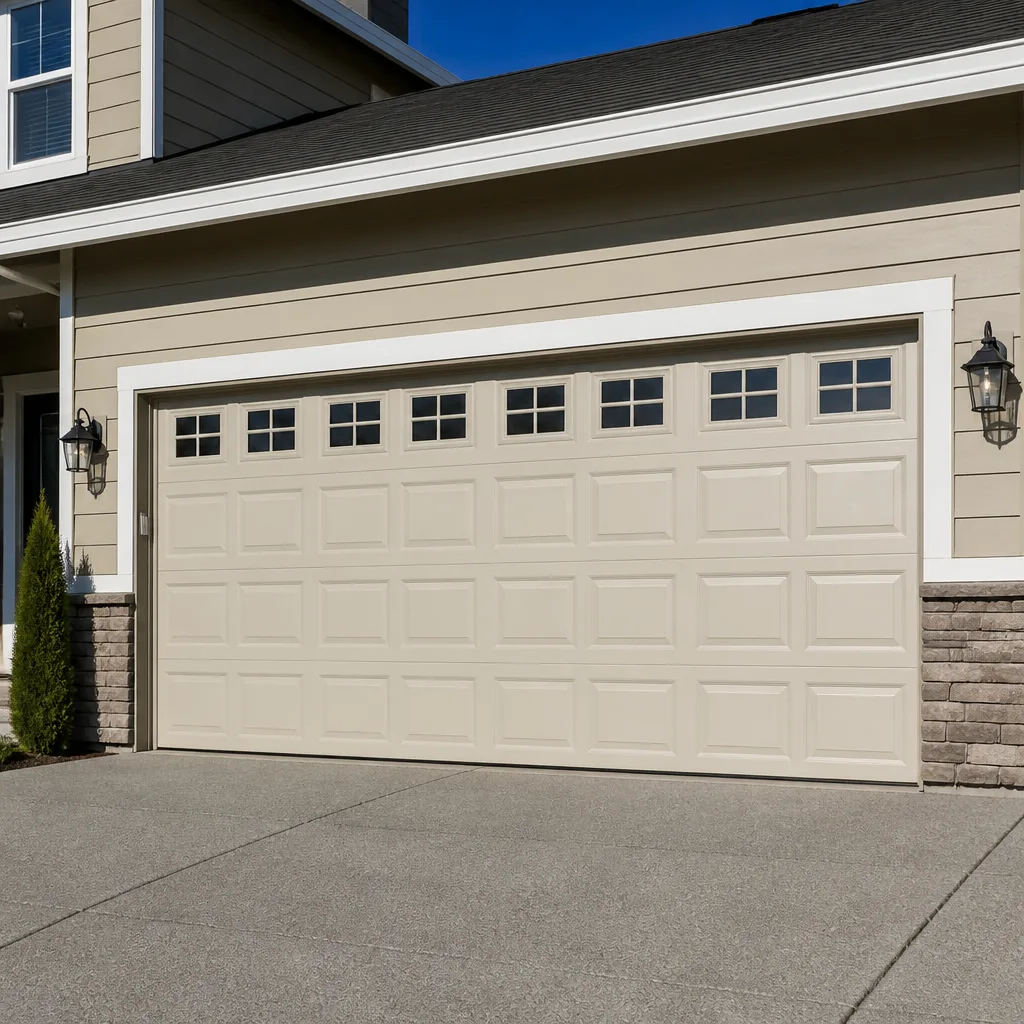 Raised-panel steel
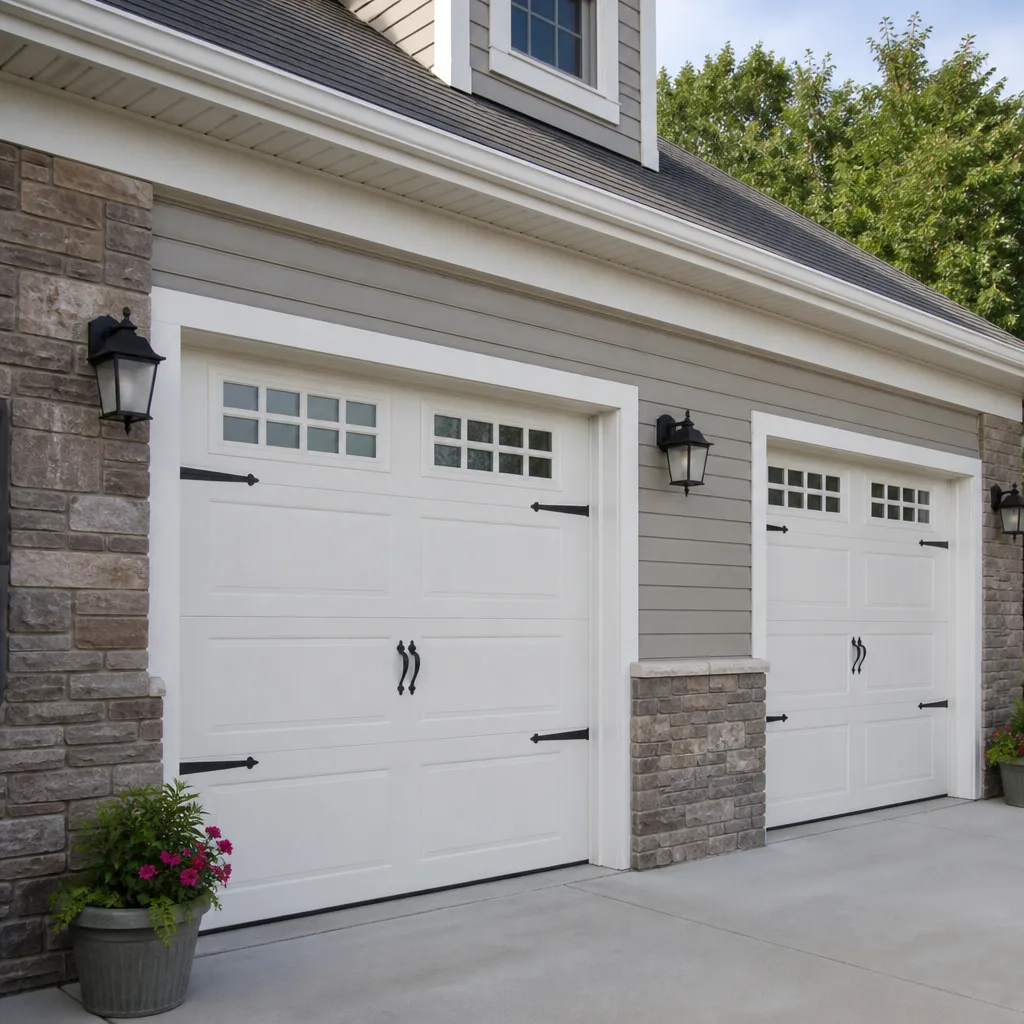
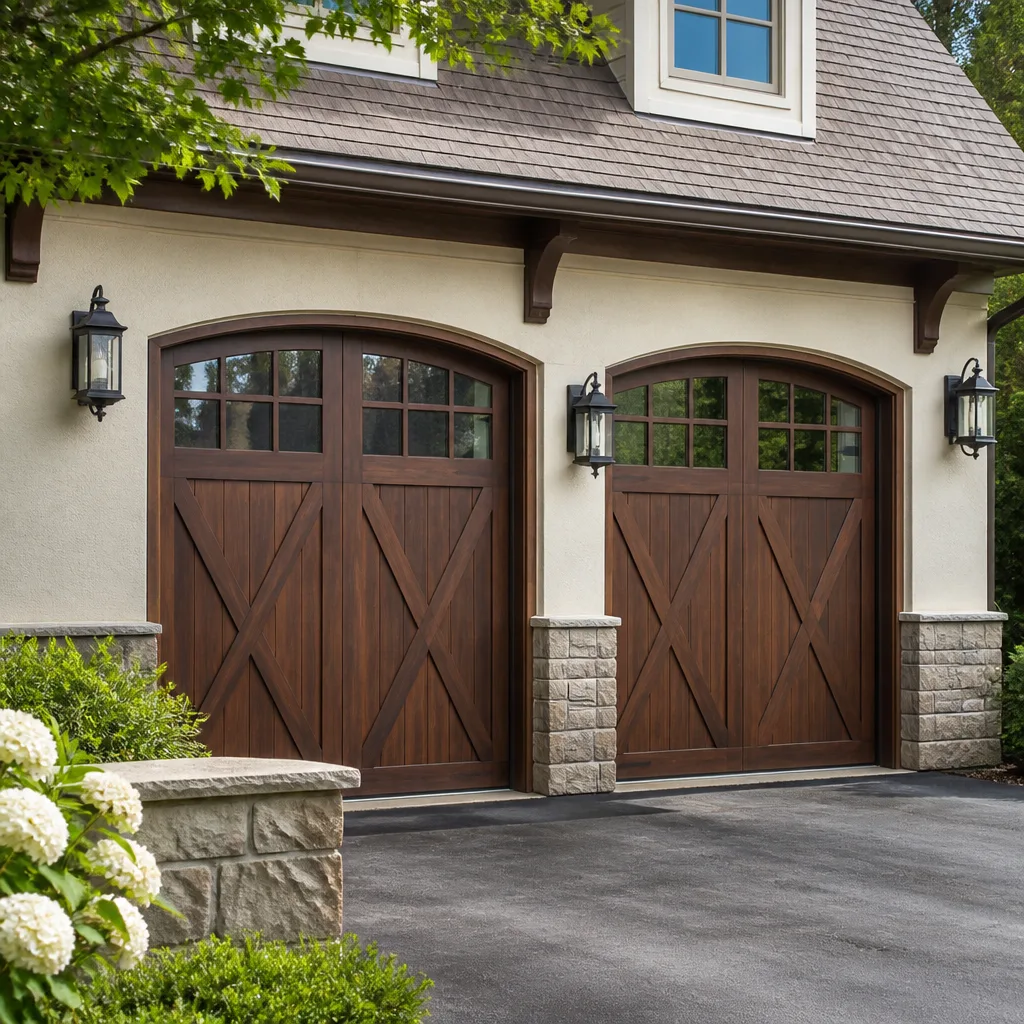 Carriage house
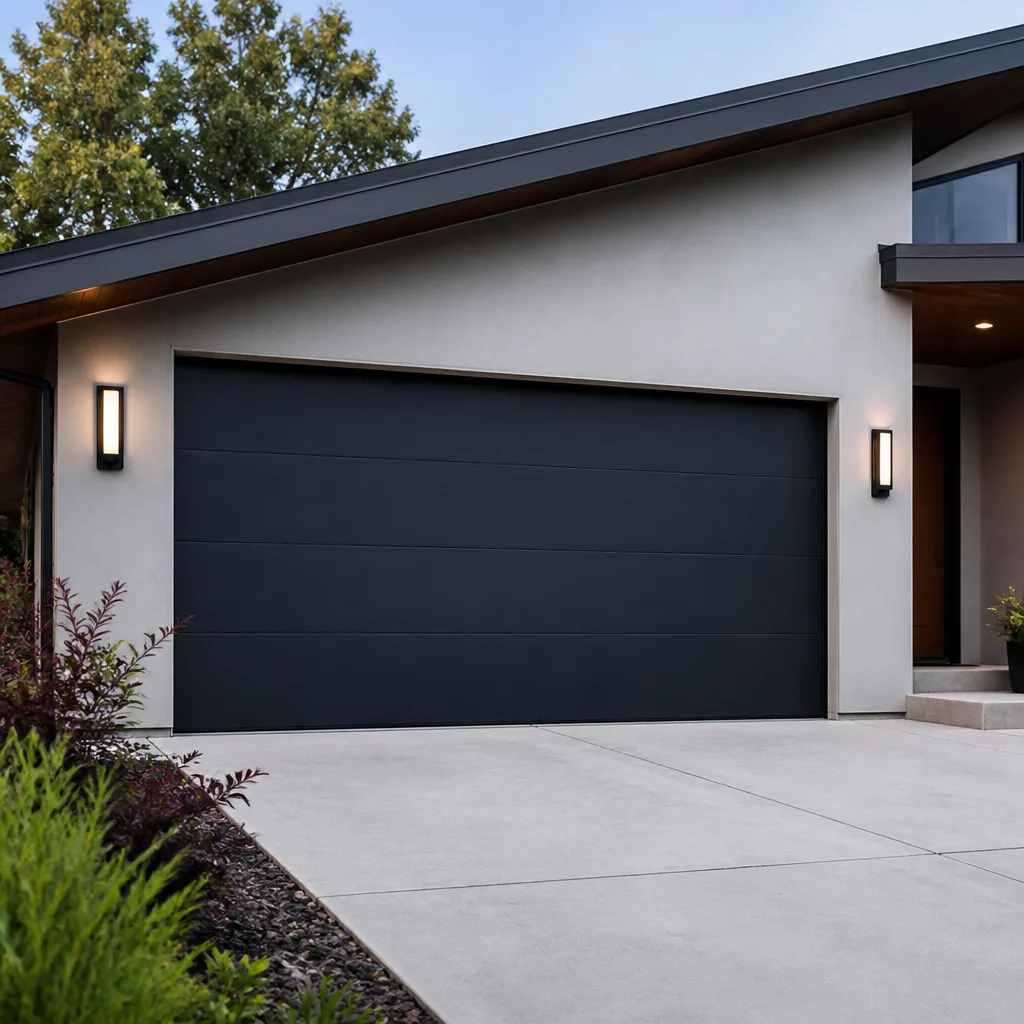 Modern flush
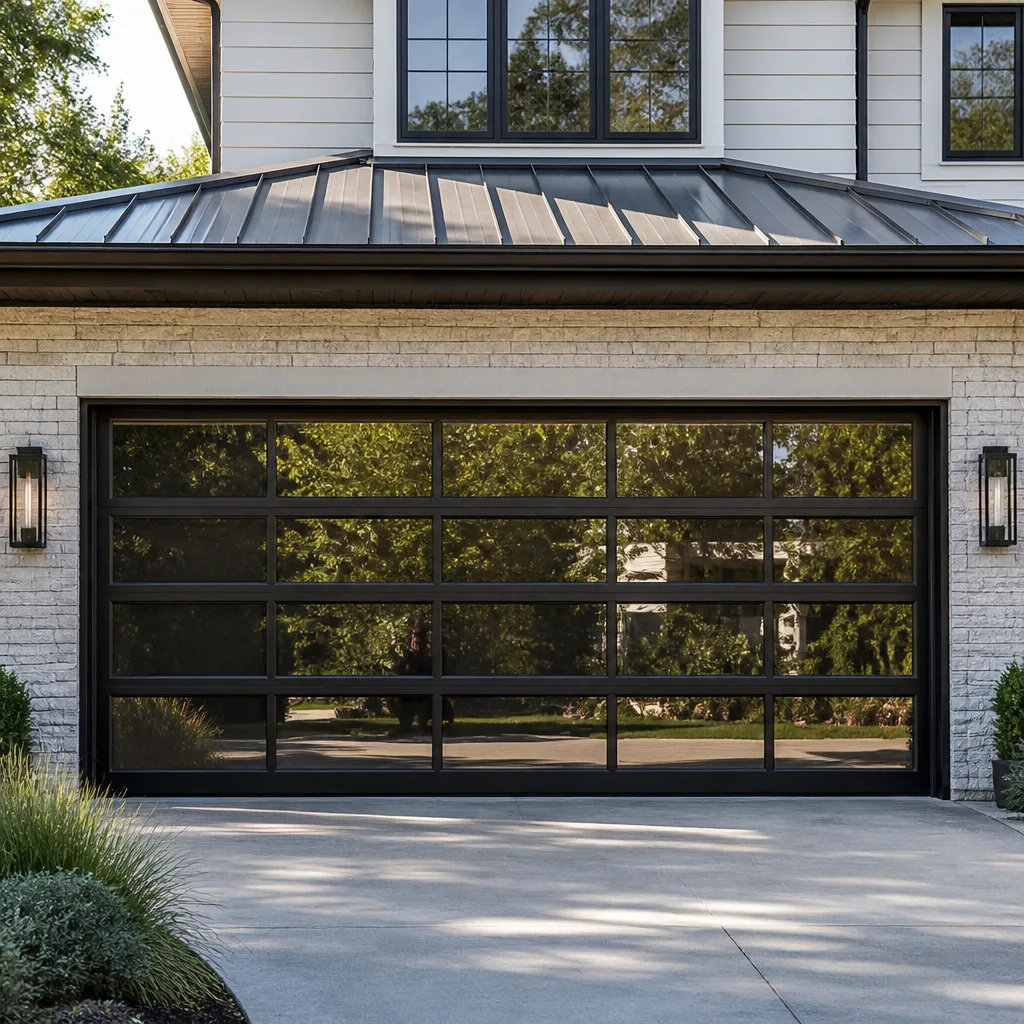 Full-view glass
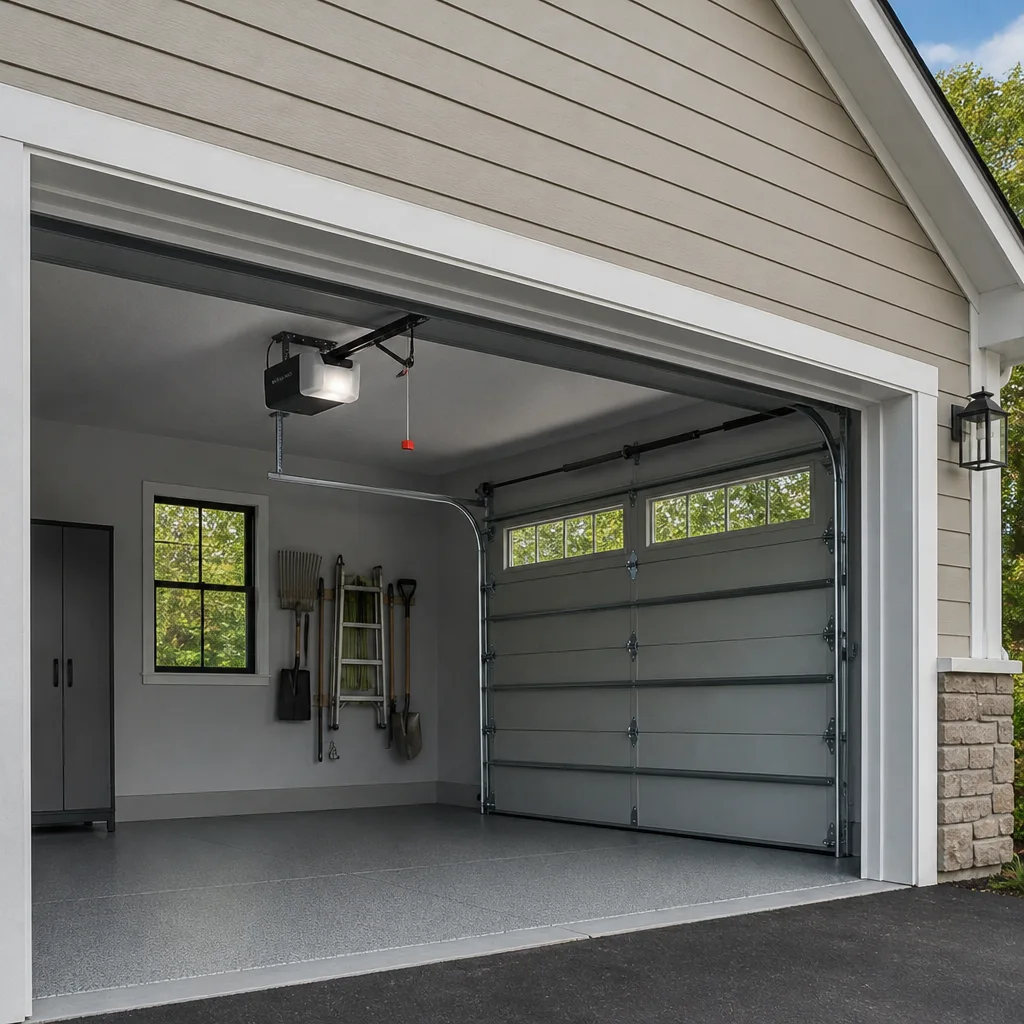 LiftMaster openers
 Chamberlain openers
Full 25-point door and opener safety check with every visit - springs, cables, rollers, tracks, and your LiftMaster or Chamberlain opener included
You get a price before we start. It does not change when the truck arrives.
Get your free estimateSeasonal Garage Door Care for West Hollywood: Year-Round Homeowner’s Guide
West Hollywood doesn’t have a winter, but it does have a wind season that can fold a lightweight aluminum door like a newspaper. Between the Santa Ana gusts that barrel through the canyons each October, the El Niño deluges that find every failed seal, and the June Gloom humidity that eats hardware from the inside, your garage door in West Hollywood faces a cycle of stresses no generic seasonal checklist ever addresses. This guide covers exactly what to inspect, when, and why, based on the local weather patterns we deal with every week of the year. For The Complete Guide to Garage Door in West Hollywood, see our expanded overview.
Styles & brands we work with
Quick Answer
Seasonal garage door care in West Hollywood means four distinct routines: pre-October Santa Ana wind hardening, January rain-seal inspection, May-to-July corrosion control for marine-layer humidity, and summer thermal expansion checks on sun-facing steel doors. For a deeper look at maintenance, read The Complete Garage Door Repair Guide for West Hollywood Homeowners. Most homeowners can handle monthly visual inspections and lubrication, but anything involving torsion springs, cables, or load-bearing hardware should be left to a professional: call (866) 810-8325 for a free evaluation.
Table of Contents
- Santa Ana Wind Season Prep: October Is the Real Deadline
- El Niño Rain Readiness: Seals, Thresholds, and Water Intrusion
- Summer Heat Peak: Thermal Expansion and Opener Thermal Cutoff
- June Gloom and Marine Layer Corrosion: The Humidity Window
- Post-Earthquake Inspection: What to Check Before Assuming the Door Is Fine
- A Monthly 10-Minute Garage Door Routine That Works in This Climate
- Common Mistakes to Avoid
- When to Call a Professional
- Frequently Asked Questions
- The Bottom Line
Santa Ana Wind Season Prep: October Is the Real Deadline
Ask any garage door repair in West Hollywood technician when the busiest week of the year is, and the answer will land somewhere in mid-to-late October. That’s when the first sustained Santa Ana event of the season arrives, and every door with a loose hinge, a worn roller, or a weakened strut makes itself known at once.
Santa Ana winds don’t blow constantly like coastal gusts do. They arrive in sustained bursts, shifting direction, often reaching 30 to 50 mph in exposed sections of the city, particularly along the foothill-facing streets north of Santa Monica Boulevard and in the flats where older construction puts garage doors directly at the end of long wind tunnels between buildings. A standard 16-foot-wide door presents roughly 112 square feet of surface area to that wind. In a 40 mph gust, that’s over 1,400 pounds of lateral force rocking the door in its tracks.
Which doors are most at risk
- Aluminum full-view doors common in mid-century modern homes and renovated properties. Lighter frames flex more and transfer more of the load into the hinges and rollers.
- Steel doors with only two struts. Many builders grade doors skip the third strut. That single omission is the difference between a door that bows under wind and one that doesn’t.
- Doors with extension spring systems rather than torsion springs. These older setups, still common on detached garages in West Hollywood’s 1960s-era complexes, let the door bounce more freely in its tracks.
A pre-October inspection sequence
- With the door closed, stand inside and push the center of the door by hand. If it flexes more than about half an inch, the door needs strut reinforcement or is showing age-related panel weakening.
- Check the hinge bolts where each panel meets. A loose hinge under wind load becomes a leverage point that bends the panel edge. You don’t need to tighten it yourself, just flag it.
- Listen for rollers chattering as the door cycles. The noise you hear in a calm garage is not the problem, the problem is what that same roller does when wind pushes the door sideways mid-cycle.
- Look at the top panel corners. Wind pressure concentrates there first. Cracks or rust blooms at the top corners mean the panel is already cycling through stress fatigue.
In our experience, the doors that handle Santa Ana season without incident are the ones whose owners do this check every September. The doors that fold or jump track are the ones that were never checked until the wind found the weak point first. Gold Star Garage Door Service is factory-familiar with Raynor and Clopay doors, among others, so when a strut or hinge spec needs checking against manufacturer tolerances, we know what the original engineering called for rather than guessing from a photo. If you’re selecting new hardware, our Choosing the Right Garage Door Brand: A Buyer’s Guide for West Hollywood covers what to look for.
El Niño Rain Readiness: Seals, Thresholds, and Water Intrusion
When an El Niño pattern sets up, West Hollywood doesn’t get drizzle, it gets hours of abrupt, dense rainfall. The Doheny Drive and Norma Triangle areas, with their mid-century garages frequently set at or below grade, take the brunt of water intrusion. A garage door that hasn’t leaked all year will suddenly let water run inside during the first heavy storm of a wet season, and by then the fix is no longer preventive.
Water intrusion through a garage door happens in three places: the bottom seal, the side weatherstrips, and the top jamb. In West Hollywood, where garages are commonly used as storage for furniture, vintage clothing, audio equipment, and occasionally converted living space, a few inches of water inside is not a cosmetic issue.
Bottom seal check before the first storm
- Run your hand along the bottom seal with the door closed on a dry afternoon. If it feels brittle, cracked at the ends near the tracks, or compressed flat, it has lost its ability to rebound.
- Look for daylight under the door. Any visible gap, even an eighth of an inch, will draw water in during wind-driven rain.
- Check whether the seal is the correct T-shaped type for your track. U-shaped seals on newer openers wear faster and need more frequent replacement.
- Test the threshold at the lowest corner of the garage floor. If water puddles against the door from the outside during rain, consider a proper rubber threshold strip as a second line of defense. It’s cheaper than structural floor work.
Side weatherstripping fails quietly. On many garage door installation in West Hollywood jobs, the original jamb seals were never upgraded from builder grade, and over a decade they shrink and leave gaps at the top corners where wind-driven rain enters. During the first heavy storm, run the back of your hand along the inside edge of the door up the track. If you feel air movement, water is getting in too.
One thing we see in this area more than most: garages that share a wall with the home’s living space show water damage along the baseboard nowhere near the door. Homeowners assume a plumbing leak or foundation crack. What actually happened is that water entered under the garage door, ran along the garage floor slab, and wicked into the shared wall assembly. Checking the bottom seal twice a year costs nothing compared to the remediation.
Summer Heat Peak: Thermal Expansion and Opener Thermal Cutoff
The west-facing garage doors on streets like Sherbourne and Kings Road absorb direct afternoon sun from roughly 2 PM until sunset through July, August, and September. A dark steel door in that position can easily reach 135 to 150 degrees Fahrenheit on the exterior surface. What happens next is predictable if you know the physics, and baffling if you don’t.
Steel expands when heated. A 16-foot steel door panel heating from 75 degrees to 145 degrees grows by roughly a quarter inch across its width. That doesn’t sound like much until you remember the door rides in metal tracks with tolerances measured in sixteenths of an inch. The expansion is absorbed at the panel joints, in the hinges, and at the roller mounts. Over a single summer, that movement loosens hinge screws and stretches roller stems. Over five summers, panels begin to bow outward in the middle where the heat load concentrates.
What to inspect in summer
- Panel warp: Sight down the door from the inside on a hot afternoon. Any panel that is not perfectly flat under expansion is telling you the steel is fatiguing.
- Paint or powder coat condition on the west face: Blistering, peeling, or chalk fading on a west-facing door in West Hollywood typically starts by year three on a budget door and year seven on a better one.
- Track alignment: Heat expansion can shift the vertical track positions by small amounts. If the door hesitates at the same point during opening on hot days only, the track spacing has moved.
- Lightly wipe exposed springs and cables with a dry cloth in May, before the humidity window opens.
- Apply a very light coat of a moisture-displacing lubricant to the springs only. Not WD-40, which dries quickly. A proper spring lubricant stays on the metal and leaves a protective film.
- Lubricate the rollers, hinges, and bearing plates with a garage-door-specific spray. This serves double duty: friction reduction and corrosion protection.
- Check the opener rail and chain or belt for oxide buildup. LiftMaster and Chamberlain units with exposed chains are more corrosion-prone than their belt-driven equivalents.
- Watch the door close from outside. Stand back and look at the panel seams. If any seam is now tighter at one end than the other, the door frame is racked, even slightly. That rack will wear rollers and hinges unevenly and eventually cause a derail.
- Cycle the door and listen. New rattles or a thunk at a specific point in the travel means something moved: a bracket, a track bolt, a spring anchor cone.
- Check the spring anchor brackets. On torsion spring systems, the anchor bracket at the center of the header is bolted through the wall. Seismic movement can loosen those bolts. A loose anchor under spring tension is a genuine hazard.
- Check the opener’s mounting bracket. The bracket that connects the opener rail to the header takes a beating during even moderate shaking. If it shifted, the opener will begin wearing the coupler at the rail joint.
- Look at the vertical track spacing. If the gap between track and door edge is wider at the bottom than the top on either side, the track was pulled out of alignment.
- Operate the door once and listen. Don’t look at your phone. Listen for new sounds: grinding, rattling, a speed change. The door tells you when something is changing if you let it.
- Check the door balance by hand. Disconnect the opener using the red release handle. Lift the door to about waist height. A properly balanced door stays put. A door that drifts up has too much spring tension. One that drops is under-tensioned and will wear out the opener motor early.
- Inspect the bottom seal. One minute, every month. Look for tears at the ends, excessive compression, and missing chunks. The seal is a consumable part, like windshield wipers.
- Check the cables with a flashlight. On the sides of the door, the lift cables should be smooth and tight. Fraying, rust bloom, or slack on one side means a cable is about to fail. Don’t touch the cables, just look.
- Test the auto-reverse safety feature. Place a roll of paper towels in the path of the closing door. The door should reverse within two seconds of contact. This is a safety check you should run monthly without fail, and it’s required by law for all openers, including Genie and LiftMaster models installed after 1993.
- Look at the photo eye sensors. Both should be lit, aligned, and clear of dust. Coastal grime accumulates on the lenses faster here than in the desert, it’s part of living near the marine layer.
- Skipping the September hardware check because “it’s still summer”. West Hollywood’s first Santa Ana can arrive by early October. Hardware inspections in November are watching the problem, not preventing it.
- Assuming a fresh bottom seal from any big-box store will fit. Seals come in widths, profiles, and durometers. The wrong one installs easily and leaks the first winter. Match the seal to your track type.
- Oiling the garage door tracks. The rollers have sealed bearings in modern doors. Oil in the tracks turns into a dust-catching sludge that actually increases roller resistance and shortens roller life.
- Ignoring rust on the springs because the door still works. Surface rust is cosmetic. Pitting is structural. If you can feel pits with your fingernail, the spring’s working life is already compromised and failure is a matter of cycles, not years.
- Running a weather-stripped door without checking for air sealing at the top of the track. Many homeowners in West Hollywood add bottom seals and side strips but never address the top jamb gap, where cold morning air and bugs get in during summer.
- Using the garage as a workshop without checking the opener’s duty cycle. Some older openers are rated for limited daily cycles. Running the door repeatedly all weekend on an older unit that is rated lower than the usage it’s getting shortens the motor life.
- Painting over rust on a west-facing steel door. Paint without surface preparation doesn’t stop corrosion, it hides it while the steel deteriorates underneath. If you’re painting a garage door in this city, strip the rust first or the next paint failure shows up looking worse than the first one.
Garage door openers have thermal cutoffs built into the motor. When the door is dragging due to expansion, the opener pulls more current. After enough overheating cycles, the board shuts the motor down mid-cycle. Homeowners often mistake this for a dead opener and replace the unit when the problem is a door that needs adjustment or hardware that needs lubrication. When you call for garage door opener repair in West Hollywood, a good technician checks the door itself before blaming the opener, something we do on every diagnostic call.
June Gloom and Marine Layer Corrosion: The Humidity Window
From late May into early July, the marine layer parks over West Hollywood for weeks at a time. Overnight humidity runs 80 to 90 percent, and daytime levels don’t drop much below 70 percent until the inversion burns off, which often doesn’t happen until noon or later. For garage hardware, this is the true corrosion season.
Rust on garage door springs and cables is a year-round issue near the coast, but it accelerates sharply during these six weeks. Bare-metal torsion springs develop a layer of surface oxidation that, over multiple June Gloom seasons, turns into pitting. Pitted springs are weakened at random stress points and break unpredictably under load. The same is true for cables, where rust pitting leads to fraying and eventual snap under tension.
What rust actually means for safety
We inspect springs in West Hollywood garages every week. A spring with light, even surface rust can often run for years. A spring with pitting, those little moon-crater spots you can feel with a fingernail, is a failure waiting for a specific day. The fracture doesn’t announce itself beforehand. The door simply lets go, often when the spring is under maximum extension during an unloaded cycle. When a torsion spring snaps, it releases stored energy violently inside the mechanism, and if you are standing next to the track, you are in the path of that energy.
Corrosion prevention that works here
If you plan to have the door serviced, late spring is the best time in this city. The work gets ahead of the humidity window instead of reacting to a broken spring in August.
Post-Earthquake Inspection: What to Check Before Assuming the Door Is Fine
West Hollywood sits in a seismically active zone, and a garage door is one of the few moving structures in your home that can sustain earthquake damage without showing it immediately. After any temblor strong enough that you felt it strongly, it’s worth three minutes of checking before you assume the door is unchanged.
Run the door manually after an earthquake if you can, with the opener disconnected. If the door binds or feels heavy, don’t force it. Call a professional and describe what you’re feeling. We’ve found that most earthquake-related garage door failures in this area are not dramatic, they’re slow: a track shifted half an inch, a roller riding at the edge of its travel, and then three months later the door derails when the roller finally walks out.
Gold Star Garage Door Service home is an excellent starting point for understanding the scope of what we handle across all three service lines.
A Monthly 10-Minute Garage Door Routine That Works in This Climate
You won’t prevent every issue, but a simple monthly pass catches most problems while they’re still cheap to fix. Here’s the routine we recommend to our West Hollywood customers, tuned to the realities of this climate rather than a generic seasonal checklist.
Ten minutes a month is genuinely all this takes. The trick is consistency. A door that gets monthly eyes on it rarely surprises you. The doors that fail catastrophically are almost always on garages that hadn’t been looked at beyond the opener button in years.
Common Mistakes to Avoid
When to Call a Professional
You should call a professional technician any time the garage door involves high-tension parts. Torsion springs, lift cables, and extension spring systems are under enough stored energy to cause serious injury if they let go while you’re working on them. Do not attempt to remove, adjust, or replace these parts yourself. If you notice a spring with visible pitting, a cable with fraying, or a door that is suddenly heavy to lift manually, stop using the door and call.
You should also call when your door is racked after an earthquake, when track alignment has shifted, or when the door is binding in a way you can’t diagnose visually. We inspect all of it honestly and tell you what actually needs fixing versus what can wait. Gold Star Garage Door Service offers free estimates in West Hollywood. Call (866) 810-8325 and we’ll schedule a visit.
Frequently Asked Questions
A basic seasonal inspection and lubrication service in West Hollywood typically runs between $95 and $175 depending on door size, age, and whether any minor adjustments like track realignment or seal replacement are needed. The exact price is quoted and agreed before any work starts.
Yes. We’re factory-familiar with Chamberlain, Genie, LiftMaster, and other major brands, and we service what you already have rather than pushing a replacement. If we can repair your opener honestly and economically, we’ll tell you so. Call (866) 810-8325 for a free quote on opener diagnostics.
Lubricate the rollers, hinges, and bearing plates every six months in West Hollywood, increasing to every four months if your door is exposed to the marine layer or you live within a mile of the coast where overnight humidity is highest. Use a garage-door-specific lubricant, not general-purpose oil.
No. Once you accept the quote, the number we gave you is the number on the invoice. Seasonal inspection, lubrication, and minor adjustments are straightforward jobs. If we find something during the visit that needs additional work, we’ll show you, explain it, and give you a separate price before doing anything extra.
We stock the most common springs, seals, rollers, hinges, and struts for doors in the brands we service, including Raynor, Clopay, Amarr, and Wayne Dalton. If a part is unusual or specific to your door’s odd dimensions, we’ll source it and return to install it as soon as it arrives.
No. Pitting on a torsion spring or extension spring is structural damage, not cosmetic. The spring can fracture without warning under ordinary use, and the stored energy release is dangerous to anyone nearby. If you see pitting on a spring, stop using the door and call a professional. Call (866) 810-8325 and we’ll come out to inspect.
Yes. Storm response and post-earthquake inspections are something we handle routinely in West Hollywood. If your door is compromised and you can’t securely close your garage, call (866) 810-8325 and we’ll make you a same-day priority.
The Bottom Line
Your garage door in West Hollywood doesn’t need a spring overhaul and a fall checklist, it needs four climate-specific routines: wind hardening before October, seal inspection before the first heavy rain, humidity-era corrosion control in late spring, and heat expansion checks through summer. Most of this is visual and takes minutes a month. The rest is knowing when to stop looking and call someone who works on your brand of door and opener every day. That’s the part we handle. Call (866) 810-8325 for a free estimate, and we’ll help you keep your door running through every season this city actually has.
Written by the team at Gold Star Garage Door Service, serving West Hollywood since 2018.
See the difference
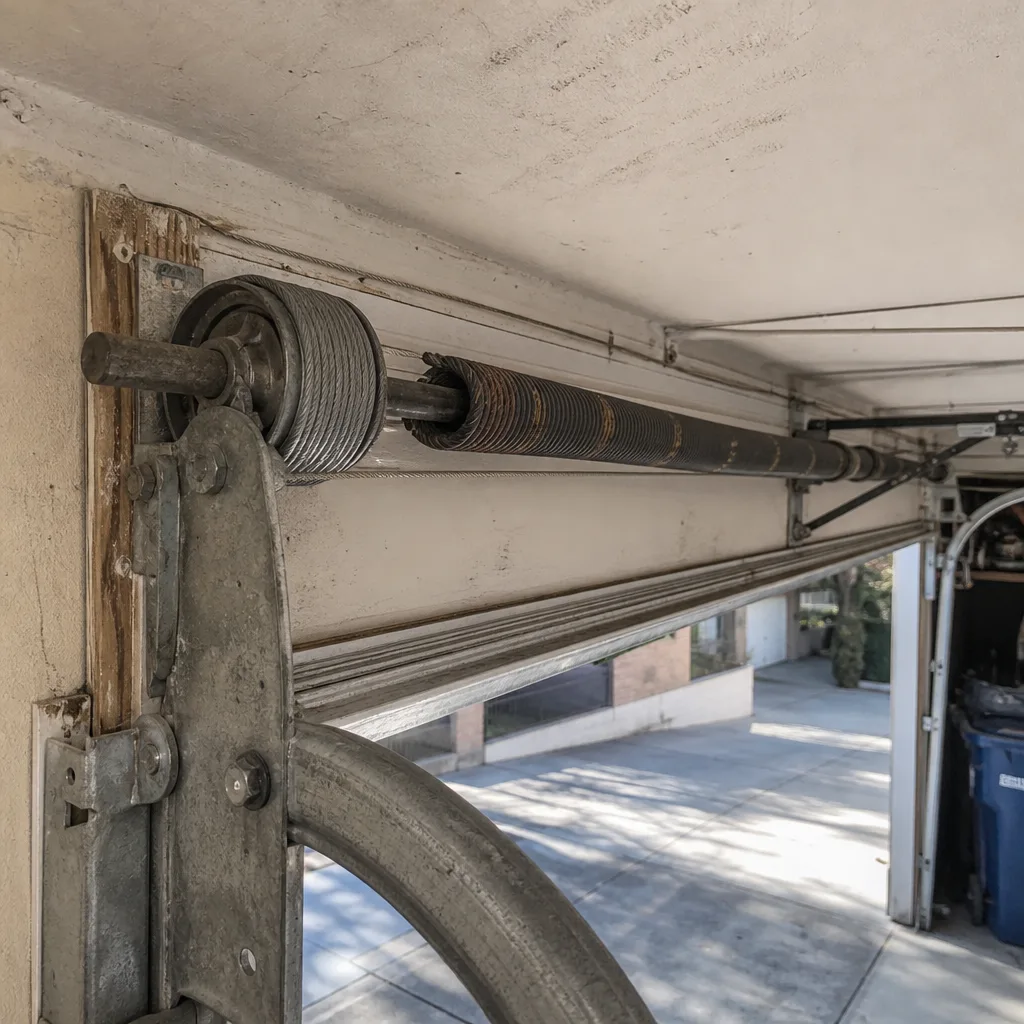 Before
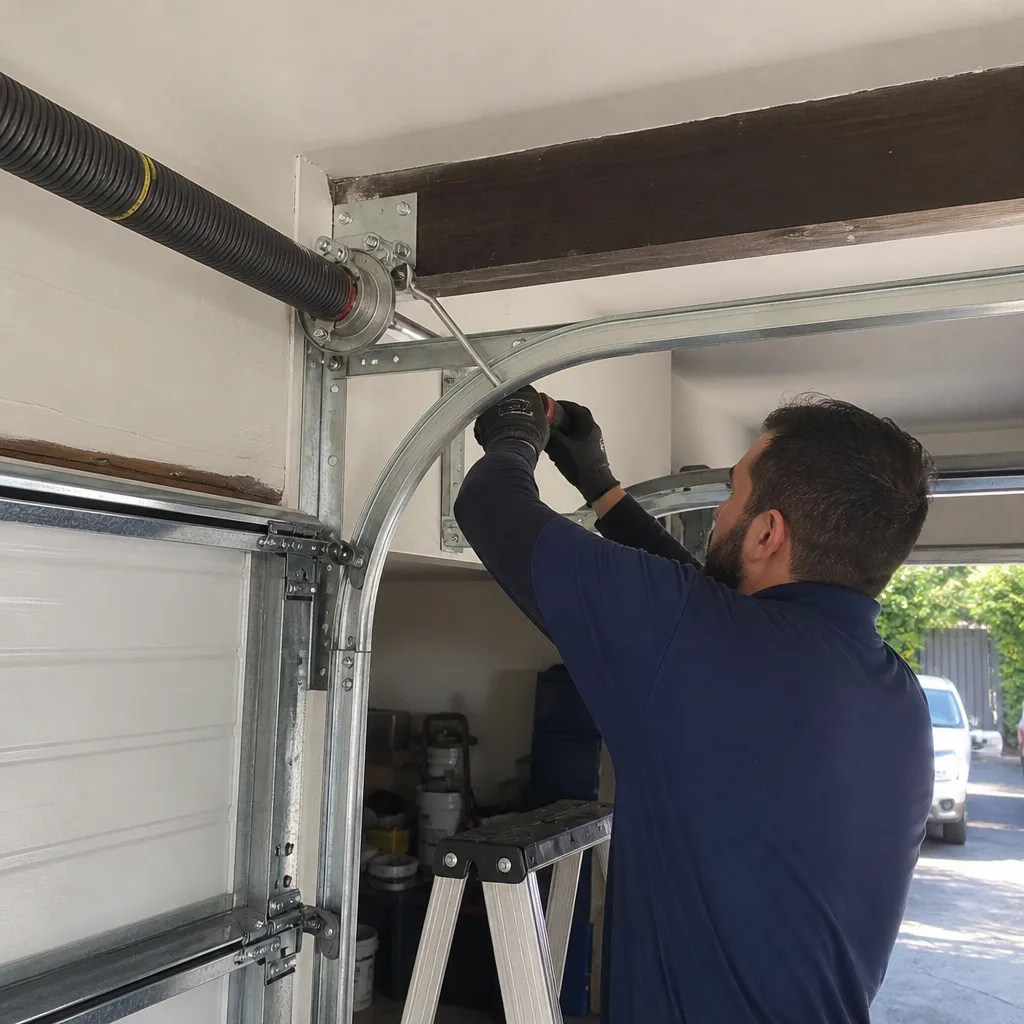 After
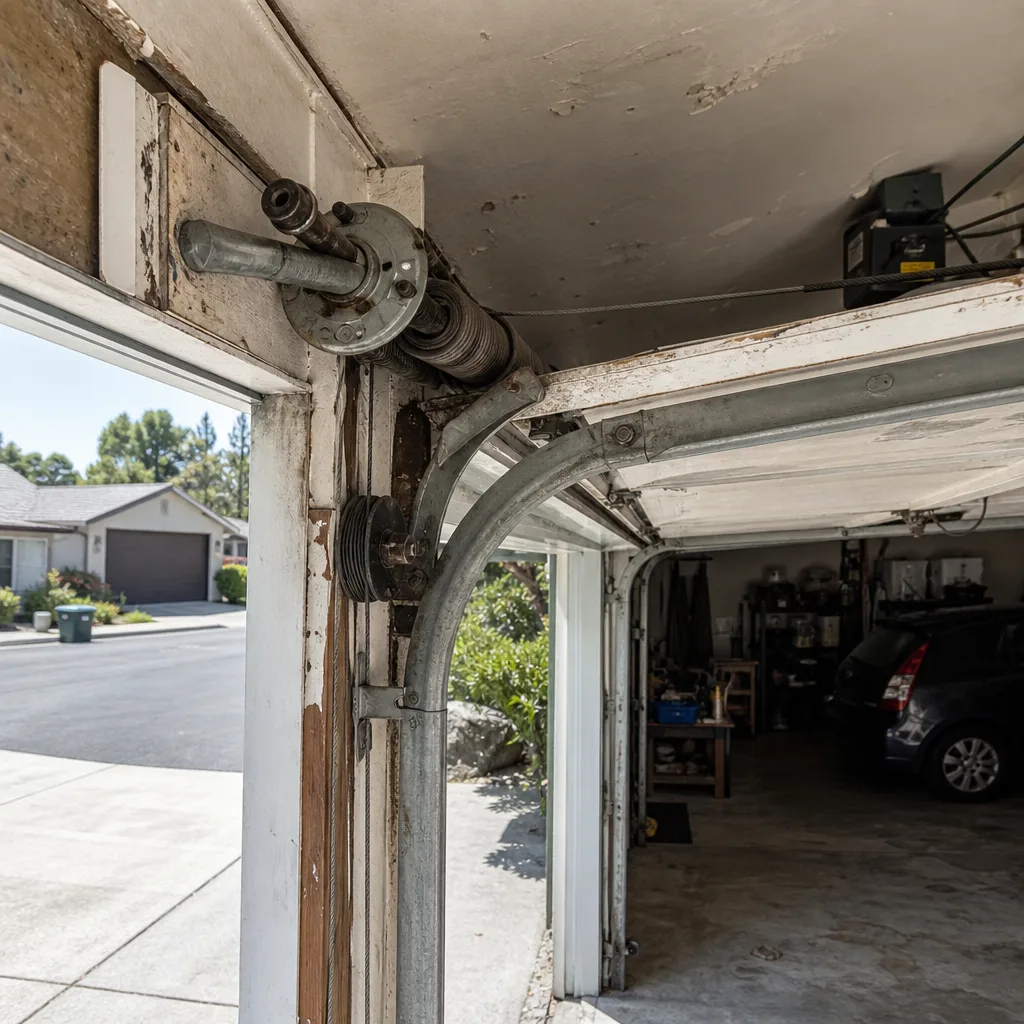 Before
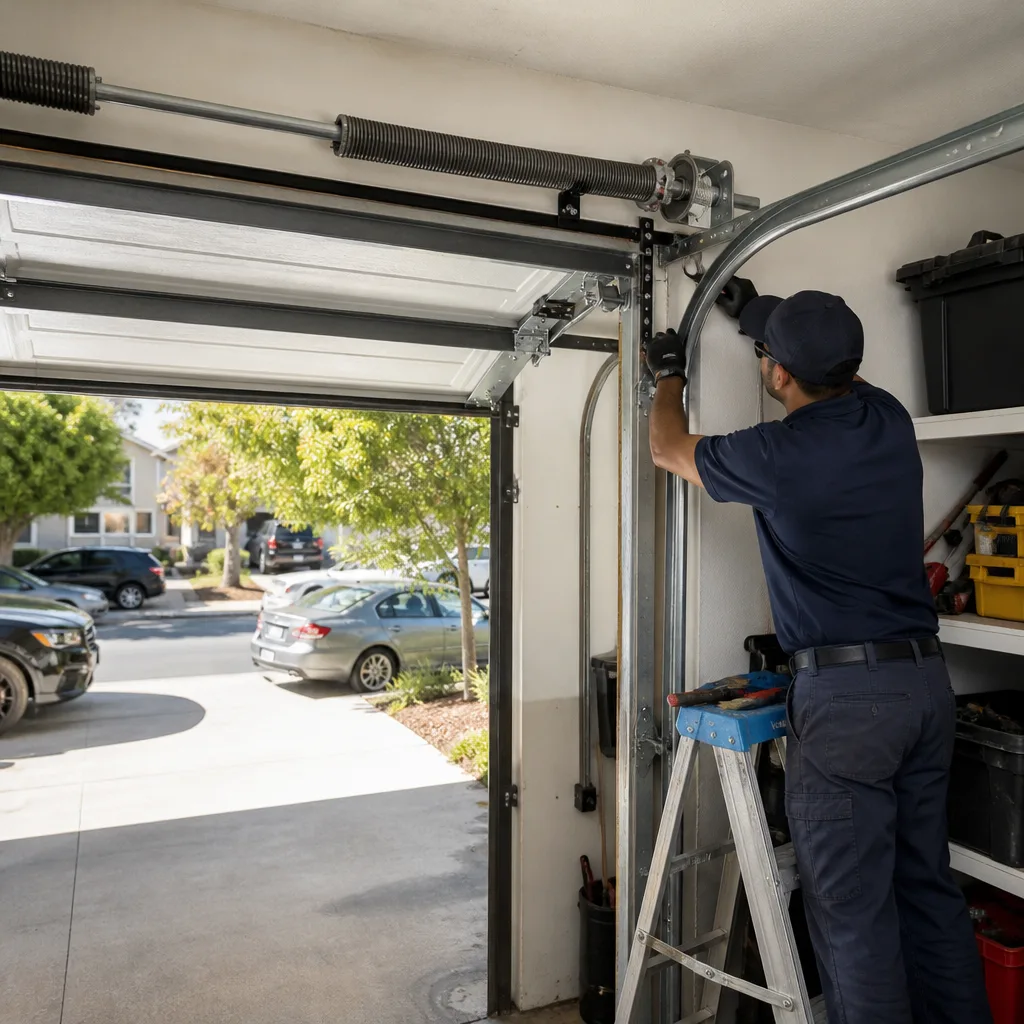 After
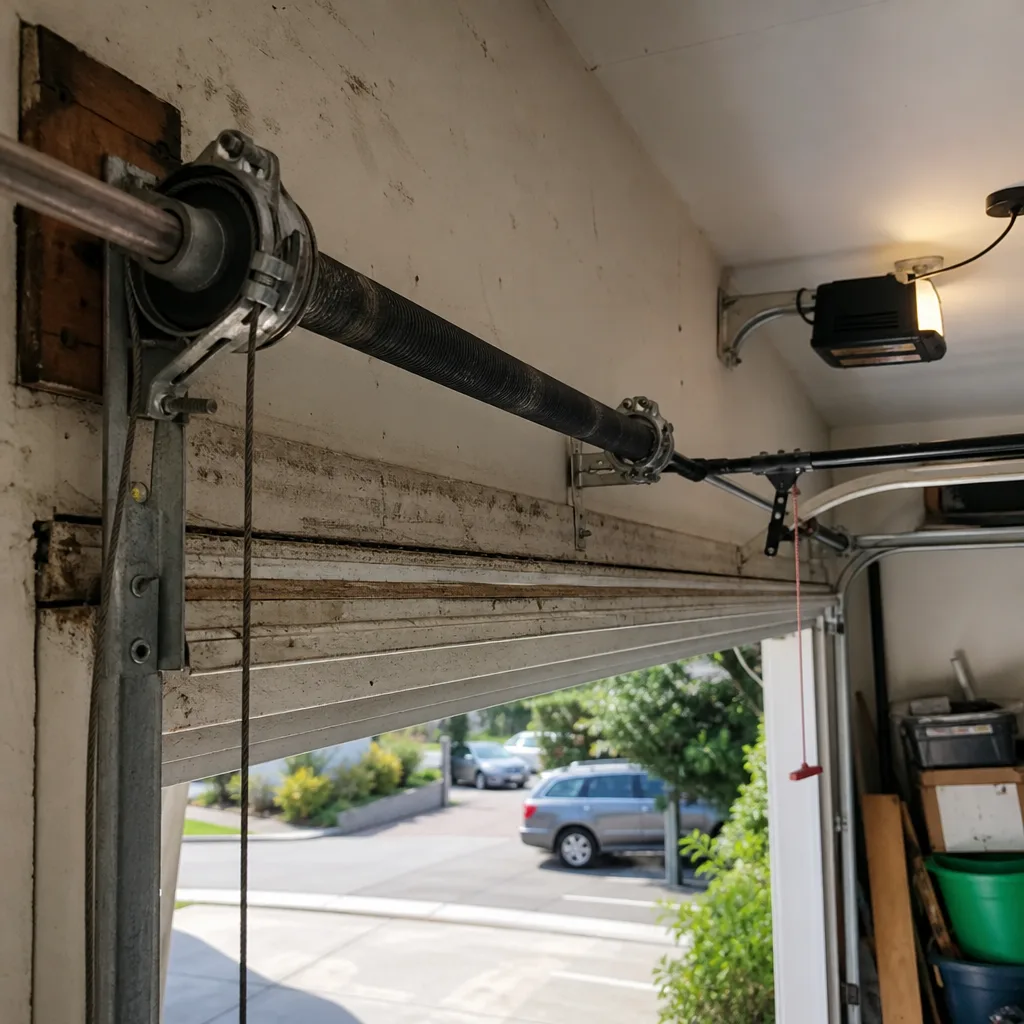 Before
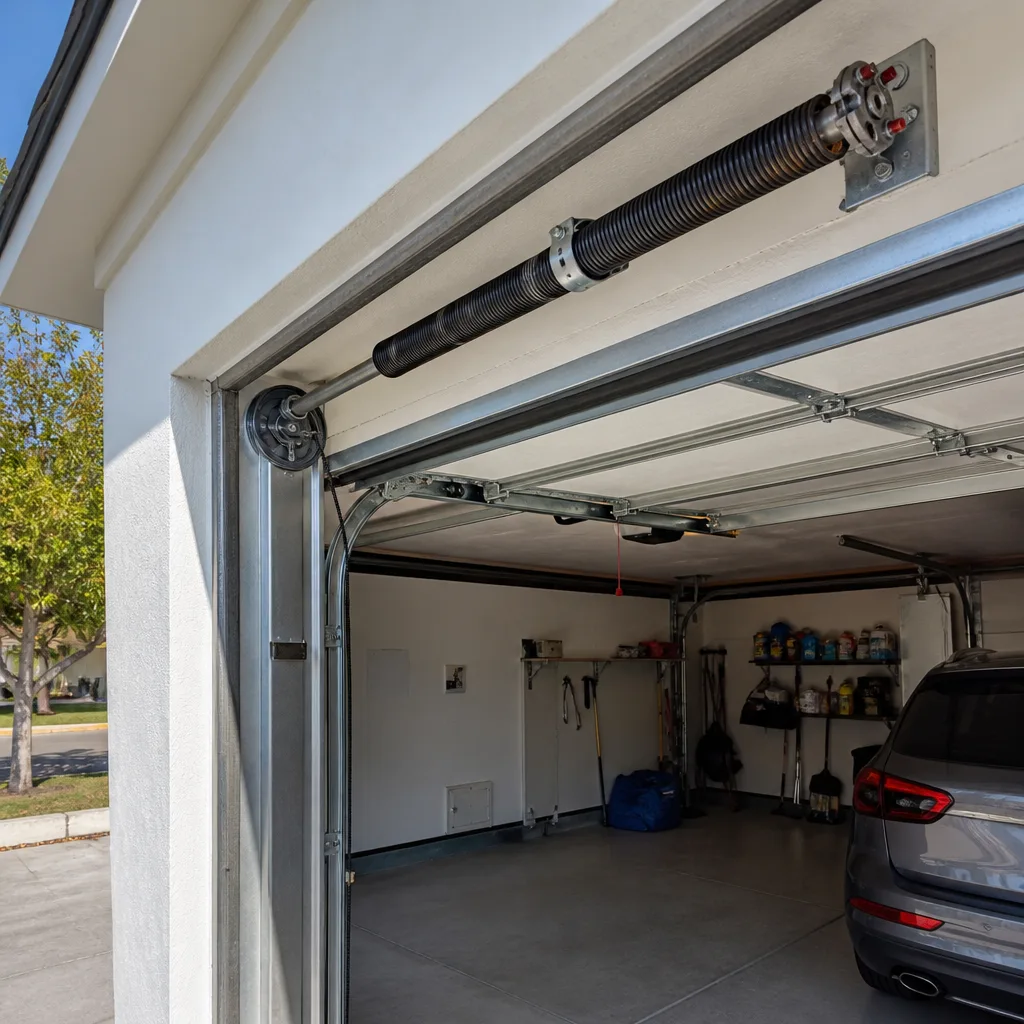 After