
Last updated October 31, 2026
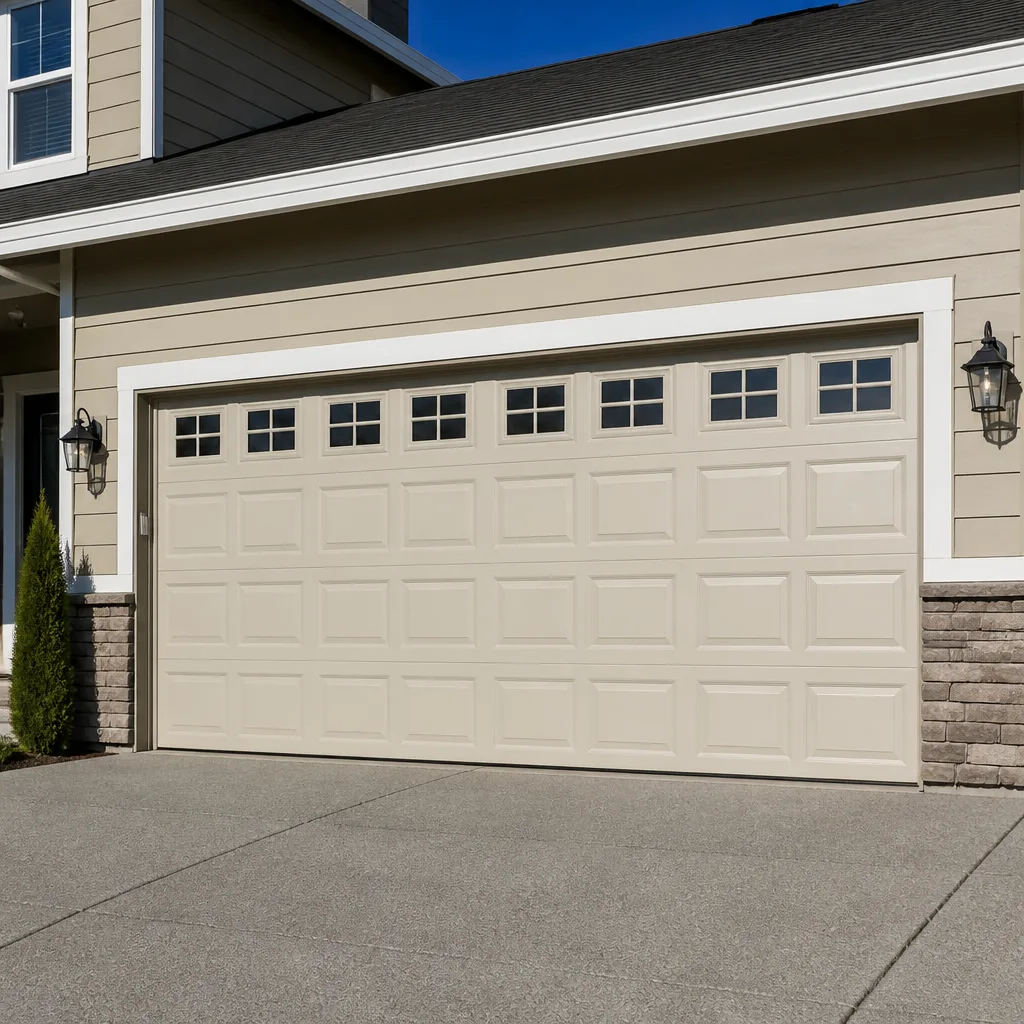 Raised-panel steel
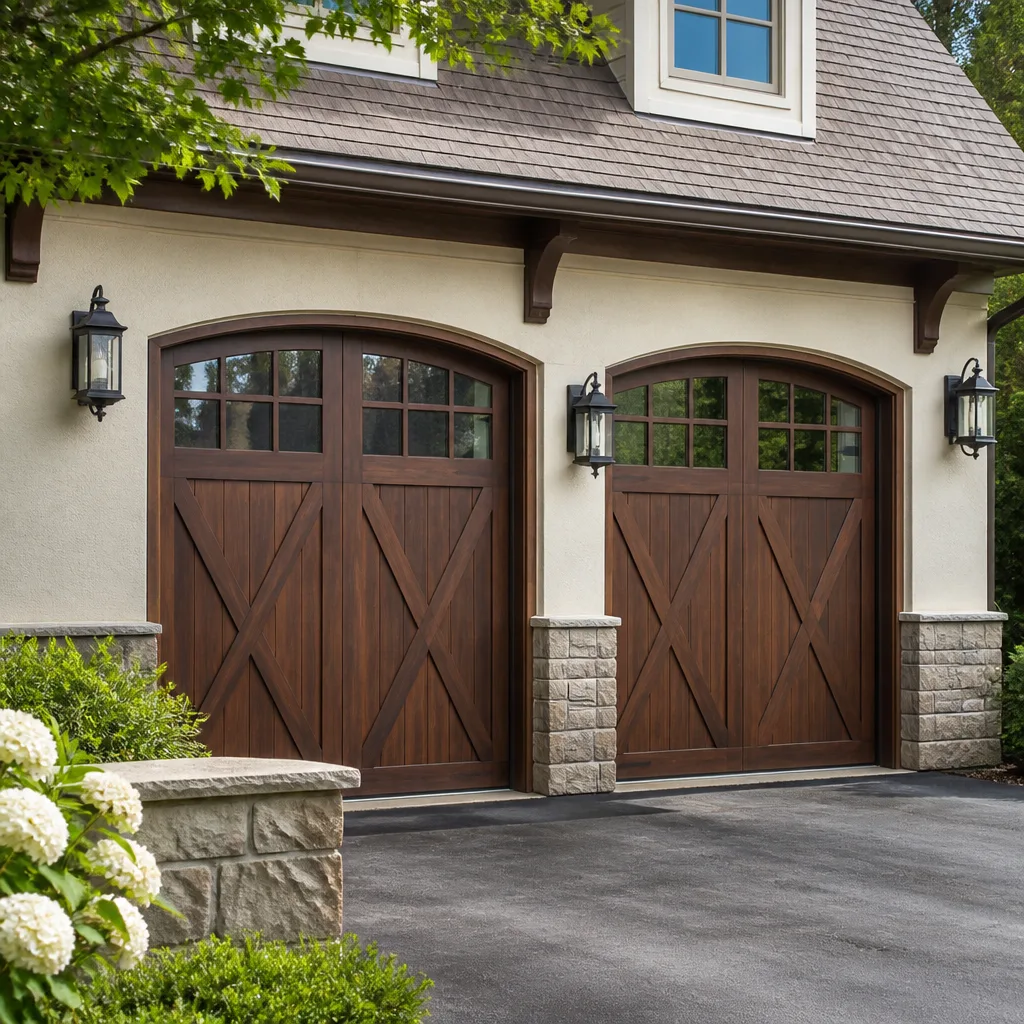 Carriage house
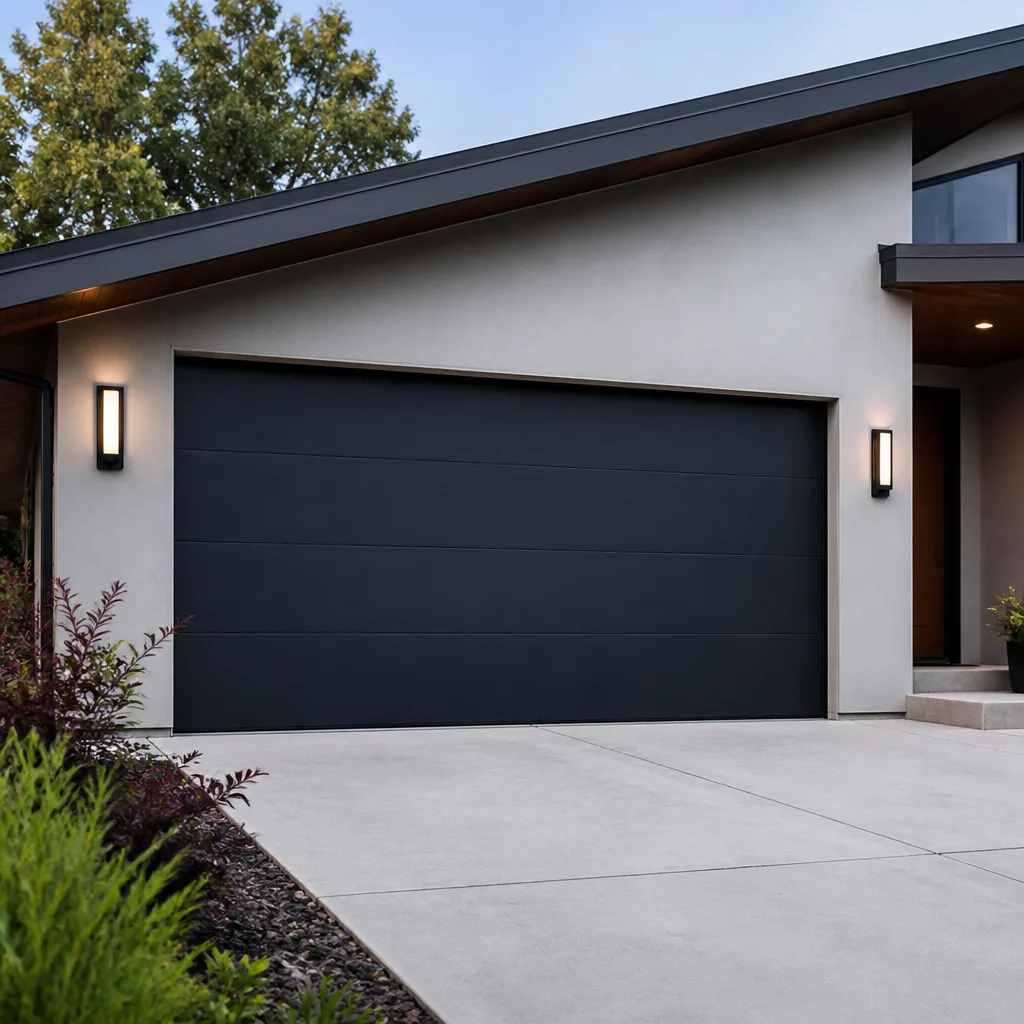 Modern flush
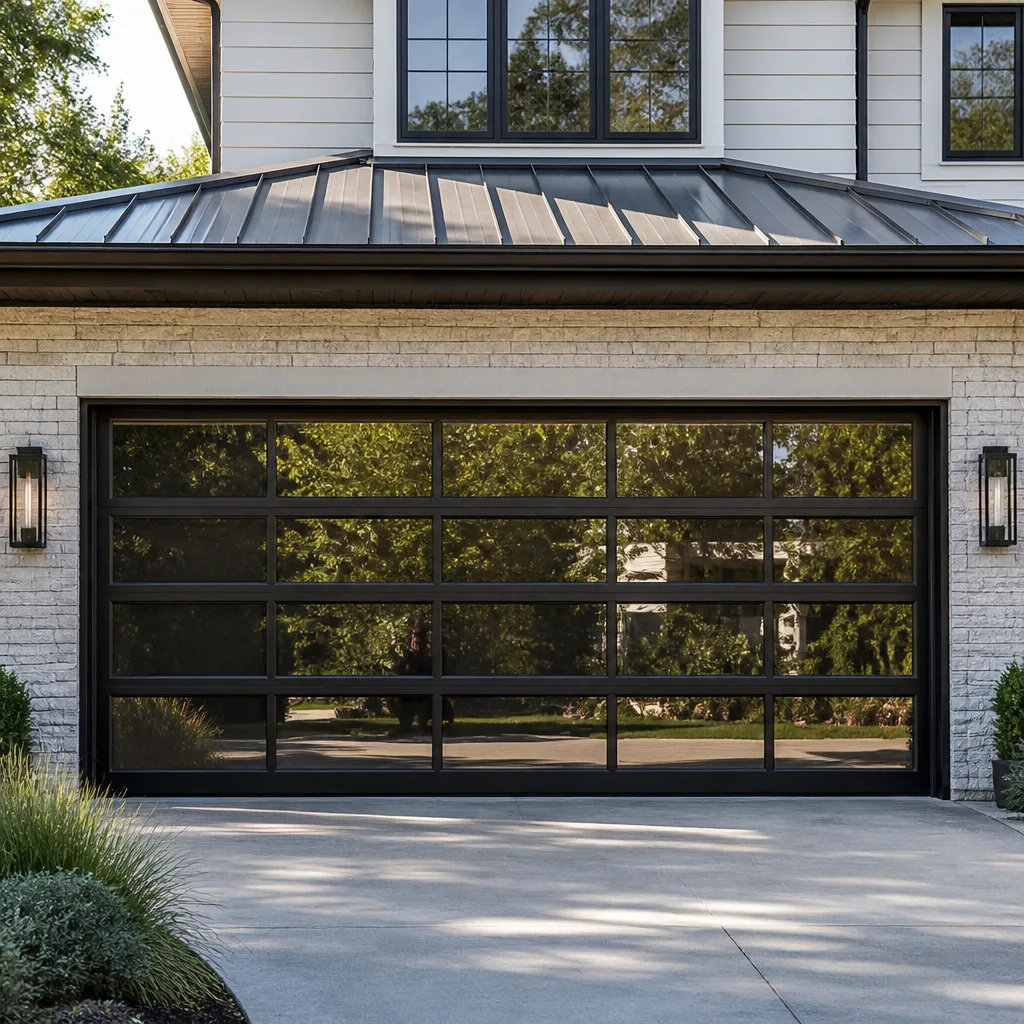 Full-view glass
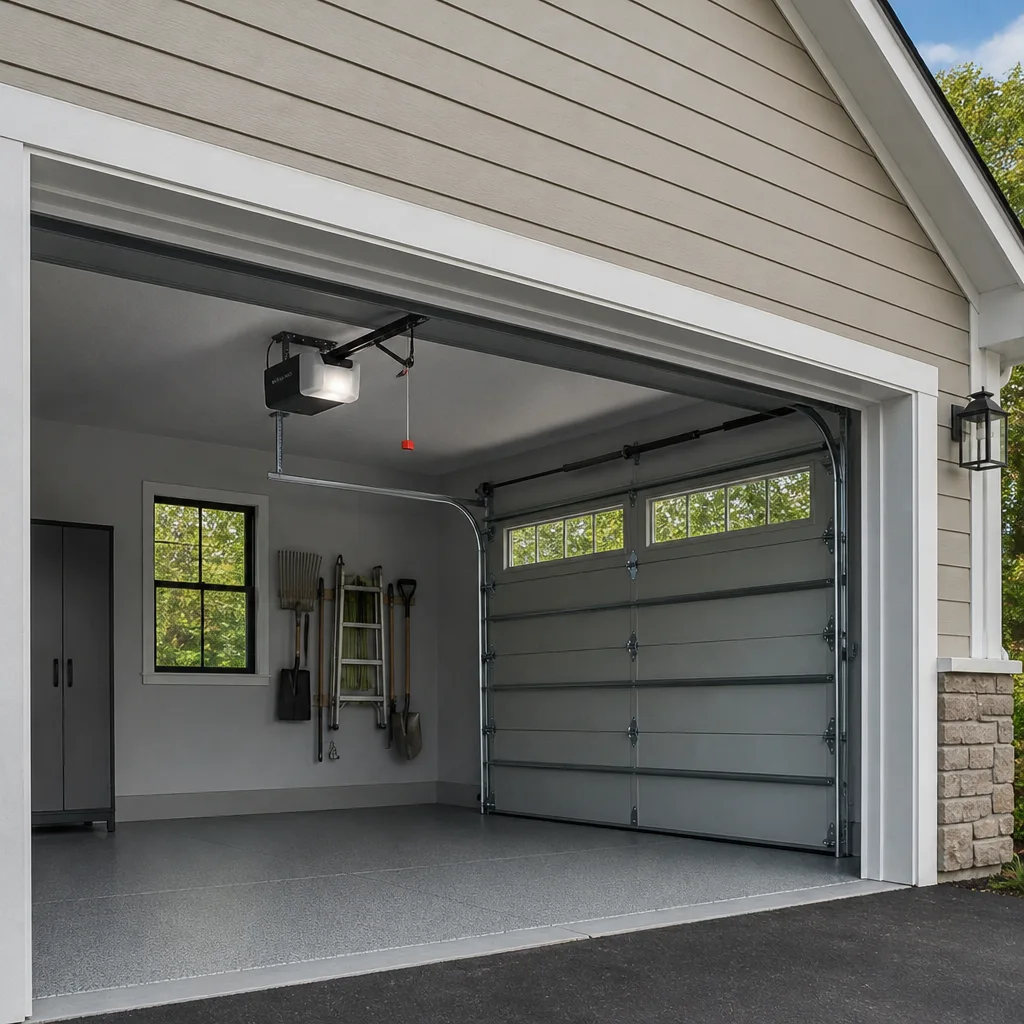 LiftMaster openers
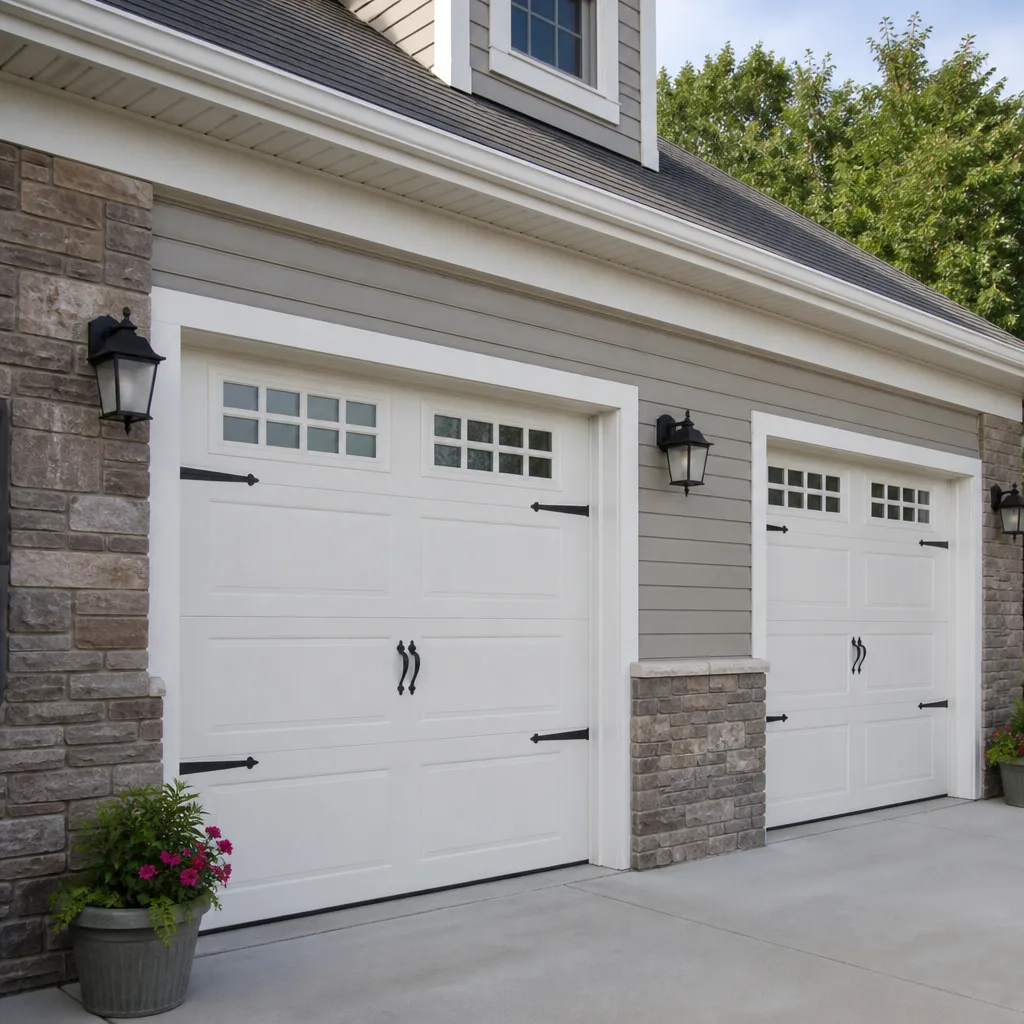 Chamberlain openers
Full 25-point door and opener safety check with every visit - springs, cables, rollers, tracks, and your LiftMaster or Chamberlain opener included
You get a price before we start. It does not change when the truck arrives.
Get your free estimateGarage Door Repair Maintenance Checklist for West Hollywood Homeowners
The number-one reason garage doors fail prematurely in Southern California isn’t age, and it isn’t manufacturing defects. It’s the assumption that because nothing freezes, nothing needs maintenance. Technicians who work across the West Hollywood area see more neglect-driven spring failures, UV-cracked weather seals, and loosened track hardware than almost any other failure category, and nearly all of it was preventable with a fifteen-minute seasonal check. This guide is built for the specific failure patterns of West Hollywood’s mild, dry climate: the sun damage, the seismic micro-movement, the dust that gums up rollers, and the deferred lubrication that turns a $40 bearing into a $400 repair. You’ll leave with a clear maintenance routine, the safety tests every homeowner can run, and an honest boundary between what you should handle yourself and what belongs in the hands of a trained technician.
Styles & brands we work with
Quick Answer
A garage door maintenance checklist for West Hollywood homeowners should focus on UV-damaged weather seals, spring and roller lubrication, track hardware loosened by seismic activity, and monthly safety reversal tests. Run through this checklist twice a year (spring and fall), and call a professional for any spring, cable, or opener circuit work. For help from a team that services all major brands, Garage Door Repair in West Hollywood is available from Gold Star Garage Door Service.
Table of Contents
- Why West Hollywood’s Climate Creates a Different Failure Pattern
- The Three Safety Tests Every Homeowner Should Run Monthly
- Lubrication Schedule Adjusted for LA’s Dry Climate
- UV and Heat-Specific Degradation Points: What to Inspect Before They Fail
- Seismic Readiness: How Minor Earthquakes Loosen Track Hardware
- The Twice-Yearly Full Inspection Checklist (Spring and Fall)
- What to Log and Hand Off to a Technician vs. What to Handle Yourself
- Common Mistakes to Avoid
- When to Call a Professional
- Frequently Asked Questions
- The Bottom Line
Why West Hollywood’s Climate Creates a Different Failure Pattern
Most maintenance checklists floating around the internet are written for places like Chicago, Minneapolis, or Boston, where the annual battle is freeze-thaw cycles, road salt corrosion, and ice-sheared weather stripping. West Hollywood doesn’t have that problem. What it has instead is roughly 280 days of sun per year, summer temperatures that routinely push past 85 degrees, and a dry, dusty environment that behaves differently than the humid South or the snowy Midwest. The result is a failure pattern that looks almost inverted from the national norm: rubber components crack before they wear out, metal fatigues from thermal expansion and contraction rather than rust, and hardware that should stay tight slowly backs out because the ground under West Hollywood moves more than people realize.
We see this most clearly with weather seals. The vinyl and rubber strips along the bottom of the door and the edges of the frame are designed to flex, but sustained UV exposure makes them brittle. After three or four summers, they crack rather than compress, and a cracked seal is no longer sealing anything. Dust and fine grit blow into the garage through those gaps, coating the rollers inside their tracks and accelerating wear on moving parts. That’s a cascade effect most homeowners never connect: a $30 bottom seal that should have been replaced leads to roller wear, which leads to track friction, which leads to strain on the opener motor. None of this requires a freeze to happen. It just requires time and sunlight.
The other West Hollywood-specific factor is seismic activity. The city sits in a seismically active zone, and even the minor tremors people barely feel are enough to loosen track brackets over months and years. A door that’s slightly out of plumb will roll unevenly, and uneven rolling concentrates wear on one side of the system. For homeowners in West Hollywood, this isn’t theoretical: it’s a slow, cumulative process that shows up as a door that suddenly feels heavier, squeaks in one section, or reverses mid-cycle without explanation. Calibrating your maintenance to these local realities is the core point of this checklist.
The Three Safety Tests Every Homeowner Should Run Monthly
These three tests take less than five minutes combined and work on any brand of door, from a Clopay steel panel to an Amarr wood-look composite to a Wayne Dalton fiberglass door. They don’t require tools, they don’t require disassembly, and they catch the failures that lead to injuries: faulty auto-reverse, weakened spring balance, and failing photo-eye sensors.
- The auto-reverse pressure test. Place a 2×4 flat on the ground directly under the door’s path, then close the door. The door should contact the board, reverse direction within two seconds, and return to the open position. If it doesn’t reverse, or hesitates before reversing, the opener’s force settings need adjustment or the opener itself is failing. This is the single most important safety test you can run, because it’s the feature that prevents the door from closing on a person, pet, or bicycle.
- The photo-eye break test. With the door open, wave your hand or a broom handle across the invisible beam between the two photo-eye sensors near the floor on either side of the door. The door should not close while the beam is interrupted. If it closes anyway, the sensors are misaligned, dirty, or wired incorrectly. West Hollywood’s dry, dusty air means these lenses collect a fine film of grit faster than you’d expect, so a quick wipe with a dry cloth is often the fix.
- The balance test. Pull the red emergency release cord to disconnect the opener from the door, then manually lift the door halfway and let go. A properly balanced door stays in place. If it drifts up, the springs have too much tension. If it falls, the springs are weak or broken. Never attempt to adjust torsion spring tension yourself: this is the highest-risk component on the entire assembly, with enough stored energy to cause serious injury. After testing, re-engage the opener by pulling the cord toward the door and running a full cycle.
Run these three tests on the first weekend of every month. Write the results down, even if everything passes. A log of “auto-reverse passed, photo-eye passed, balance drifted down 1 inch” tells a technician more in two minutes than an hour of guesswork, and it catches gradual decline before it becomes a sudden failure.
Lubrication Schedule Adjusted for LA’s Dry Climate
The standard advice from the eastern half of the country is to lubricate your garage door every six months, and in a humid climate that makes sense. Moisture accelerates corrosion, and more frequent lubrication is a rust-prevention tactic. In West Hollywood, the equation flips: the air is dry, rust is less of an issue, but heat and dust are the enemy. The dust mixes with whatever lubricant is already on the moving parts and forms a grinding paste. Over-lubricating in LA actually accelerates wear, because the excess lubricant becomes a dust magnet.
Our recommended schedule for West Hollywood homeowners is quarterly lubrication, not monthly, not twice a year, and use the right product. A white lithium grease or a silicone-based spray designed specifically for garage door components is the right choice. Avoid WD-40 for this job: it’s a water displacer, not a lubricant, and it actually strips the existing lubricant off the parts. The specific points to lubricate are:
- Rollers: Apply a small amount to the bearing inside each roller, not the roller face itself. If you have nylon rollers, they need less lubrication than steel rollers, but the bearings inside still need attention.
- Hinges: A drop on each hinge pivot point. You’ll see the hinge plates separate and rotate as the door moves through its radius.
- Springs: For torsion springs, apply a light coat along the entire coil length. For extension springs (the ones running parallel to the tracks on older doors), lubricate the pulleys and the spring itself.
- Track (sparingly): The track itself should not be greased. A light silicone spray on the inside of the track helps the rollers glide, but if you overdo it, you’ve created a dust trap. Wipe off any excess after application.
The move that makes the biggest difference is wiping down the tracks and rollers with a dry cloth before lubricating. Getting the West Hollywood dust off first means the fresh lubricant actually reaches the metal, instead of sitting on top of a layer of grit.
UV and Heat-Specific Degradation Points: What to Inspect Before They Fail
Southern California sun is brutal on garage doors, and the damage isn’t distributed evenly. Certain components are far more vulnerable to UV degradation and heat than others, and knowing which ones to watch means catching problems early. The three most UV-susceptible components are the weather seals, the paint or finish on the door itself, and the plastic housings on the opener’s safety sensors and limit switches.
Weather Seals: The First Thing to Go
Bottom seals and side seals typically last five to seven years in West Hollywood before the sun makes them brittle. Once they crack, they stop sealing, and you lose the barrier against dust, water during the occasional winter storm, and pests. The visual check is straightforward: look for visible cracks, flattening, or sections that have pulled away from the door frame. Run your hand along the bottom seal (when the door is open) and feel for stiffness: a healthy seal compresses like a dense sponge, while a UV-damaged seal feels like old plastic. If you’re seeing daylight under any part of the closed door, replacement is overdue.
Door Finish and Panel Integrity
The door surface itself takes a beating from sun exposure, especially on west-facing garages in West Hollywood neighborhoods like the Norma Triangle or the West Hollywood West district, where afternoon sun hits full-force without tree cover. Fading is cosmetic; peeling is structural. A door with failing paint or a compromised finish is one where moisture can enter the material underneath, and in a dry climate, the bigger threat is delamination of composite or wood-look doors. A Craftsman or Wayne Dalton door with a wood-grain paintable finish will show this as bubbling or flaking in the lower panels first. If you catch it while it’s surface-level, a repaint or reseal extends door life by years. If you wait, the panel itself degrades and replacement becomes the realistic option.
Plastic Components on the Opener
The opener unit mounted to your garage ceiling has plastic housings around the safety sensor lenses, the limit switch assembly, and often the logic board cover. Sustained heat exposure, especially in an uninsulated West Hollywood garage that bakes in the afternoon, makes these plastics brittle over time. What starts as a small crack lets dust into the sensor housing, which causes phantom reversals and intermittent failures. Inspect the opener unit twice a year for any yellowing, cracking, or warping of plastic components, and if you see it, note it in your maintenance log. This is one of the specific failure patterns we see in West Hollywood that homeowners in cooler climates never encounter. When the opener housing starts to fail, Garage Door Opener Repair in West Hollywood from Gold Star Garage Door Service addresses it before it becomes a full system failure.
Seismic Readiness: How Minor Earthquakes Loosen Track Hardware
West Hollywood sits on the southern edge of the Hollywood Fault zone, and the cumulative effect of small seismic events, even the ones nobody feels, is that track hardware slowly backs out. The brackets holding the vertical and horizontal tracks to the wall and ceiling are secured with bolts and lag screws, and every minor tremor acts like thousands of tiny impacts, loosening each fastener a fraction of a turn. Over time, the track shifts, the door runs out of square, and the system works against itself.
The inspection procedure is simple and takes less than ten minutes:
- With the door closed, visually inspect the track on both sides, top to bottom, looking for any gap between the track and the wall or ceiling brackets.
- Check each bracket’s mounting hardware. If you can turn a bolt or screw by hand, it’s too loose. Use a socket or wrench to snug it down, but be careful not to over-tighten: crushing the bracket against the drywall is a different problem.
- Look at the curve where the vertical track transitions to the horizontal. This is the highest-stress point in the entire track system, and it’s where loosened hardware shows up first as a visible gap or misalignment.
- After any felt earthquake, no matter how minor, give the door a full open-and-close cycle and listen. A new scraping or grinding sound that wasn’t there before is a sign that something shifted.
The key insight here is that seismic readiness isn’t about making the door earthquake-proof. It’s about recognizing that the ground under West Hollywood is not static, and the garage door is one of the few moving systems in the home that’s directly affected by ground movement. A periodic track inspection, a snug-down of loose fasteners, and a log entry noting any changes after seismic activity will catch hardware loosening before it becomes a misaligned track and a jammed door. For Garage Door Warning Signs: A West Hollywood Homeowner’s Reference Guide, see our dedicated resource.
The Twice-Yearly Full Inspection Checklist (Spring and Fall)
The core maintenance rhythm for West Hollywood homeowners is a full inspection twice a year, once in spring and once in fall, plus the monthly safety tests and the quarterly lubrication. The spring check prepares the door for the long hot season; the fall check catches anything that degraded over the summer and preps for the brief rainy period. Here’s the complete checklist, in order, designed to be completed in about 30 minutes:
- Run all three monthly safety tests (auto-reverse, photo-eye, balance) and log the results.
- Inspect all weather seals for cracks, flattening, brittleness, and gaps. Replace any that fail the compression test.
- Check the door panels for fading, peeling, bubbling, or delamination, especially on sun-exposed surfaces. Note any finish deterioration for refinishing or sealing.
- Inspect all track brackets and mounting hardware. Tighten anything that’s loose. Check the curve sections for alignment and gaps.
- Clean the tracks and rollers with a dry cloth to remove dust and grit, then apply fresh lubricant to rollers, hinges, springs, and track interiors per the quarterly schedule.
- Check the opener unit for plastic degradation, sensor lens clarity, and clean the photo-eye lenses with a dry cloth.
- Test the manual release by pulling the emergency cord and manually moving the door through its full range of motion. The door should feel smooth, not jerky or heavy.
- Inspect cables and springs visually. Look for fraying on cables, rust or gaps on torsion springs, and uneven stretch on extension springs. Do not touch or attempt to adjust either component.
- Log everything in a simple maintenance journal or note on your phone, with the date and any observations.
This checklist works across every major brand, from Amarr doors to Wayne Dalton to Craftsman and beyond. The procedure is the same even if the specifics of the hardware differ slightly, because the failure patterns in West Hollywood’s climate are consistent: UV damage, dust accumulation, seismic loosening, and neglected lubrication. If all of that feels like more than you want to take on yourself, Gold Star Garage Door Service is brand-agnostic. We work on what you already have, and a full inspection from a technician who sees these systems across all eight major brands is a call away.
What to Log and Hand Off to a Technician vs. What to Handle Yourself
There’s a clear, honest boundary in garage door maintenance between what a homeowner should do and what belongs to a trained professional. The line is drawn by energy and tension. Anything under spring tension, cable load, or electrical current is a hands-off zone for homeowners, no matter how mechanically confident they are. Torsion springs store enough energy to sever fingers or break bones if they release improperly, and extension springs under load are similarly dangerous. Cables under tension can whip loose with terrifying force. Opener circuit boards and motors are energized even when the door is closed.
Homeowners should handle: lubrication, cleaning, seal inspection and replacement, track bracket tightening, photo-eye cleaning, safety testing, visual inspection of panels and opener housings, and maintenance logging. These are all low-risk, high-value activities that prevent most common failures.
Technicians should handle: spring replacement or adjustment, cable replacement, track realignment, roller replacement (in most cases: removing rollers from the brackets requires releasing tension on the door), opener motor or circuit board diagnosis and replacement, and any repair involving the high-tension components. The rule is simple: if it involves a spring, a cable, or a circuit board, call a professional. Gold Star Garage door service technicians in West Hollywood see these specific failure patterns daily, and a service call for a Garage Door Installation in West Hollywood or repair always starts with an honest assessment rather than a push toward replacement. The brand-agnostic approach means we service whatever you have, from Clopay to Amarr to Wayne Dalton, and the recommendation is driven by what’s right for your door and your budget, not by what we’re trying to move off a shelf.
Common Mistakes to Avoid
- Using WD-40 on the rollers and springs. WD-40 is a solvent and water displacer, not a mechanical lubricant. It strips the existing grease off components and leaves metal surfaces drier than before. Use white lithium grease or a silicone-based garage door lubricant instead, and wipe off the dust first.
- Greasing the track itself. The track should be clean and dry, not greased. Adding grease to the track surface creates a dust trap that turns into abrasive slurry in West Hollywood’s dry, dusty air. If the door is dragging in the track, the problem is usually alignment or worn rollers, not lack of grease.
- Skipping the monthly photo-eye lens cleaning. The safety sensors at the bottom of the door accumulate a fine film of West Hollywood dust faster than homeowners expect, and a dirty lens causes phantom reversals and intermittent failures. A 10-second wipe with a dry cloth each month prevents most of those calls.
- Ignoring minor door noise. A squeak, rattle, or grinding sound is a diagnostic signal, not a personality trait. In West Hollywood’s environment, noise usually means dust contamination in the rollers or hinges, which means friction, which means component wear. Address it when you first hear it and you’re spending minutes, not hundreds.
- Assuming “no snow means no maintenance.” This is the most expensive mistake West Hollywood homeowners make. The specific failure pattern here isn’t freeze-thaw cracking; it’s UV-driven seal failure, seismic-driven track loosening, and dust-driven roller wear. All three are silent, all three are cumulative, and all three are preventable with the checklist above.
- Attempting DIY spring or cable repair. The temptation to save money is understandable, but torsion springs in particular are one of the most dangerous components in residential construction. The stored energy release from a failed spring repair sends people to emergency rooms every year. This is not a YouTube tutorial situation.
- Not logging maintenance results. Memory is unreliable over months and years. A simple note like “September 2025: bottom seal starting to crack, replacing in spring” creates a pattern that catches gradual failures before they become urgent. Without logging, you’re starting from zero every season.
When to Call a Professional
Some garage door issues are clear DIY candidates, and some are not. Call a professional when you hear a loud bang from the garage and the door won’t move (that’s almost always a broken torsion spring, which requires immediate professional attention). Call when the door feels unusually heavy when disengaged from the opener, when the safety reversal test fails and adjusting the opener’s force settings doesn’t fix it, when the door is visibly out of alignment in the track, or when there’s visible fraying on any cable. Gold Star Garage Door Service offers free estimates in West Hollywood, and the team services all eight major brands, from LiftMaster and Chamberlain openers to Clopay, Amarr, and Wayne Dalton doors. Call (866) 810-8325 and we’ll diagnose honestly, recommend repair before replacement when it makes sense, and quote the work upfront before anything begins.
Frequently Asked Questions
Quarterly. The dry, dusty air in West Hollywood means lubricant attracts and traps dust, so more frequent lubrication actually shortens component life. Clean the rollers and tracks with a dry cloth first, then apply fresh white lithium grease or silicone spray to the rollers, hinges, and springs every three months.
The weather seals fail first. West Hollywood’s sustained UV exposure makes bottom seals and side seals brittle within five to seven years, and once they crack, dust and grit enter the system and accelerate wear on every moving component. The fix is a $30 part and 20 minutes of work, and it’s the highest-value maintenance item on the checklist.
No. Torsion springs and extension springs are under enormous tension and release stored energy explosively when they fail. This is one of the few home maintenance tasks where the injury risk is severe and immediate. Call a professional: the cost of a spring replacement is a fraction of what an ER visit costs, and the safety differential is absolute.
In West Hollywood’s dusty environment, the most common cause of phantom reversing is dirty or misaligned photo-eye sensor lenses. Wipe both lenses with a dry cloth and confirm the small LED indicator lights are steady. If the problem persists after cleaning, the issue is likely the opener’s circuit board or sensor wiring, and it’s worth having a technician diagnose it.
A professional maintenance inspection in West Hollywood typically runs $75 to $150 for a comprehensive check of the door, springs, rollers, tracks, opener, and safety systems, depending on the scope. Gold Star Garage Door Service quotes the price before any work starts, so you know the number before you approve the service. Call (866) 810-8325 for a free estimate.
Almost certainly yes. We service eight of the most widely installed door and opener brands, including Clopay, Amarr, Wayne Dalton, and Craftsman, plus LiftMaster, Chamberlain, Genie, and Raynor. Our technicians are trained on all eight brands rather than just one, so we work on what you already have instead of steering you toward a specific product line.
The Bottom Line
Garage door maintenance in West Hollywood isn’t about surviving winter. It’s about recognizing that the specific threats here are sunlight, dust, and slow-moving seismic activity, and that all three are manageable with a routine most homeowners can run in under an hour per month. Run the monthly safety tests, lubricate quarterly with the right products, inspect seals and hardware twice a year, and log everything so the gradual failures become visible before they become urgent. Explore more guides & resources for year-round maintenance support. When something needs professional attention, whether it’s a broken spring, a failing opener, or a door that’s simply past saving, a brand-agnostic team that services all major brands will give you honest options rather than a sales pitch. That’s the Gold Star standard, and it’s what West Hollywood homeowners have come to expect.
Written by the team at Gold Star Garage Door Service, serving West Hollywood since 2018.
See the difference
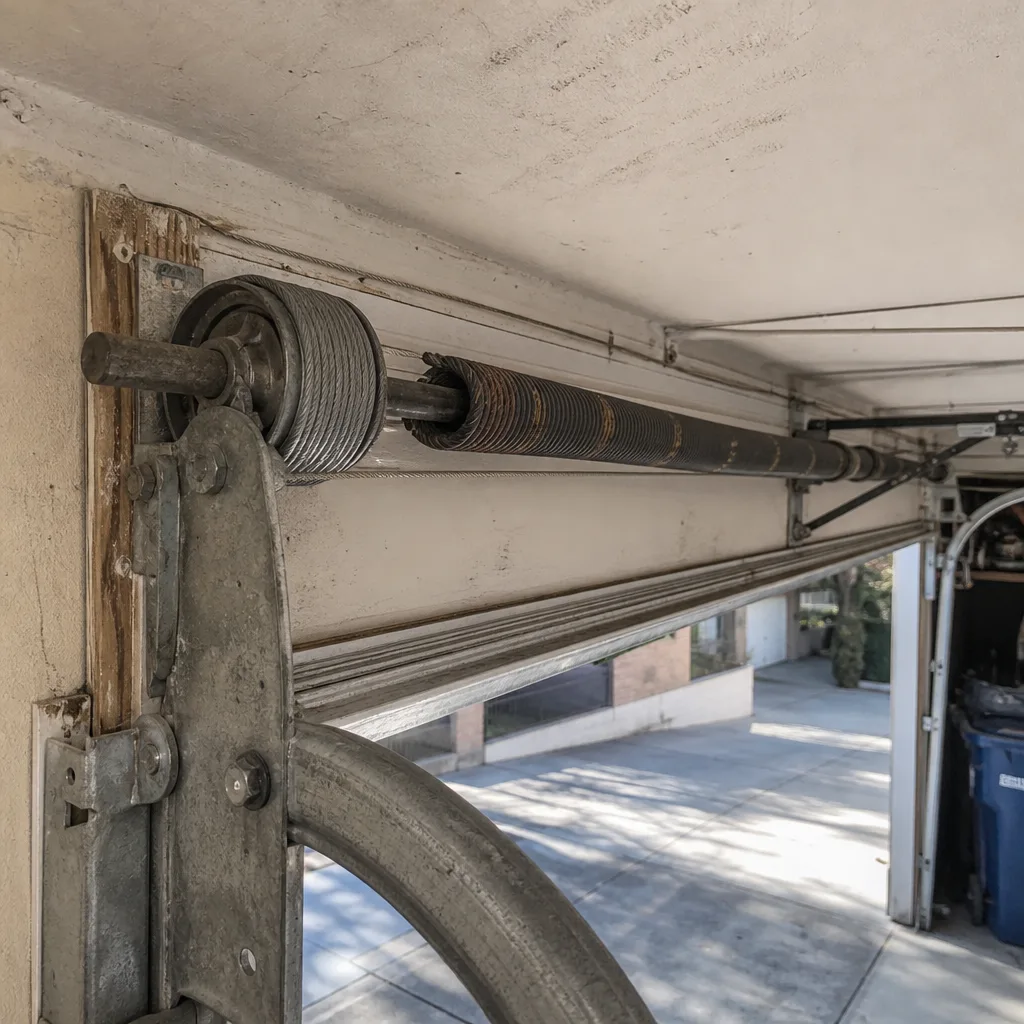 Before
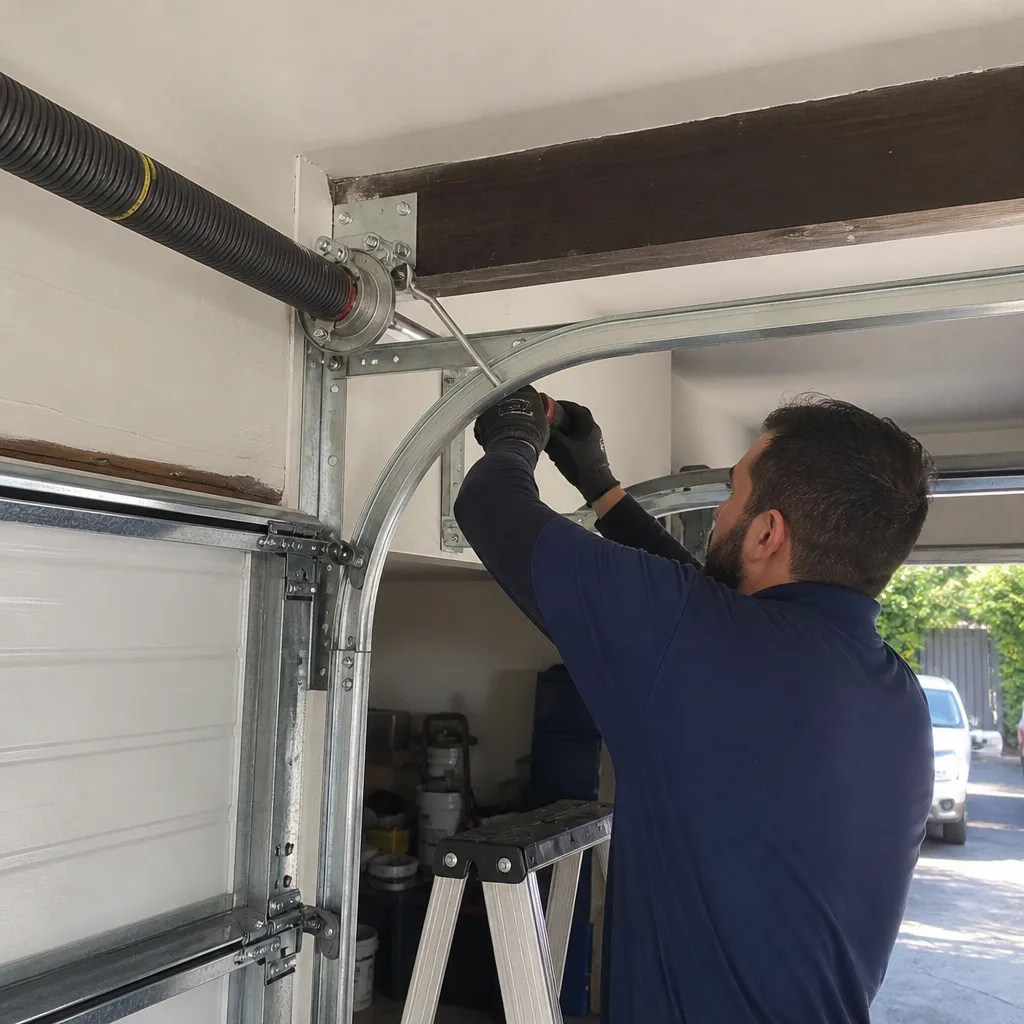 After
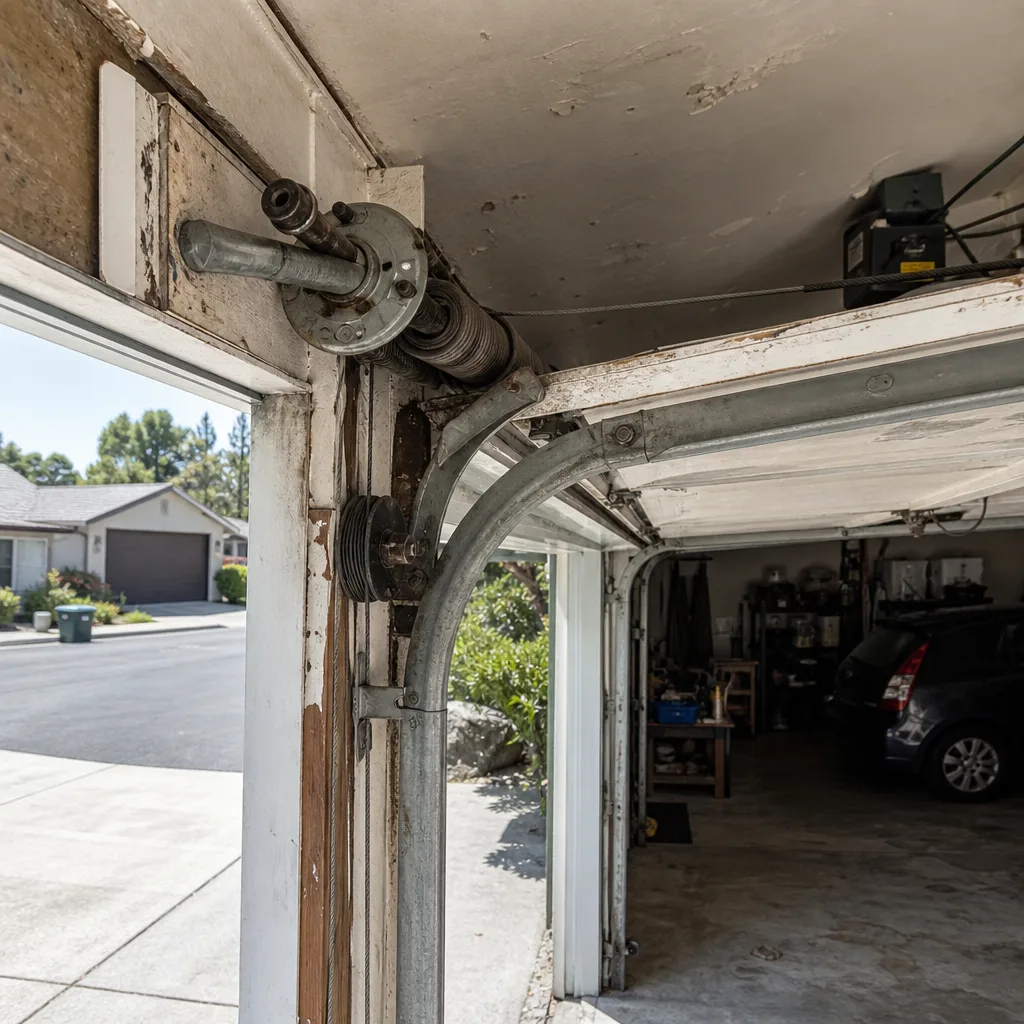 Before
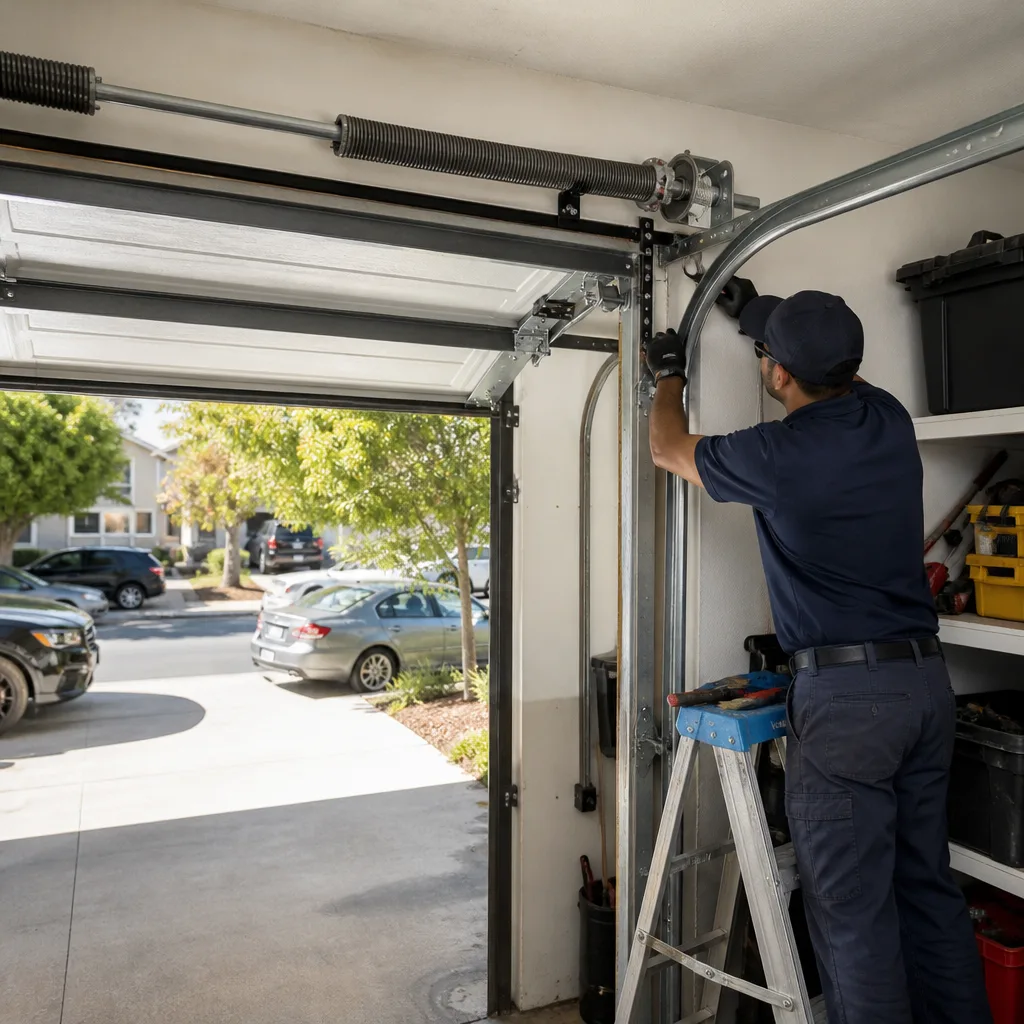 After
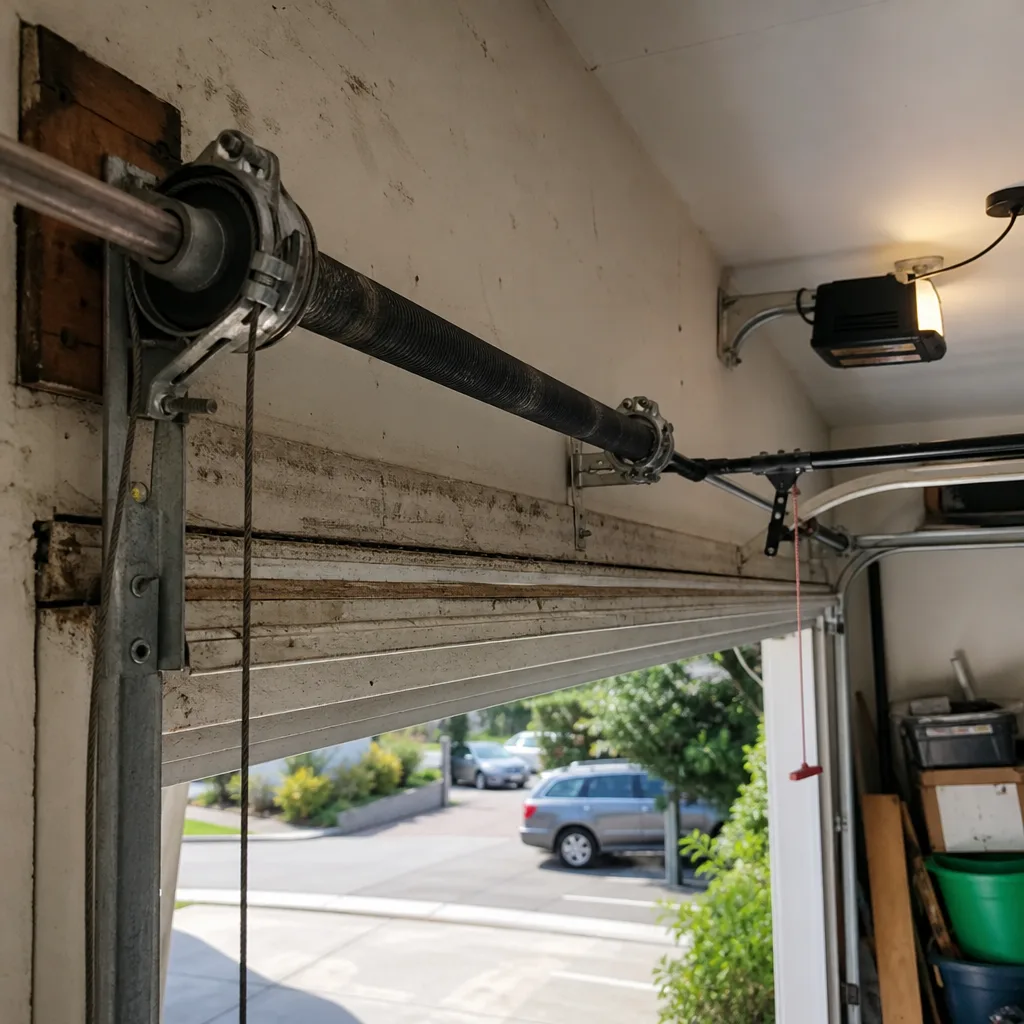 Before
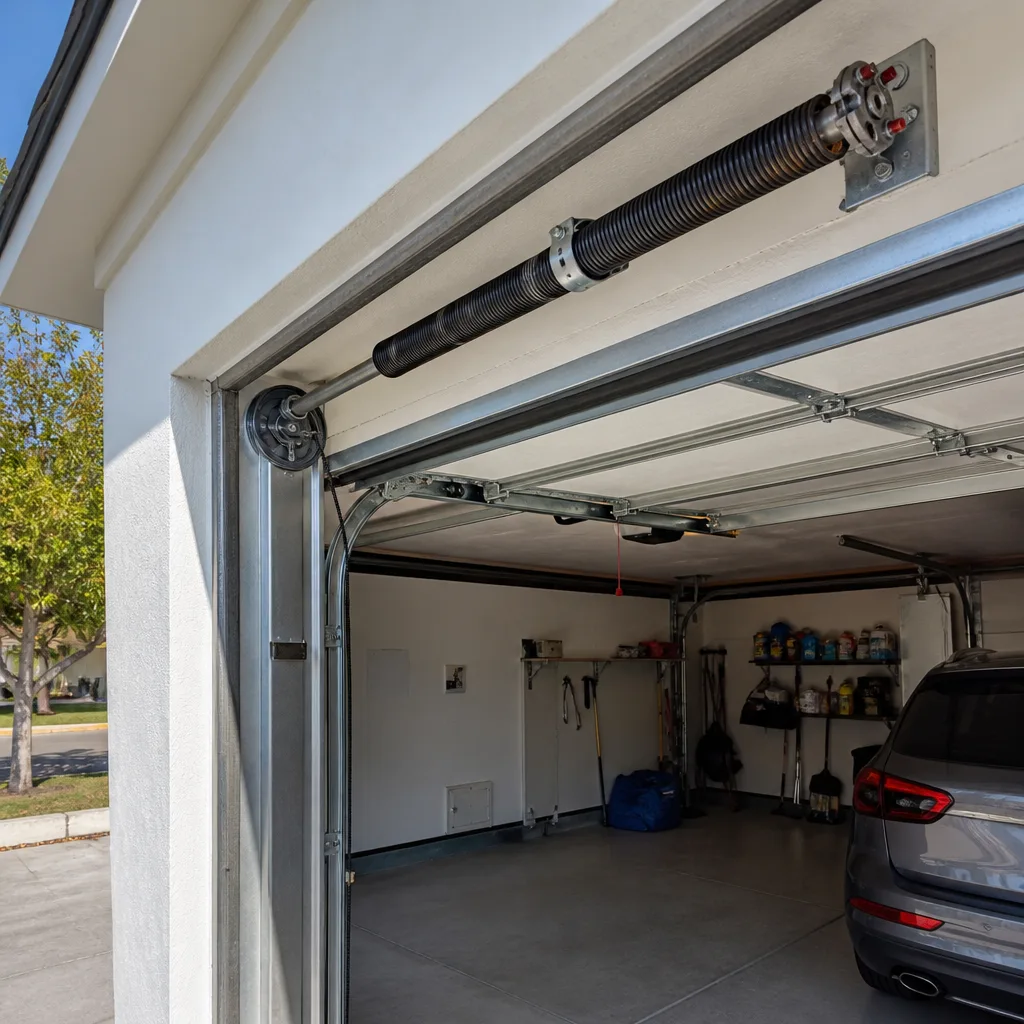 After