
Last updated October 31, 2026
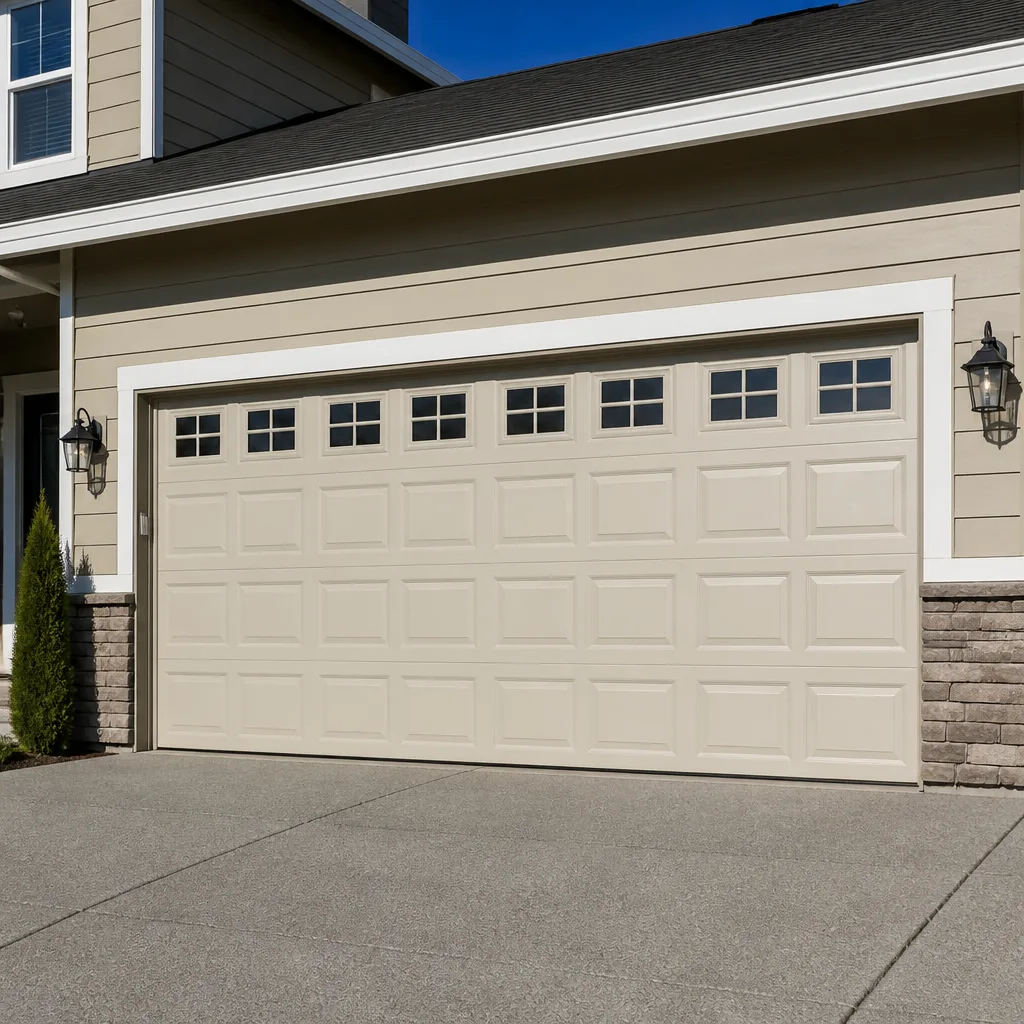 Raised-panel steel
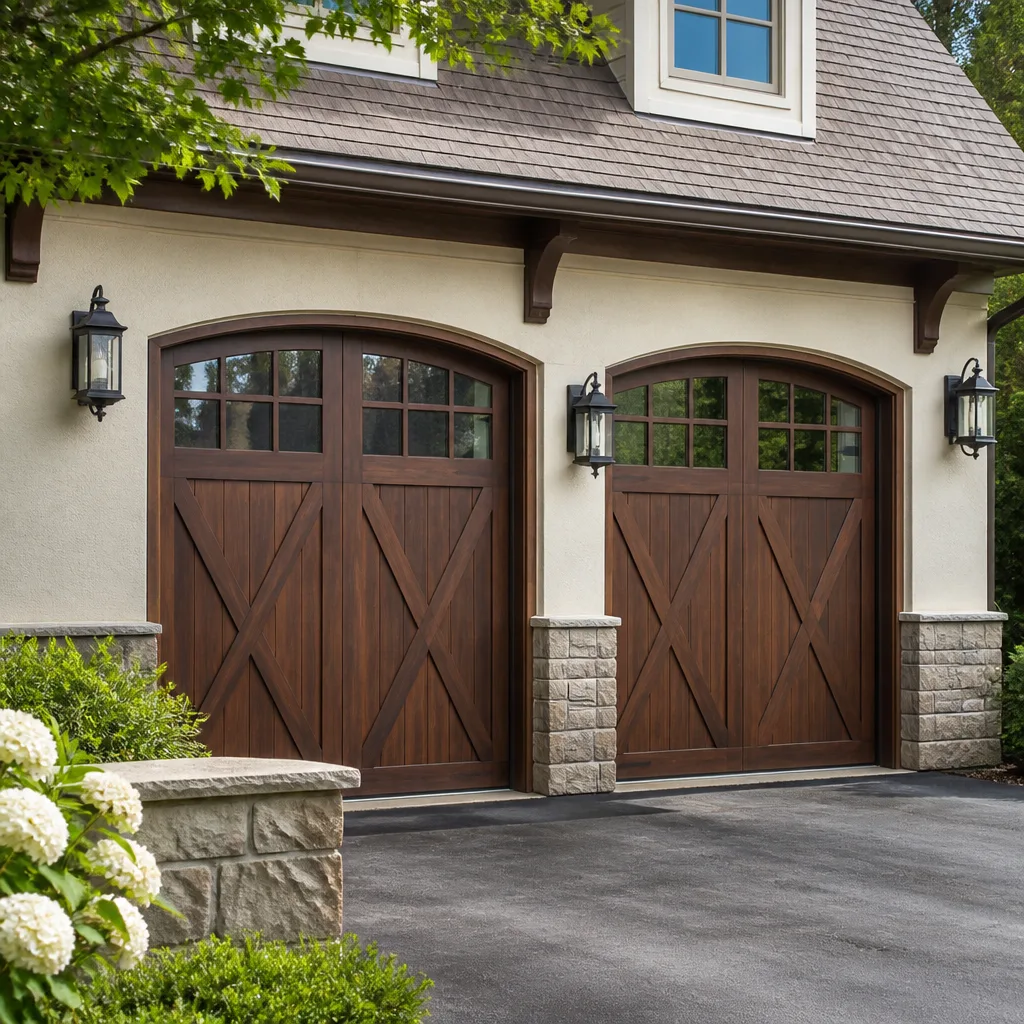 Carriage house
 Modern flush
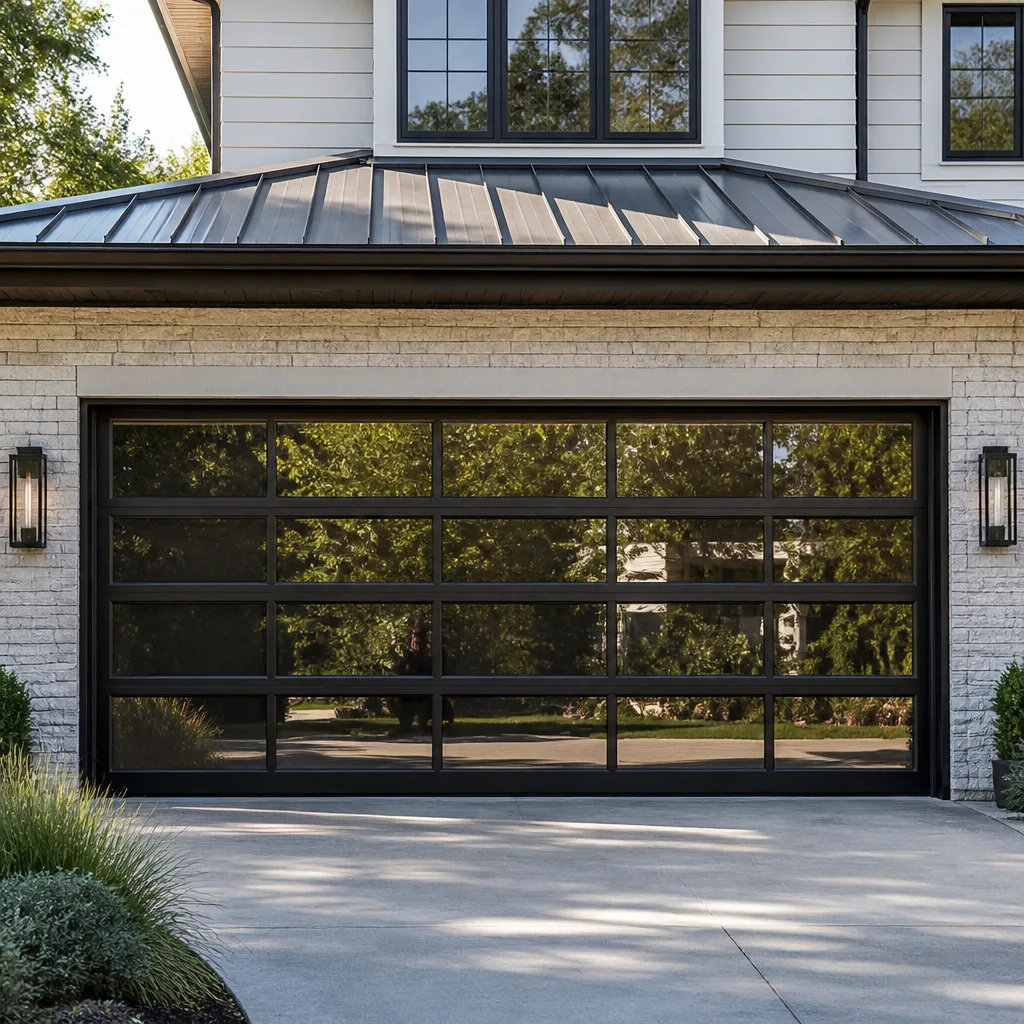 Full-view glass
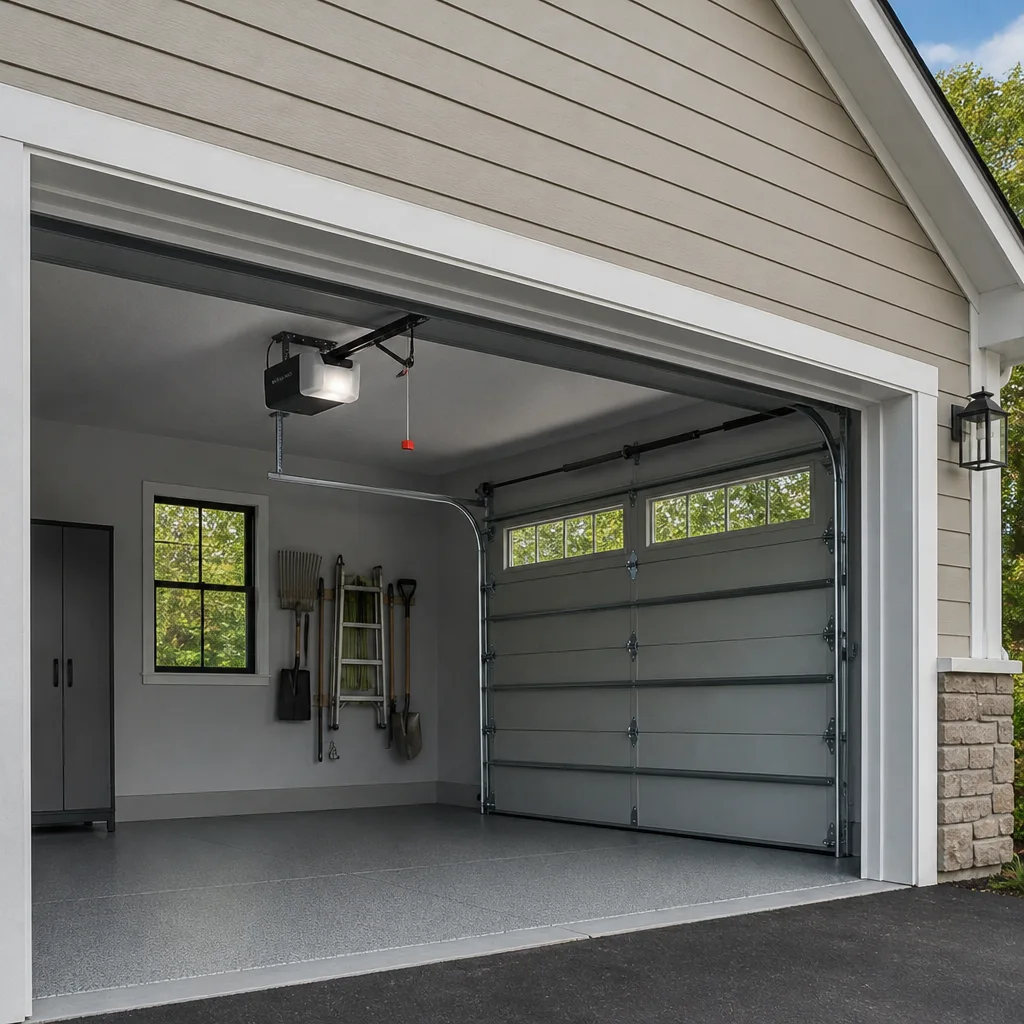 LiftMaster openers
 Chamberlain openers
Full 25-point door and opener safety check with every visit - springs, cables, rollers, tracks, and your LiftMaster or Chamberlain opener included
You get a price before we start. It does not change when the truck arrives.
Get your free estimateGarage Door Emergency Preparedness Guide for West Hollywood Homes
Most West Hollywood homeowners can find their garage door opener’s manual release cord in under ten seconds during daylight, with the power on, when nothing is wrong. The same homeowner, standing in a dark garage at 2 a.m. during a power outage with a wildfire evacuation notice on their phone, often cannot find it at all. This guide closes that gap. You’ll learn how to operate your door manually, what to check before you need to, which backup systems actually work, and how to reset everything after an emergency in West Hollywood without damaging your system.
Quick Answer
Garage door emergency preparedness in West Hollywood means three things: knowing how to pull and operate your manual release cord in the dark, confirming whether your opener has a working battery backup, and inspecting your springs and cables before an emergency so the door is light enough to lift by hand when you need it. We recommend a Garage Door Repair Maintenance Checklist for West Hollywood Homeowners drill that covers all three, plus a written reminder taped inside the garage for anyone else in the household.
Styles & brands we work with
Table of Contents
- How to Use the Manual Release Cord Correctly
- Why Manual Operation Fails When It Shouldn’t
- Battery Backup Openers: What Actually Works in West Hollywood
- Earthquake Disconnects and Seismic Requirements
- The Wildfire Evacuation Scenario Most Drills Skip
- Post-Emergency Inspection: What to Check Before Restoring Power
- Building a 5-Minute Garage Door Preparedness Kit
How to Use the Manual Release Cord Correctly
The manual release is a red cord dangling from a track behind the opener motor. Pulling it disengages the opener carriage from the door, converting your automatic door into a manual one. In West Hollywood garages, this cord is often tangled around the opener rail or zip-tied out of reach, which is a problem you want to discover now, not during an evacuation.
Here is the correct sequence:
- Confirm the door is closed. Pulling the release while the door is open can send it crashing down, especially if springs are worn. If the door is open during a power outage, brace it or get help before pulling the cord.
- Find the red cord. It hangs from the trolley assembly on the opener rail, usually near the motor unit. If you can’t find it, shine a flashlight along the rail from motor to door.
- Pull down firmly, toward the door. The cord disengages with a click. You should hear the trolley separate from the carriage.
- Lift the door by its handle, not by the top edge or the panels. Lift with your legs. A properly balanced door should feel like roughly 8 to 10 pounds of effort.
- Raise it fully and secure it if you’re leaving. A door that’s only partially open can drift back down and strike a vehicle or person.
When power returns, you re-engage by pulling the cord again while the opener runs, or by lifting the door until the carriage clicks back into place. The opener’s next cycle locks everything together. If you hear grinding instead of a click, stop and call us: something in the carriage or rail has shifted.
Why Manual Operation Fails When It Shouldn’t
In our experience across the Garage Door Repair in West Hollywood calls we take, manual release failures come down to three things, in this order: broken springs, a tangled cord, and a door that was never balanced after installation.
Broken or weak springs are the most common culprit. Torsion springs hold the door’s weight. When one breaks, the door doesn’t just become heavy, it becomes dangerous. A standard 16-by-7-foot door weighs between 130 and 180 pounds. If your springs have lost tension or snapped, lifting the door manually can exceed what a healthy adult can safely manage, and if you let go, the door falls fast enough to pin a person or crush a hand. We recommend testing your manual door twice a year. If it takes serious effort, the springs need professional attention before any emergency forces you into that position.
A tangled release cord usually happens because the cord got caught in the rail during regular operation. Homeowners who pull it in an emergency find it stuck, so they yank harder, which can bend the release mechanism itself. If your cord resists a firm pull, don’t fight it.
An unbalanced door drifts. It might rise on its own, or slam if released. This is a spring or cable issue, and it means you should keep children and pets away from the door during any manual operation until it’s fixed. On older Wayne Dalton and Craftsman systems we commonly see in West Hollywood’s mid-century homes, spring fatigue is gradual until it’s sudden.
Battery Backup Openers: What Actually Works in West Hollywood
A battery backup opener runs your door on DC power when utility power fails. LiftMaster offers it on their DC belt-drive models as a built-in or add-on option, and Raynor includes it on select premium lines. The marketing claims are optimistic: most backup batteries deliver 20 to 40 full cycles on a fresh charge. Under real conditions, with a heavy wood door or an older unit, that number drops to 10 to 15 cycles, enough for three to five days of normal use but not unlimited operation.
What matters more is battery age. Lead-acid backup batteries degrade after two to three years, just like car batteries. We test units in West Hollywood homes where the backup battery has been dead for years, and the homeowner only discovers it when the power goes out. The fix is simple: if your opener is more than three years old and has a battery backup, replace the battery proactively. They run $40 to $80 for most LiftMaster and Chamberlain models, and installation takes about ten minutes.
If your opener doesn’t have a battery backup and you live in a West Hollywood neighborhood prone to rolling outages or you’re near a wildfire corridor, this is the single highest-impact upgrade you can make. We install battery backup openers regularly, and for most homes it’s a straightforward swap that keeps your existing rails and sensors. A note on scope: this isn’t a same-day emergency fix when the power is out, it’s a planned upgrade you make before the outage. Call us for a free quote at (866) 810-8325 and we’ll assess what your current opener can support.
Earthquake Disconnects and Seismic Requirements
West Hollywood sits in a high-seismic zone. The 1994 Northridge earthquake, centered just 20 miles away, shifted garage door tracks, snapped opener rails, and left whole blocks with doors stuck half-open. Since then, Garage Door Permits, Codes & Inspections in CA: What You Need to Know has moved toward requiring seismic disconnects on automatic garage doors in new construction, though many older West Hollywood homes predate the requirement.
A seismic disconnect is a mechanical device that automatically separates the opener from the door when the ground shakes. Unlike manual release cords, which require a person to pull them, seismic disconnects trigger on motion. The door drops to the closed position and can then be operated manually. The intent is simple: after a quake, you can still get your vehicles out even if the opener is destroyed or the rail has twisted.
If your home was built before the mid-1990s and has never had the door system upgraded, you probably don’t have a seismic disconnect. That’s a gap worth closing. The cost ranges from $150 to $400 depending on your opener type, and it’s a one-time retrofit. Our Garage Door Opener Repair in West Hollywood technicians check for seismic disconnects on every service call, because a missing one isn’t something most homeowners would ever think to look for.
Separate from the opener, check your track brackets. After a seismic event, L-brackets that hold the vertical tracks to the wall can pull loose. A track that’s off by even half an inch will make the door bind, and manual operation becomes nearly impossible. This is why post-quake inspection matters as much as pre-quake preparation.
The Wildfire Evacuation Scenario Most Drills Skip
The 2019 Saddleridge Fire evacuation in the northern LA basin sent thousands of residents out of their homes in minutes. During that evacuation, dozens of people reported being delayed at their own garage doors. They had power, but the openers failed, or the power had already been cut, and they’d never once pulled the manual release. They stood in the dark, yanking at a red cord they’d only just located, while the fire grew closer. That’s the scenario this guide exists to prevent.
Here’s the part most drills get wrong: under stress, fine motor skills degrade. The manual release cord requires a firm downward pull at a specific angle. Your hands shake. You’re moving fast. The cord slips through your fingers. A door that felt manageable during a calm afternoon test feels immovable when your heart rate is 140 and you’re trying to lift with adrenaline, not form. The solution is repetition. Practice the release and manual lift once every six months, at night, with the lights off, using only a flashlight. Make it part of your household’s emergency rhythm, like testing smoke detectors. If you can do it in the dark once, you’re significantly more likely to do it under evacuation pressure.
Also worth practicing: opening the door manually when your car is parked inside facing the wrong direction. Evacuations rarely happen on calm terms. If your vehicle is too close to the door, you won’t get the full lift angle. Know how much clearance you need.
Post-Emergency Inspection: What to Check Before Restoring Power
After a power outage, earthquake, or manual operation, don’t just hit the opener button and hope. Follow this sequence:
- Check the door visually. Look for dents, bent panels, or a door that sits unevenly in the tracks. An uneven door after an event usually means a shifted spring or broken cable.
- Check the tracks and brackets. L-brackets should be tight against the wall. Use a wrench to test for movement. If the track flexes when you press on it, the bolts have loosened.
- Check the springs. With the door closed, look at the torsion springs above the door. A broken spring has a visible gap in the coil. If you see one, do not operate the door, manually or automatically. Call us.
- Test manual operation. With the door still disengaged, lift and lower it by hand. If it binds, stops, or feels heavier on one side, the door has shifted and needs adjustment before the opener runs again.
- Re-engage and test. Pull the release cord toward the motor to re-engage, or run the opener one cycle. If you hear grinding, pops, or the door jerks, stop and call.
We hear from West Hollywood homeowners who skip these checks and end up compounding a small problem into a full system replacement because the opener fought a misaligned door long enough to strip gears or burn out a motor. Five minutes of inspection saves that.
Building a 5-Minute Garage Door Preparedness Kit
Here’s what to keep in one labeled spot in your garage, ideally next to the interior door:
- A working flashlight with fresh batteries, not your phone. A rechargeable flashlight that’s been sitting dead for six months is useless.
- A printed card with the manual release steps written out in plain English, step by step, for anyone who’s never pulled the cord. Laminate it and tape it to the wall near the opener motor.
- Work gloves. A door that’s been in a fire zone or an earthquake can have sharp edges, and cold steel pulls heat from your hands when you’re gripping hard.
- A wrench that fits your track bracket bolts. A 7/16-inch wrench covers most residential garage door hardware installed in West Hollywood homes.
- Our number: (866) 810-8325. Write it on that same card. If manual operation fails or the door is binding, you call someone who does this every day.
This kit takes five minutes to assemble and less than that to use. If you want help setting it up, or if during your test you discover the door is heavier than it should be, give us a call. We’re happy to walk you through it on the phone, or schedule a service call. See more guides & resources for additional help.
Common Mistakes to Avoid
- Pulling the release cord when the door is open. This causes the door to freefall. We’ve repaired doors in West Hollywood where this single mistake caused panel damage, track damage, and in one case a broken window on the car parked underneath.
- Testing the manual release once and never again. Memory degrades fast. If the last time you pulled that cord was three years ago, you’ll fumble when it matters. Practice semi-annually.
- Assuming your battery backup still works. Batteries die silently. Openers keep working on household power while the backup battery quietly degrades. Test it annually by unplugging the opener and running the door.
- Ignoring a heavy door during normal operation. If the door feels heavy, no emergency plan will help because the door won’t lift manually when you need it. A heavy door is a spring problem, and it gets worse.
- Spraying WD-40 on the springs. Springs don’t need lubrication from a spray. A light silicone on rollers and hinges is fine, but springs are under high tension and don’t benefit from product being sprayed on them. It just drips on your car.
- Disconnecting the opener and forgetting to re-engage it. If you leave the door manual and someone hits the wall button, the opener runs but the door doesn’t move. The carriage can travel down the rail and jam. Always re-engage after a drill.
See the difference
 Before
 After
 Before
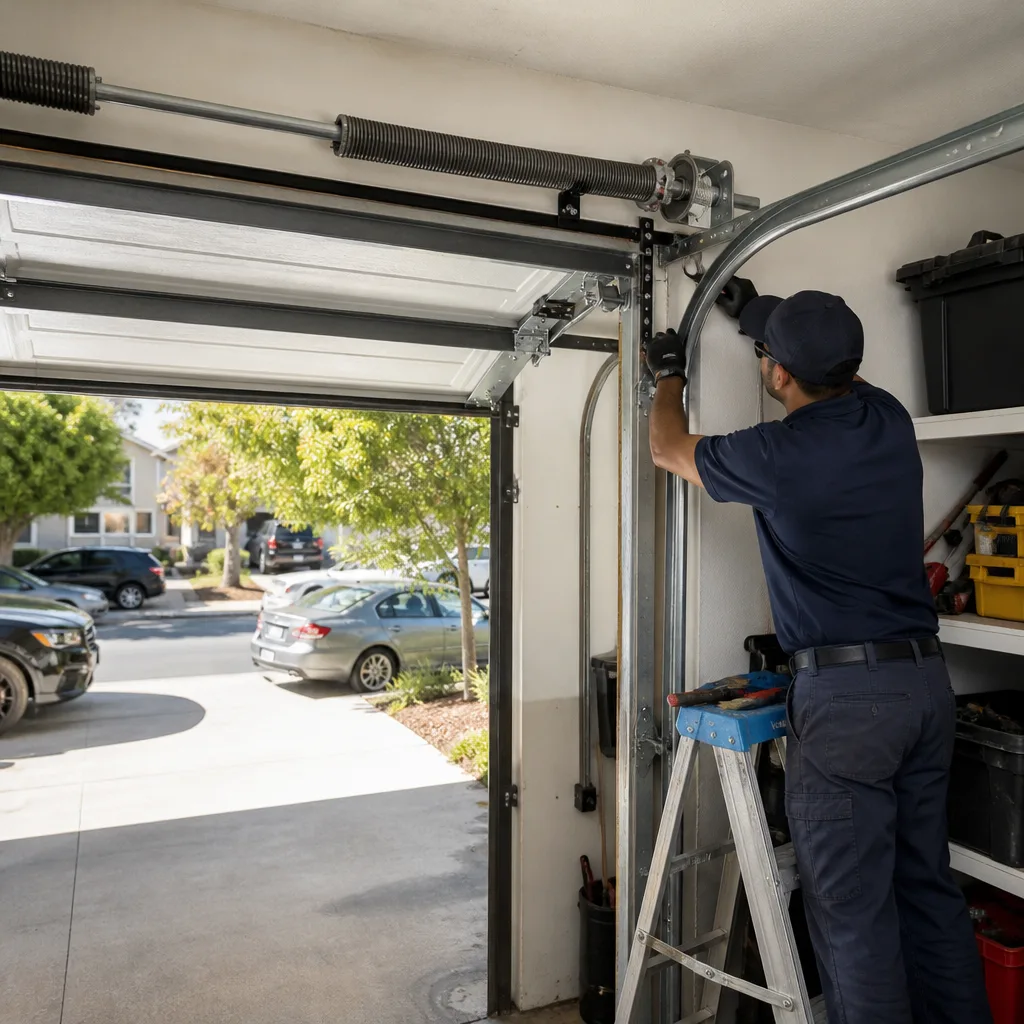 After
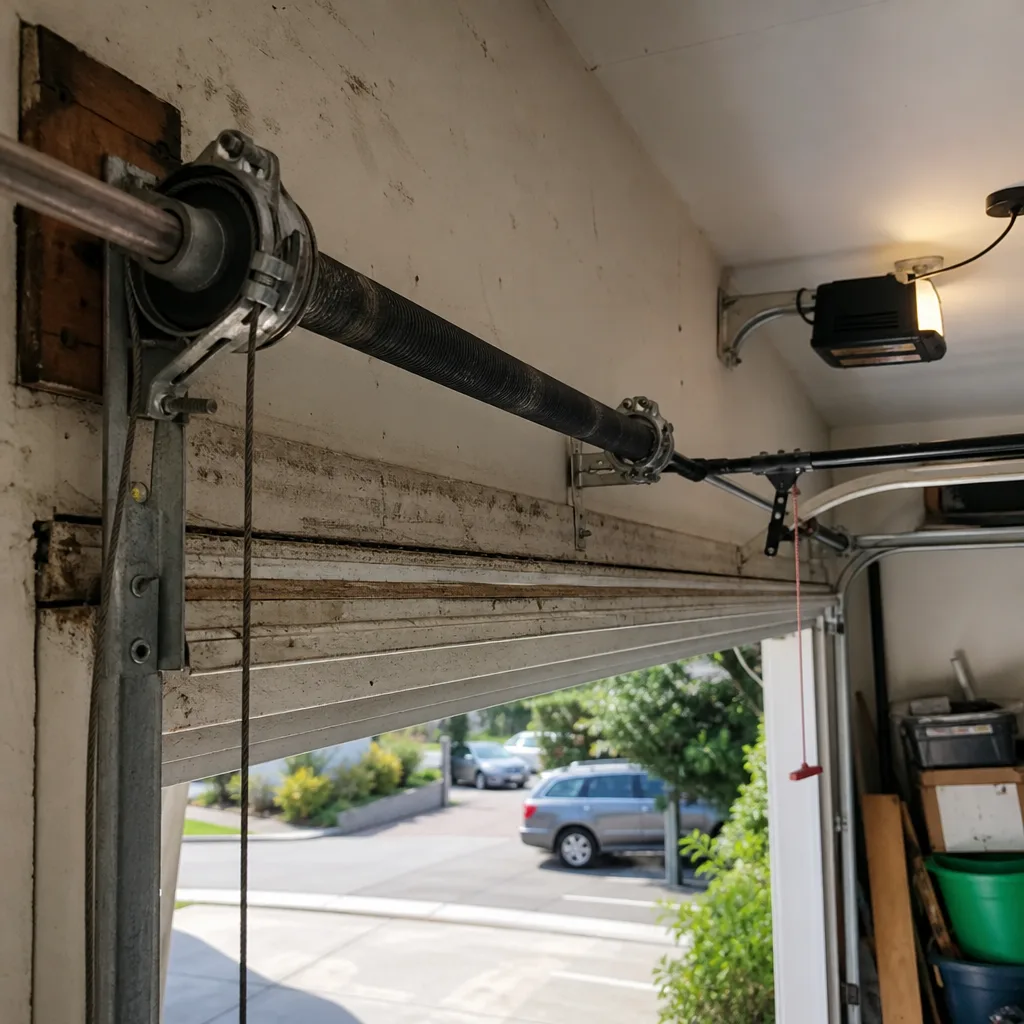 Before
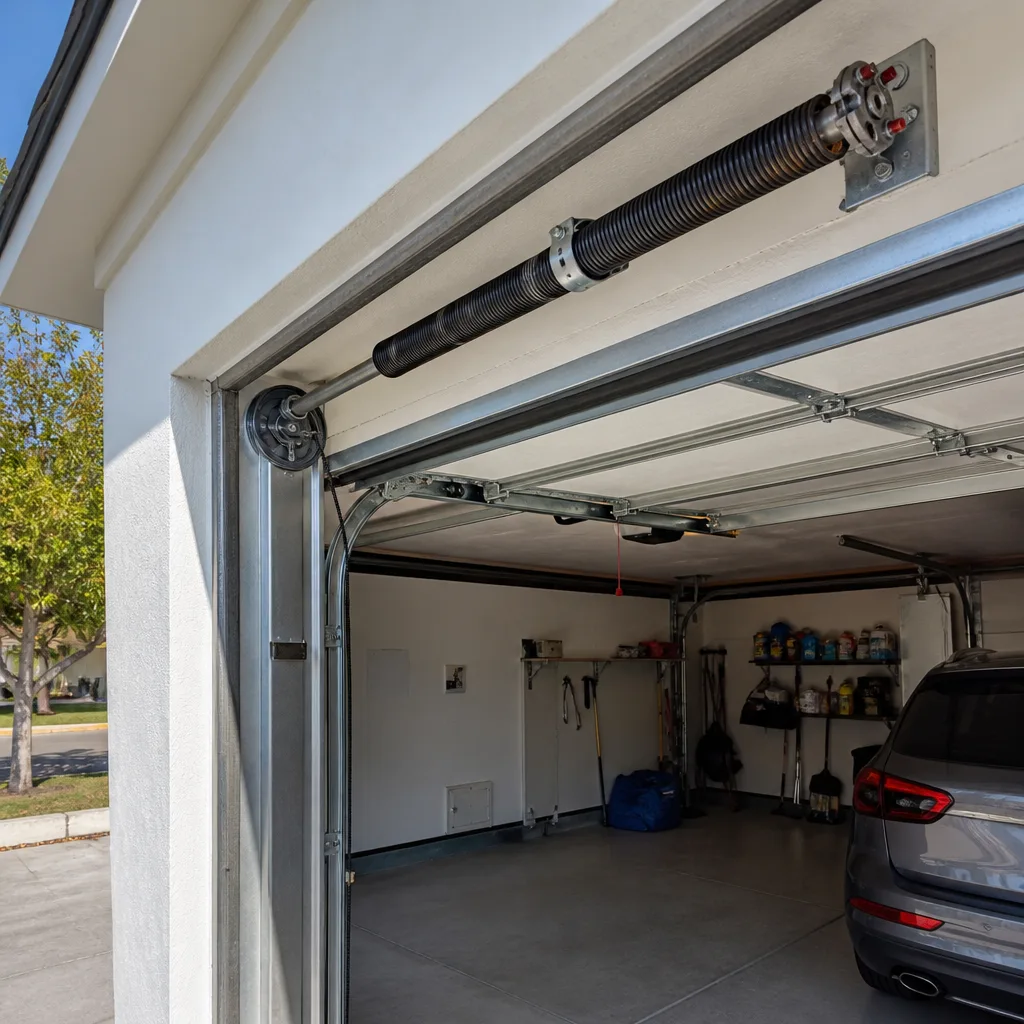 After
When to Call a Professional
If the door feels heavy during manual operation, if a spring is visibly broken, if the tracks are bent or loose, or if the opener grinds when re-engaging, stop. These are not drill-day fixes. Door springs carry enough tension to cause serious injury, and track adjustments require precision. Garage Door Installation in West Hollywood and repair work is what our team handles every week, across all major brands including LiftMaster, Amarr, and Clopay. Gold Star Garage Door Service home offers free estimates in West Hollywood, and our trucks carry parts for most residential systems, so a single visit often solves the problem. Call (866) 810-8325 and we’ll help you build a preparedness plan that’s actually tailored to your door, your opener, and your home’s risk profile.
Frequently Asked Questions
A battery backup garage door opener in West Hollywood typically runs $450 to $750 installed, depending on the drive type and whether your existing rails and sensors can be reused. Standalone backup battery replacements for existing openers cost $40 to $80. Call (866) 810-8325 for an exact quote before any work starts, the price is always agreed upfront.
Yes, seismic disconnects can be retrofitted on most openers manufactured after the late 1980s, which covers the majority of garage door systems we see in West Hollywood’s older homes. The retrofit costs between $150 and $400. We check for seismic disconnects on every service call and can add one during a regular tune-up.
Yes, it can. If the springs are healthy, the door will usually hold its position, but a door with worn springs will drop fast once the opener carriage releases. Always pull the release only when the door is fully closed, and if you must operate it while open, have someone brace the door or use support.
Twice a year is enough for most West Hollywood homes. Do it at night, with only a flashlight, to simulate emergency conditions. If the door takes more than moderate effort to lift, schedule a spring inspection before your next drill.
It’s a red handle attached to a cord that hangs from the opener trolley, typically about a foot below the rail. If yours is missing, tangled, or tied up, that’s a problem to fix immediately. We replace release cords as part of standard opener service calls.
We work on what you already have. Our techs are trained on LiftMaster, Chamberlain, Genie, Clopay, Amarr, Wayne Dalton, Craftsman, and Raynor systems, so we arrive prepared for almost any door or opener in West Hollywood without pressuring you to switch brands. Call (866) 810-8325 and tell us what you have, we’ll take it from there.
The Bottom Line
Garage door emergencies in West Hollywood are not hypothetical. Power outages, earthquakes, and wildfire evacuations are recurring realities of living in this region, and a garage door that fails during any of them can trap your vehicles when you need them most. The solution is unglamorous but effective: locate your manual release, test it twice a year in the dark, check your battery backup, and get your springs inspected before they fail. Four minutes of preparation now replaces twenty minutes of panic later. If during your drill anything feels off, call Gold Star Garage Door Service at (866) 810-8325. We’ll help you get it right.
Written by the team at Gold Star Garage Door Service, serving West Hollywood since 2018.